
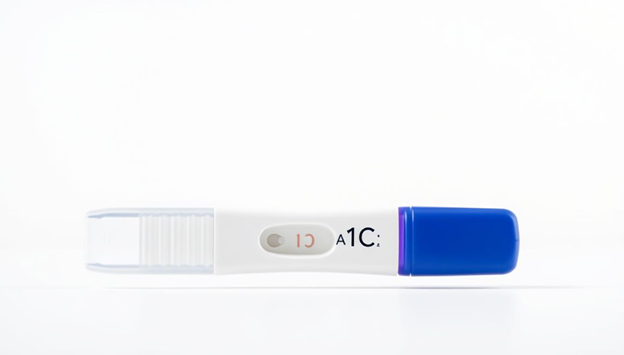
Your Guide to Normal A1C Levels: Chart & Lowering Tips
Understanding your blood sugar health is crucial for overall wellness. The a1c test provides valuable insight into your average glucose level over several months.
This powerful diagnostic tool measures how much sugar attaches to hemoglobin in your red cells . Your results appear as a percentage that reflects your long-term blood sugar control.
Whether you're managing diabetes , have prediabetes , or simply monitoring your health , this guide offers practical strategies. You'll learn about healthy range s and effective ways to maintain optimal levels.
We'll explore dietary adjustments, exercise plans, and when medications might help. Working with your healthcare provider creates the best approach for your unique situation.
Key Takeaways
- The A1C test measures your average blood sugar over 2-3 months
- Results are shown as a percentage reflecting glucose attachment to hemoglobin
- Maintaining healthy levels significantly reduces diabetes complications
- This guide covers both clinical and at-home testing options
- Personalized strategies include diet, exercise, and medication approaches
- Working with healthcare providers ensures the best individual plan
- Understanding your numbers helps you take control of your health
What Is an A1C Test and What Does It Measure?
Your blood sugar tells a story over time. This test measures that story in a single number.
Think of it like a three-month health journal. Instead of daily snapshots, you get the full picture.
Understanding Hemoglobin and Glucose Binding
Your red blood cells contain hemoglobin. This protein carries oxygen through your body.
When glucose circulates in your blood, it attaches to this protein. This process is called glycation.
The a1c test calculates what percentage of your hemoglobin has sugar attached. Higher percentages mean more sugar in your system.
The 2-3 Month Average: Why the Timeline Matters
Red blood cells live about three months . This lifespan makes the test perfect for showing long-term patterns.
Daily blood glucose checks are like individual game scores. Your a1c result is like a player's season average.
This perspective helps identify trends. It shows how your body manages sugar over time, not just in moments.
You don't need to fast for this blood test. It provides consistent data regardless of when you last ate.
Doctors use this percentage for diagnosis and ongoing treatment plans. It helps monitor diabetes and prediabetes effectively.
Why Monitoring Your A1C Is Crucial for Your Health
Your A1C numbers provide essential information about your body's sugar management. This simple blood test reveals patterns that single glucose checks might miss.
Regular monitoring helps you stay ahead of potential health issues. It's like having a roadmap for your wellness journey.
A1C as a Diagnostic Tool for Diabetes and Prediabetes
Healthcare providers rely on this test as the gold standard for diagnosis . The results give a clear picture of your average blood sugar over several months.
Here's what the percentages mean:
- Below 5.7%: Healthy range with no diabetes
- 7% to 6.4%: Prediabetes range
- 5% or higher: Indicates diabetes
Early detection through this test is incredibly valuable. It allows for timely intervention before conditions progress.
The American Diabetes Association emphasizes the importance of these screenings. Catching changes early gives you more options for treatment.
The Link Between High A1C and Long-Term Complications
Sustained high blood sugar gradually damages your body's systems. Think of it like slow erosion that weakens structures over time.
Microvascular complications affect small blood vessels throughout your body. These include vision problems, kidney issues, and nerve damage.
Macrovascular complications involve larger blood vessels and major organs. Heart disease and stroke risks increase significantly with elevated a1c.
Studies consistently show that maintaining your a1c below 7% dramatically reduces complication risk . Your genetics and how long you've had diabetes also influence these outcomes.
Regular a1c testing provides crucial feedback about your management plan. It shows what's working and where adjustments might help.
This ongoing monitoring helps prevent serious health issues before they develop. It's your best defense against long-term complications.
How an A1C Test Is Performed
Getting your blood sugar checked is simpler than you might think. Two main methods give you accurate results without much fuss.
You won't need to fast or change your routine beforehand. The process is quick and causes little discomfort.
Your healthcare provider chooses the best method for your situation. Both options provide reliable data about your health.
The Venous Blood Draw Procedure
A trained phlebotomist performs this standard test. They start by finding a suitable vein in your inner arm near the elbow.
The area gets cleaned with an antiseptic to prevent infection. This ensures proper hygiene before needle insertion.
A small needle collects blood into special test tubes. The sample goes to a lab for detailed analysis.
This method measures hemoglobin with attached sugar . It shows your average glucose over several months.
The Finger Prick Method
This alternative approach uses a simple finger stick. It's perfect when you need quick results without a full draw.
The process begins by selecting a finger for testing. It gets cleaned with alcohol to ensure purity.
A small lancet creates a tiny prick on your fingertip. You gently squeeze to form a small blood drop.
This drop gets collected for immediate analysis. The method works well for regular monitoring.
Remember that no special preparation is needed for either method. You can eat and drink normally before your test.
Other tests scheduled at the same time might have different requirements. Always check with your provider about specific instructions.
Both procedures are generally quick and safe. They carry minimal risk and provide valuable information about your health status.
Interpreting Your Results: The A1C Chart and Ranges
Decoding your numbers opens a window into your long-term health patterns. Your percentage tells a comprehensive story about how your body manages sugar over time.
This information empowers you to make informed decisions about your wellness journey. Understanding what these figures mean helps you work effectively with your healthcare team.
Normal, Prediabetes, and Diabetes A1C Levels
Healthcare professionals use specific ranges to categorize your results. These classifications help determine appropriate next steps for your care.
Below 5.7% falls within the healthy spectrum. This indicates your body maintains excellent sugar control.
Between 5.7% and 6.4% suggests prediabetes. This means your sugar levels are higher than ideal but not yet at diabetes thresholds.
6.5% or higher typically indicates diabetes. This requires comprehensive management and regular monitoring.
Higher percentages within the prediabetes range signal increased diabetes risk. Early intervention becomes especially important in these cases.
These ranges serve as general guidelines rather than absolute rules. Individual circumstances may influence your personal targets.
Understanding Estimated Average Glucose (eAG)
Estimated Average Glucose translates your percentage into familiar units. This conversion helps bridge the gap between different measurement systems.
eAG expresses your average sugar in mg/dL or mmol/L. These are the same units used with daily glucose meters.
For example, a 7% result equals approximately 154 mg/dL (8.6 mmol/L). A 9% reading corresponds to about 212 mg/dL (11.8 mmol/L).
This translation proves particularly helpful if you regularly check your sugar at home. It creates consistency between your different test results.
Both measurements represent your average sugar over two to three months. They simply present the information in different formats.
Many laboratories now report both values on your results. This dual presentation helps you understand your numbers from multiple perspectives.
Remember that these are estimates rather than exact conversions. Your healthcare provider can explain how both numbers relate to your personal health plan.
Normal A1C Levels: Chart and How to Lower A1C
Your ideal blood sugar targets depend on your unique situation. What's healthy for one person might be different for another.
This personalized approach ensures your goals match your current health status. Your doctor helps create a plan that works for your lifestyle.
Defining ""Normal"" for People With and Without Diabetes
For people without diabetes , below 5.7% represents excellent blood sugar control. This range indicates your body manages glucose effectively.
If you have diabetes , your target becomes more individualized. Your ideal percentage depends on many personal factors.
The American Diabetes Association suggests most adults aim for under 7%. This level significantly reduces risk of long-term complications.
Pregnant women with type 1 diabetes need tighter control. Their target is typically 6.5% or lower for baby's health.
Personalized A1C Target Goals with Your Doctor
Your healthcare team considers your age, overall health , and diabetes history. They also evaluate your access to medications and monitoring tools.
Some situations justify slightly higher targets. These include limited life expectancy or frequent low blood sugar episodes.
Advanced complications or hypoglycemia unawareness might also adjust your goals. Safety becomes the priority in these conditions.
Your targets will evolve throughout your life. Regular discussions with your doctor ensure your plan stays current.
Collaborative goal-setting creates the most effective approach. Together, you build a strategy that fits your needs and capabilities.
Factors That Can Affect Your A1C Test Accuracy
Your blood sugar readings should reflect your true health status. Several factors can influence how your a1c test measures your average glucose.
Understanding these variables helps you interpret your results more accurately. It ensures your treatment plan remains effective for your needs.
Hemoglobin Variants and Genetic Influences
Different forms of hemoglobin can change how your test performs. These variants include types C, D, E, and S.
These genetic differences appear more often in specific ethnic groups. They don't increase your diabetes risk but can affect measurement accuracy.
Laboratories use various methods to analyze blood with these variants. Some techniques work better than others for different hemoglobin types.
Your healthcare provider can recommend the best testing approach. They consider your background and personal health history.
Medical Conditions and Medications That Skew Results
Several health conditions can produce misleading a1c numbers. Recent blood loss or pregnancy might give falsely low readings.
Liver issues like cirrhosis also affect your results . Sickle cell anemia presents another challenge for accurate measurement.
Some situations create artificially high percentage values. Iron -deficiency anemia is a common cause of elevated readings.
Certain medications influence your test outcomes too. Immunosuppressants and protease inhibitors often affect results.
Organ transplantation and vitamin deficiencies change your numbers. Even collection or processing errors can impact accuracy.
Always discuss these potential factors with your doctor. They help ensure your diagnosis and treatment rely on reliable information.
Dietary Strategies for Lowering Your A1C
What you eat plays a starring role in your long-term wellness journey. Smart food choices directly influence your blood sugar patterns and overall health outcomes.
Creating a sustainable eating plan makes managing your numbers feel natural. These practical approaches help you take control without feeling restricted.
Mastering Carbohydrate Counting and Portion Sizes
Carbohydrates have the biggest impact on your glucose levels. Learning to count them empowers you to make informed choices.
This method involves tracking the amount of carbs in your meals and snacks. Many people find mobile apps or simple notebooks helpful for this purpose.
Accurate counting supports proper medications and insulin dosing when needed. It creates consistency between your food intake and treatment plan.
Portion control works hand-in-hand with carb counting. Using smaller plates at home naturally limits serving sizes.
When dining out, consider sharing entrees or boxing half immediately. These simple strategies prevent overeating while still enjoying restaurant meals.
Implementing the Diabetes Plate Method
This visual guide takes the guesswork out of building balanced meals. Imagine your plate divided into three simple sections.
Fill half with non-starchy vegetables like broccoli, cauliflower, and leafy greens. These provide nutrients and fiber without spiking your sugar.
Allocate one quarter for lean protein sources. Excellent options include fish, chicken, eggs, and tofu.
The remaining quarter holds carbohydrate foods. Choose whole grains, fruits, or starchy vegetables for sustained energy.
This method automatically creates proportionally balanced meals. It works for various cuisines and personal preferences.
Foods to Embrace and Sugary Drinks to Avoid
Building your diet around nutrient-dense foods supports stable blood sugar. These choices provide lasting energy and essential vitamins.
Embrace vegetables, lean proteins, and whole grains. They offer steady fuel without dramatic glucose spikes.
Sugary drinks present particular challenges for diabetes management. Sodas, sweet teas, and fruit juices deliver concentrated sugar without nutrition.
These beverages can rapidly elevate your blood sugar levels. Their empty calories offer no beneficial nutrients for your body.
Choosing water, unsweetened tea, or sparkling water satisfies thirst without affecting your numbers. Small changes here make significant differences over time.
Remember that occasional treats can fit into a balanced approach. The overall pattern of your choices matters most for long-term success.
The Powerful Role of Exercise in A1C Management
Movement transforms how your body manages sugar over time. Regular physical activity creates positive changes that show up in your blood test results.
When you exercise, your muscles become more sensitive to insulin . This helps your body use this hormone more effectively to process glucose.
Physical activity also burns sugar directly for energy. This natural process helps maintain healthier levels throughout your system.
Creating a Safe and Effective Exercise Plan
Most people benefit from at least 30 minutes of activity on five days each week. This consistent approach delivers the best results for blood sugar control.
Always consult your healthcare provider before starting new routines. They consider your unique health conditions and current fitness level.
Both vigorous workouts and lighter activities provide benefits. Walking, gardening, and household chores all contribute to better numbers.
Aerobic exercise and strength training affect your sugar differently. Combining both types creates the most balanced approach.
Staying hydrated during activity prevents blood sugar elevation. Keep water handy during all your exercise sessions.
Timing Your Workouts with Meals and Medication
Coordinate your activity schedule with meals and medications . This careful timing helps prevent dangerous blood sugar drops.
Check your glucose before, during, and after exercise. This monitoring ensures you stay within a safe range.
Watch for signs of low blood sugar during activity. These include shaking, sweating, confusion, or sudden fatigue.
Different exercise intensities affect everyone uniquely. You'll learn how various activities influence your personal results over time.
Remember that consistency matters more than intensity. Regular movement creates lasting improvements in your health outcomes.
Medications and Supplements for Blood Sugar Control
Sometimes lifestyle changes need extra support for optimal results. Medical approaches can provide that additional help when necessary.
Your healthcare team considers many factors before recommending any treatment. They evaluate your current numbers and overall health status.
Working together creates the most effective strategy for your situation. This collaborative approach ensures your plan matches your needs.
Commonly Prescribed Diabetes Medications
Various medications address different aspects of sugar management. Some focus on fasting levels while others target after-meal spikes.
Medications like sitagliptin (Januvia) help control postprandial glucose. They work by affecting your body's natural insulin production.
Repaglinide (Prandin) is another option for meal-related sugar control. It stimulates insulin release when you eat carbohydrates.
Your medication needs might change over time. Improved diet and exercise habits could reduce your required dosage.
Regular blood tests help your doctor adjust your treatment plan. These checks ensure your medications remain effective and safe.
The Evidence on Supplements like Aloe Vera and Chromium
Some people explore natural supplements for additional support. Research shows mixed results for various products.
Aloe vera might lower fasting blood glucose in some studies. Other research suggests it could potentially reduce your a1c percentage.
Chromium supplements might help people with severe insulin resistance. This mineral plays a role in how your body uses sugar.
Study results have been inconsistent for most supplements. The American Diabetes Association emphasizes insufficient evidence supports their use.
Always discuss any supplements with your healthcare provider first. They help you avoid potential interactions with other treatments.
Your safety remains the top priority in any management approach. Professional guidance ensures you make informed decisions about your health.
How Often Should You Get an A1C Test?
Regular check-ups help you stay ahead of potential health changes. Your testing schedule depends on your current status and personal risk factors.
Working with your doctor creates the best timeline for your needs. This partnership ensures you get the right amount of monitoring.
Testing Frequency for Diagnosis and Prediabetes
The CDC suggests testing for everyone over 45, even without symptoms. This proactive approach helps catch changes early.
Younger people should consider screening if they're overweight or have risk factors. The American Diabetes Association recommends starting by age 35 for these groups.
If your initial results fall within the normal range , repeat the test every three years. This schedule works well when you have risk factors but good numbers.
For those with prediabetes , testing every 1-2 years helps track progress. More frequent checks might be needed if your numbers border the diabetes threshold.
Confirmatory testing is crucial when initial results indicate issues without symptoms. A second test ensures accurate diagnosis before starting any treatment.
Ongoing Testing Schedules for Diabetes Management
If you have diabetes , your testing frequency depends on your control level. Most people benefit from 2-4 tests yearly.
Those with well-managed blood sugar might test twice annually. More frequent monitoring helps if you're adjusting your plan or medications.
Type 1 diabetes often requires quarterly checks. This frequent schedule helps manage insulin needs and prevent complications.
Type 2 management might allow for less frequent testing when stable. Your doctor will determine the best schedule based on your individual conditions.
Testing frequency often increases with medication changes or new treatment approaches. More data helps your healthcare team make informed adjustments.
Remember that personalized schedules work best for long-term success. Your doctor will create a testing calendar that matches your unique health journey.
Understanding At-Home A1C Testing Kits
Modern healthcare brings diagnostic tools directly to your fingertips. Home testing kits offer new convenience for monitoring your wellness journey.
These innovative products let you check your numbers without clinic visits. They're particularly valuable for those with limited healthcare access.
Weighing the Pros and Cons of Home Testing
Home kits gained significant popularity during recent global health challenges. They provide privacy and immediate access to important health information.
People in rural communities benefit greatly from these options. Those with mobility issues also appreciate the convenience.
Research indicates some variability in accuracy compared to laboratory methods. Different brands may produce slightly different results.
Two main formats dominate the market:
- Rapid tests deliver results within minutes at home
- Mail-in kits require sending samples to professional labs
Consider your personal needs when choosing between these options. Rapid tests offer immediate feedback while mail-in versions may provide greater accuracy.
A Step-by-Step Guide to Using a Home Test Kit
Proper technique ensures reliable results from your home testing experience. Follow these steps carefully for best outcomes.
Begin with thorough hand washing using warm water and soap. This prepares your skin and improves blood flow to your fingers.
Select an appropriate finger for your sample collection. The middle or ring finger often works best for this purpose.
Clean your chosen finger with the provided alcohol wipe. Allow it to dry completely before proceeding.
Use the lancet to create a small prick on your fingertip. Gently massage your finger to form a good-sized blood drop.
Collect the sample using the provided device. Different kits have various collection methods.
For rapid tests, mix your sample with the testing solution. Wait the specified amount of time before reading your results.
Mail-in kits require proper packaging and timely shipment. Follow all instructions for sample preservation and mailing.
Always read and follow your specific kit's directions precisely. Small variations in procedure can affect your final numbers.
Remember that home tests complement rather than replace professional care. Share your results with your healthcare provider for proper interpretation.
Conclusion: Taking Control of Your Health
Your journey with blood sugar management is a marathon, not a sprint. Small, consistent changes make a big difference over time.
Remember that your a1c test is just one piece of your health puzzle. It measures your average glucose over several months, but doesn't show daily patterns.
Work closely with your healthcare team to create a personalized plan . They help you set realistic goals based on your unique conditions and needs.
Celebrate every bit of progress, no matter how small. Your consistent efforts today build a healthier tomorrow.
You have the power to positively impact your wellness journey. Keep learning, stay committed, and trust your ability to make great choices for your health.
FAQ
What exactly does an A1C test measure?
This blood test measures your average blood sugar levels over the past 2-3 months. It does this by looking at the percentage of sugar-coated hemoglobin in your red blood cells.
How often should I get my A1C checked?
If you have prediabetes, your doctor might recommend testing every year. If you've been diagnosed with diabetes, you'll likely need this test every 3-6 months to monitor your management plan.
What's considered a normal A1C level?
For someone without diabetes, a normal result is usually below 5.7%. If you have diabetes, you and your doctor will set a personalized target, which is often below 7% but can vary based on your health.
Can other health conditions affect my A1C result?
Yes, conditions like anemia or recent blood loss can affect the accuracy of your results. Some genetic hemoglobin variants and certain medications can also influence your reading.
What are the best ways to lower my A1C?
Focus on a balanced diet rich in fiber, lean proteins, and healthy fats while limiting sugary drinks and refined carbs. Regular physical activity and taking prescribed medications consistently also play a huge role.
Are at-home A1C test kits reliable?
Many home test kits are convenient and can give you a good general idea of your levels. However, for official diagnosis or adjusting treatment, it's best to rely on lab tests ordered by your doctor.