
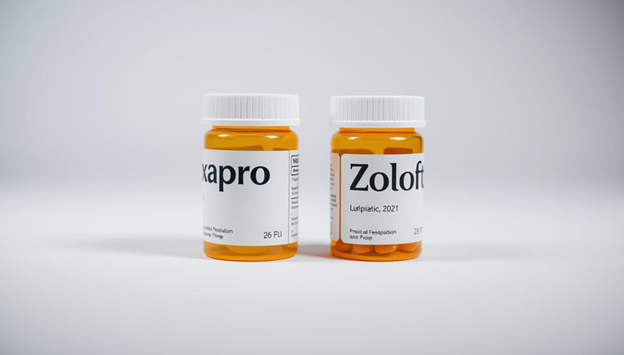
Lexapro vs Zoloft: Differences, Side Effects & Uses
If you're exploring treatment options for depression or anxiety, you've likely encountered two popular medications. Both belong to a class of drugs called SSRIs. They work by increasing serotonin levels in your brain to help improve mood and reduce anxiety symptoms.
While these medications share similarities, they have important distinctions in their uses and side effect profiles. Your specific condition---whether it's major depressive disorder, generalized anxiety, or another mental health challenge---plays a crucial role in determining which drug might be better for you.
This guide will help you understand these key differences based on FDA approvals and individual health factors. Remember, choosing the right treatment is a personal decision that requires professional medical advice.
Key Takeaways
- Both medications are SSRIs commonly prescribed for depression and anxiety disorders
- They work by increasing serotonin levels in the brain to improve mood
- Individual health conditions determine which medication might be more suitable
- These are long-term treatments that aren't interchangeable
- Consulting a healthcare provider is essential for personalized treatment
- Understanding these differences helps you have better discussions with your doctor
- Mental health treatment is highly individualized to your specific needs
Understanding Lexapro and Zoloft: Your Guide to Two Popular SSRIs
When considering medication options for mood-related challenges, it helps to understand how these treatments work in your body. Both belong to a category called selective serotonin reuptake inhibitors, which target specific brain chemistry.
What Are SSRIs and How Do They Help?
SSRIs, or selective serotonin reuptake inhibitors, are a class of medications designed to help balance brain chemistry. They work by increasing the availability of serotonin, a crucial neurotransmitter that influences your emotional well-being.
Serotonin acts as a chemical messenger in your brain. It helps regulate your mood, sleep patterns, memory function, and even how you perceive pain. When serotonin levels are low, it can contribute to various mental health challenges.
These medications prevent serotonin from being reabsorbed too quickly. This allows more serotonin to remain active in your brain, helping to improve mood and reduce anxiety symptoms over time.
Research suggests that one medication in this class has a unique allosteric mechanism. This means it may potentially enhance serotonin availability more effectively than some other options.
When Your Doctor Might Recommend These Medications
Healthcare providers often consider these treatments for conditions like major depressive disorder and generalized anxiety disorder. They might also recommend them for other challenges such as social anxiety or obsessive-compulsive patterns.
Your doctor will evaluate several factors before suggesting a treatment plan. They'll consider your specific symptoms, overall health history, age, and potential side effect profile. This personalized approach ensures the best possible match for your needs.
These are typically long-term treatments that require careful monitoring. Your doctor will usually start with a lower dose and gradually adjust it based on your response. Patience is important, as it often takes several weeks to notice significant improvements.
Remember that these decisions are highly individualized. What works well for one person might not be the best choice for another. Your healthcare provider will guide you through this process based on your unique situation.
Always follow your doctor's recommendations rather than self-prescribing. These medications require professional supervision for safe and effective use. Your mental health journey deserves the careful attention and expertise that only a medical professional can provide.
Conditions Treated: Where Lexapro and Zoloft Differ
Your specific health challenges play a huge role in determining which medication might work best for you. While both medications help with mood regulation, they have different official approvals and practical applications.
FDA-Approved Uses for Each Medication
One medication received FDA approval specifically for major depressive disorder and generalized anxiety disorder. This makes it a targeted choice for these particular conditions.
The other medication has broader official approvals. It's FDA-approved for:
- Major depressive disorder
- Obsessive-compulsive disorder
- Panic disorder
- Post-traumatic stress disorder
- Social anxiety disorder
- Premenstrual dysphoric disorder
This wider range of approvals means doctors often consider this option for various anxiety-related challenges.
Off-Label Applications You Should Know About
Sometimes doctors prescribe medications for conditions beyond their official approvals. This practice is called off-label use and is common in mental health treatment.
For one medication, doctors might prescribe it off-label for:
- Social anxiety disorder
- Obsessive-compulsive disorder
- Panic disorder
- Post-traumatic stress disorder
- Premenstrual dysphoric disorder
- Menopausal symptoms
The other medication might be used off-label for:
- Binge eating disorder
- Body dysmorphic disorder
- Bulimia nervosa
- Generalized anxiety disorder
- Premature ejaculation
Off-label prescribing happens when research shows a medication works for certain symptoms, even without formal FDA approval. Doctors rely on clinical evidence and real-world results.
Both medications help manage chronic conditions long-term. Their effectiveness varies from person to person. What works wonderfully for one individual might not work as well for another.
Conditions like premenstrual dysphoric disorder or menopausal symptoms might benefit from these treatments. This shows their value extends beyond traditional mental health issues.
Always discuss both FDA-approved and off-label options with your doctor. Understanding these differences helps you ask better questions during medical consultations. Your treatment should match your specific symptoms and health needs.
How Lexapro and Zoloft Work in Your Brain
Your brain's serotonin system plays a crucial role in how these medications help manage symptoms of depression and anxiety. Understanding this brain chemistry can give you valuable insights into why different treatments might work better for different people.
The Science Behind Serotonin Reuptake Inhibition
These medications belong to a class called selective serotonin reuptake inhibitors. They work by blocking the reabsorption of serotonin in your brain.
Serotonin is a key chemical messenger that influences your mood, sleep, and emotional well-being. When it's not reabsorbed too quickly, more remains available to help regulate your emotions.
This process creates higher serotonin levels in the spaces between your brain cells. The increased availability helps improve mood and reduce anxiety symptoms over time.
One Medication's Unique Allosteric Mechanism
One of these treatments has a special approach beyond basic reuptake inhibition. It works as an allosteric inhibitor, which means it can modify how serotonin transporters function.
This unique mechanism may lead to even higher serotonin levels compared to standard options. It also affects how your liver processes serotonin through stronger inhibition of the CYP2D6 enzyme.
The result is more sustained serotonin action in your brain. This could mean better effectiveness for some people dealing with depression or anxiety.
Why These Differences Matter for Your Treatment
The distinct mechanisms can influence which treatment your doctor recommends. The allosteric approach might work better for certain symptoms or conditions.
However, the stronger effect might also lead to more side effects for some individuals. This is why dosage adjustments are common with both medications.
Doctors typically start with lower doses and gradually increase them. This helps achieve optimal serotonin levels without causing adverse reactions.
Your personal brain chemistry plays a big role in how you respond. What works wonderfully for one person might not work as well for another.
Working closely with your doctor to monitor your response is essential. They can adjust your treatment based on how your body reacts to the medication's mechanism.
Understanding these scientific differences helps you have better conversations with your healthcare provider. It empowers you to make informed decisions about your mental health journey.
Side Effects Comparison: What to Expect
Your body's response to mental health medications can vary significantly between options. While both treatments help manage depression and anxiety, they may affect you differently.
Most people experience some temporary reactions when starting these medications. These typically improve within a few weeks as your body adjusts.
Common Side Effects of Both Medications
Many people notice similar temporary reactions with these treatments. These common effects often diminish after the initial adjustment period.
You might experience:
- Nausea or stomach discomfort
- Drowsiness or fatigue
- Dizziness or lightheadedness
- Sleep changes like insomnia
- Sexual function changes
- Increased sweating
- Dry mouth or appetite changes
These symptoms are usually mild and temporary. They typically improve within the first few weeks of treatment.
Specific Side Effects and Concerns
One medication may cause more weight changes for some people. It also carries a rare heart rhythm risk that requires monitoring in certain situations.
The other treatment often affects digestive system function more noticeably. You might experience:
- Diarrhea or constipation
- Stomach upset
- Appetite reduction
- Occasional agitation
These differences matter when choosing your treatment approach. Your doctor will consider which pattern might work better for you.
Serious Risks: Important Safety Information
Both medications carry important safety considerations. They include a black box warning about increased suicidal thoughts in young people.
This risk is highest during the first few months of treatment. Close monitoring is essential during this period.
Serotonin syndrome is another rare but serious concern. This occurs when serotonin levels become too high.
Watch for symptoms like:
- High fever or confusion
- Rapid heart rate
- Muscle rigidity
- Blood pressure changes
This condition requires immediate medical attention. It's more likely if you take multiple serotonin-affecting medications.
Managing Your Treatment Experience
About 6% of people stop one medication due to side effects. The other causes reactions more frequently but with lower discontinuation rates.
Always report any concerns to your doctor promptly. They can adjust your dosage or suggest management strategies.
Factors like your age, health conditions, and other medications influence your risk profile. Full disclosure helps your doctor make the safest recommendations.
Most side effects improve with time and proper management. Your treatment journey should focus on finding what works best for your unique needs.
Drug Interactions and Safety Considerations
Your medication safety depends on understanding how different drugs work together. Some combinations can create serious health risks or reduce treatment effectiveness.
Always share your complete medication list with your doctor. This includes prescriptions, over-the-counter drugs, and supplements.
Medications to Avoid with One SSRI
Certain combinations require special caution with this treatment. These include:
- Monoamine oxidase inhibitors (MAOIs)
- Other SSRIs or SNRIs
- John's Wort supplements
- NSAIDs and blood thinners
- Heart rhythm medications like amiodarone
These combinations might increase bleeding risk or cause serotonin syndrome. Your doctor needs to know everything you're taking.
Special Considerations for Another SSRI
This medication has its own unique interaction profile. Be especially careful with:
- MAOIs and other serotonin-affecting drugs
- Antipsychotics like pimozide and thioridazine
- John's Wort and similar supplements
- NSAIDs and blood thinning medications
- Disulfiram if using the liquid form
These combinations can lead to serious side effects or toxicity. Your safety depends on full disclosure.
Why Combining Both SSRIs Is Dangerous
Taking these two medications together significantly increases risks. The dual action can cause excessive serotonin accumulation.
This may lead to serotonin syndrome, a potentially life-threatening condition. Symptoms include confusion, rapid heart rate, and high fever.
Never combine these treatments without medical supervision. Your doctor will choose the most appropriate single option for your needs.
Both medications compete for the same liver enzymes. This can affect how your body processes other drugs.
You might experience changed medication levels in your system. This impacts both effectiveness and safety.
Alcohol and certain foods can also interact with your treatment. Avoiding these helps ensure better results.
With proper management, drug interactions are preventable. Your healthcare provider will guide you toward the safest approach.
Special Circumstances: Pregnancy, Age, and Health Conditions
Your unique life situation matters when choosing mental health treatment. Different stages and health conditions require special consideration for medication safety.
Doctors carefully evaluate your individual circumstances before recommending any approach. This personalized care ensures the best possible outcome for your specific needs.
Taking SSRIs During Pregnancy and Breastfeeding
Pregnancy requires extra thought about medication choices. Both options can be used, but each has different considerations.
One medication is often preferred during breastfeeding due to lower risks. The other may pose a slight risk of digestive issues in infants.
Taking these treatments late in pregnancy might increase pulmonary hypertension risk in newborns. Always discuss benefits and risks with your OB/GYN.
Your doctor will help balance your mental health needs with baby's safety. Lower doses might be recommended during this special time.
Considerations for Older Adults
Age brings different medication considerations. People over 65 face unique challenges with these treatments.
Older adults have higher risk of low sodium levels from water retention. This condition called hyponatremia can cause nausea or headaches.
In rare cases, it might lead to more serious symptoms. Close dose monitoring becomes essential for senior patients.
Regular blood tests might be recommended to catch potential problems early. Your doctor will adjust treatment based on your age and response.
Dosage Adjustments for Kidney and Liver Issues
Your organ function affects how medications work in your body. Both treatments require special attention with kidney or liver concerns.
Minor kidney problems usually don't require major changes. Severe impairment might need lower doses to prevent medication buildup.
Liver issues can affect how your body processes these treatments. Dose reductions help avoid toxicity and ensure safety.
Doctors consider existing health conditions when prescribing. Bipolar disorder or seizure history might influence their recommendation.
Open communication about your health history ensures safe treatment. Your doctor will tailor doses based on your unique situation.
These considerations are standard practice in mental health care. Your healthcare provider will guide you through any necessary adjustments.
Personalized care maximizes both safety and effectiveness. Your journey toward better mental health deserves this careful attention.
Conclusion: Finding the Right SSRI for Your Needs
Finding the right mental health treatment is a personal journey that requires careful consideration of multiple factors. Both medications offer unique benefits for depression and anxiety management.
Your specific diagnosis, symptom profile, and tolerance levels determine which option works best. One medication may enhance serotonin more effectively, while the other treats a broader range of conditions.
Working closely with your healthcare provider is essential for personalized care. They'll consider your health history, potential drug interactions, and lifestyle factors.
Treatment often combines medication with therapy and lifestyle changes. If initial options don't work well, other antidepressants may be considered.
With proper monitoring and persistence, these treatments can significantly improve your quality of life. Your active participation in treatment decisions leads to the best outcomes.
FAQ
What are the main differences between Lexapro and Zoloft?
Lexapro is often preferred for its targeted action and potentially milder side effects, while Zoloft treats a wider range of conditions, including obsessive-compulsive disorder and panic disorder. Your doctor will consider your specific symptoms to determine which might be a better fit for your mental health.
Which medication causes more weight gain?
Both can potentially lead to weight changes, but some studies suggest Zoloft might be slightly more associated with weight gain over the long term. However, everyone's body reacts differently, so this isn't a guaranteed outcome for you.
Can I take these if I am pregnant or breastfeeding?
This is a crucial discussion to have with your doctor. Both medications carry some risk, but untreated depression also poses a significant risk. Your healthcare provider will help you weigh the benefits and potential concerns for you and your baby's health.
How long does it take to feel the effects?
You typically won't feel the full benefits immediately. It often takes 4 to 6 weeks for these selective serotonin reuptake inhibitors to build up in your system and for you to notice a significant improvement in your mood or anxiety symptoms.
What should I do if I experience serious side effects?
If you have thoughts of suicide, signs of serotonin syndrome (like agitation, hallucinations, or rapid heart rate), or any other severe reaction, contact your doctor or seek emergency medical care right away. Your safety is the top priority.
Are there any dangerous drug interactions I should know about?
Yes, both medications can interact dangerously with other drugs. It's vital to tell your doctor about all other medicines, supplements, and even over-the-counter drugs you take to avoid serious risks like serotonin syndrome.