
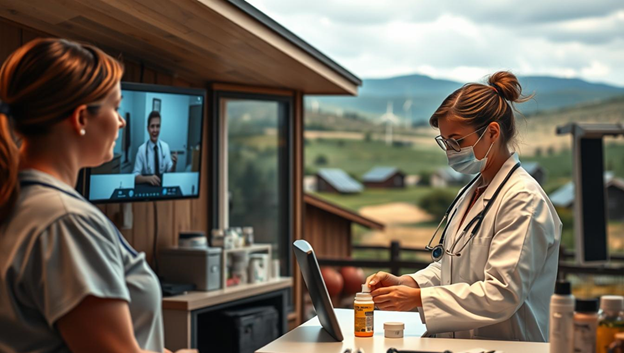
Telepharmacy: Expanding Care in Rural Areas
Imagine living miles away from the nearest pharmacy. For many Americans in remote regions, getting medications or expert advice isn't just inconvenient---it's a real barrier to staying healthy. That's where modern solutions step in, connecting people with qualified pharmacists through digital tools. This approach isn't just convenient---it's reshaping how underserved populations receive support.
The National Association of Boards of Pharmacy defines this model as using telecommunications to deliver pharmaceutical care across distances. Patients can discuss prescriptions, review treatment plans, or ask questions without traveling hours. It's like having a pharmacist right in your living room, even if you're surrounded by farmland or mountains.
Geographical challenges have long limited options for those outside cities. Limited transportation, fewer clinics, and staffing shortages create gaps in care. But with secure video calls and digital platforms, critical services now reach kitchens, community centers, and local clinics. This isn't just about convenience---it's about saving time, reducing stress, and preventing health complications.
Key Takeaways
- Telepharmacy uses technology to connect patients with pharmacists remotely.
- It addresses medication access challenges in geographically isolated regions.
- Services include prescription reviews, counseling, and treatment guidance.
- Digital platforms reduce travel time and improve health outcomes.
- Regulations and economic factors shape its adoption across states.
Introduction to Telepharmacy in Rural Areas
When the local pharmacy shuts its doors, it's more than just an inconvenience---it's a healthcare emergency. Over 1,200 small-town pharmacies have closed since 2003, leaving millions scrambling for basic medications. "People shouldn't have to choose between groceries and gas money to pick up prescriptions," notes a recent Johns Hopkins study on medical deserts.
Population decline and tight budgets make traditional pharmacy services unsustainable in remote regions. Towns with fewer than 10,000 residents often struggle to attract pharmacists, creating dangerous gaps in care. Patients face hour-long drives or unreliable mail deliveries, risking missed doses or dangerous drug interactions.
This crisis sparks a chain reaction. Without nearby pharmacies, chronic conditions go unmanaged. Flu shots become unavailable. Even simple consultations vanish. Digital solutions now bridge these gaps through video calls and secure messaging, offering what mail-order services can't---personalized guidance from licensed professionals.
Unlike impersonal online platforms, these systems prioritize real-time conversations. A farmer in Nebraska can review insulin instructions face-to-face with a specialist. A retiree in Appalachia gets immediate answers about blood thinners. It's healthcare that meets people where they are---literally.
The Evolution of Telemedicine and Telepharmacy
Ancient Greeks might not have imagined video calls, but their word "telos" (distance) planted the seed for today's remote healthcare services . Combined with Latin "meden" (to heal), these roots grew into modern telemedicine---a field the World Health Organization defines as using technology to deliver care across geographical barriers.
Early experiments began with crackly phone consultations in the 1920s. Doctors sent ECG readings via telephone lines decades before email existed. The real game-changer? Digital data compression in the 1990s. Suddenly, low-bandwidth video conferences made face-to-face consultations possible through clunky desktop computers.
Three key innovations fueled telepharmacy's rise:
- Secure electronic health records replacing paper files
- Encrypted messaging for prescription reviews
- Automated dispensing systems with remote oversight
By 2000, 35 states allowed some form of remote medication management. Today's platforms integrate prescription tracking, allergy alerts, and dosage reminders---all accessible through smartphones. This tech evolution transformed pharmacy services from location-bound operations to adaptable digital networks.
As internet speeds improved, so did care quality. High-definition video now lets pharmacists spot subtle medication reactions. Real-time data sharing prevents dangerous drug interactions. What started as radio transmissions between ships and shore hospitals has become lifelines for isolated patients.
Telepharmacy Benefits Rural Communities
Picture a grandmother video-chatting with her pharmacist from her kitchen table---this is today's healthcare reality where distance no longer dictates care quality. Digital platforms now deliver prescription expertise to regions where traditional pharmacies struggle to operate. Patients refill medications, review side effects, and manage chronic conditions through secure virtual visits.
Local economies gain momentum when digital health services arrive. New technician roles emerge at community clinics, while reduced travel expenses keep money in residents' pockets. One study found families save an average of $42 monthly on gas alone when using remote consultations.
For low-income populations, these services prove vital. Over 60% of participants in a Midwest program reported they'd skip doses without affordable digital options. "It's not just about pills---it's about understanding how to use them safely," explains a Montana-based pharmacist conducting weekly virtual check-ins.
Real-time screenings for drug interactions and personalized dosage reminders prevent costly emergencies. Clinics using these tools see 28% higher medication adherence rates compared to mail-order alternatives. By connecting specialists with underserved areas, the model turns smartphones into lifelines---one consultation at a time.
How Telepharmacy Works in Rural Settings
At a remote health center, a technician scans a prescription while a pharmacist miles away reviews it in real-time---this is telepharmacy in action. This system blends cutting-edge tools with human expertise to deliver medications safely. Let's unpack the gears turning behind this healthcare innovation.
Technology Integration and Remote Connectivity
Three core components power these services:
- Secure video platforms for face-to-face consultations
- Cloud-based software managing prescriptions and patient records
- Automated dispensers that release medications after remote approval
High-speed internet forms the backbone, with backup satellite connections ensuring reliability. Encryption protects sensitive data during transfers, meeting strict health privacy standards.
Step-by-Step Operational Process
- A patient submits their prescription at a local clinic staffed by technicians
- The document gets scanned into a shared digital system
- A licensed pharmacist reviews dosage, allergies, and interactions remotely
- Once approved, automated machines dispense the labeled medication
- Final video consultation ensures the patient understands usage guidelines
This streamlined approach maintains safety checks while eliminating travel burdens. As one Wyoming clinic manager notes: "Our patients get expert oversight without the four-hour round trip to the nearest city pharmacy."
Enhancing Healthcare Access Through Telepharmacy
Nearly 50% of America's small-town hospitals operate without regular pharmacist support. Nurses often handle medication duties despite lacking specialized training. This gap leaves patients vulnerable to dosing errors and drug interactions. Digital pharmaceutical services now fill this void by connecting clinics with licensed experts through secure platforms.
|------------------------------------|------------------------------| | Traditional Model | Telepharmacy Model | | Pharmacist available ≤5 hrs/week | 24/7 remote oversight | | Nurses manage 90% of medications | Specialist-guided dispensing | | No routine drug interaction checks | Automated screening systems |
These digital tools bring specialty consultations to towns once considered too remote. A diabetic patient in North Dakota now receives insulin guidance via video chat. Cancer survivors in West Virginia access complex medication regimens without 200-mile drives.
The results speak volumes. Clinics using remote pharmaceutical services report 37% fewer medication errors. Patients managing chronic conditions show 42% better adherence rates. "It's like having an expert in our supply closet," says a Maine clinic coordinator.
This shift doesn't just improve individual outcomes---it strengthens entire regional health networks. Emergency room visits for prescription-related issues drop by nearly a third in areas adopting these services. What was once a logistical nightmare becomes manageable through smart tech solutions.
Key Telepharmacy Services Offered in Remote Areas
What happens when expert pharmaceutical care needs to cross mountains or vast plains? Digital platforms deliver specialized support through tailored programs that transform kitchen tables into consultation spaces. These systems provide more than prescriptions---they create ongoing partnerships between individuals and healthcare teams.
Medication Dispensing With Expert Oversight
Licensed professionals remotely manage every step of medication preparation. Technicians at local sites handle physical tasks while pharmacists verify:
- Accurate dosage calculations
- Potential drug interactions
- Proper labeling and storage
Real-time video feeds allow specialists to monitor compounding processes. One Alaska clinic reduced dispensing errors by 53% after implementing this dual-check system.
Personalized Guidance Through Digital Channels
Video consultations offer private spaces for detailed discussions. Research shows virtual sessions last 42% longer than in-person visits. Patients report better understanding of:
- Medication schedules
- Side effect management
- Chronic condition strategies
|------------------|----------------------------|---------------------------| | Aspect | Traditional Counseling | Digital Sessions | | Privacy Level | Public counter discussions | Secure home consultations | | Average Duration | 4.2 minutes | 6.8 minutes | | Follow-Up Access | Scheduled visits | 24/7 messaging options |
Specialized programs help manage complex regimens. Diabetes patients using remote monitoring tools saw 31% improvement in blood sugar control. "The camera lets me show my medication setup instead of describing it," shared a Wyoming participant in a Mayo Clinic pilot program.
Role of Pharmacists in Telepharmacy Operations
Licensed pharmacists form the backbone of successful digital medication services. Their expertise ensures safety protocols remain tight, even across state lines. Through video consultations and secure platforms, they review prescriptions, flag interactions, and guide patients through complex regimens---all without sharing physical space.
Modern pharmacy practice now demands tech-savvy professionals. Specialists monitor multiple sites simultaneously using advanced software. A 2013 study found remote medication reviews slash adverse drug events by 35%. That's crucial when preventable errors cost $2 billion annually in the U.S. alone.
Training programs prepare pharmacists for these expanded roles. They learn to assess patients via camera, interpret digital health data, and supervise technicians remotely. One Midwest hospital reduced dosing mistakes by 41% after implementing such protocols.
This shift doesn't replace traditional care---it enhances it. Real-time collaboration with doctors and customized follow-ups keep patients on track. As one practitioner notes: "We're not just checking boxes. We're building trust through screens."
FAQ
How does telepharmacy improve access to prescriptions in remote regions?
By connecting patients with licensed professionals through secure video calls and digital platforms, it eliminates long travel distances. This ensures timely refills, medication reviews, and guidance without needing in-person visits.
What types of support do virtual pharmacists provide?
They offer medication management, dosage advice, and side-effect monitoring. They also conduct wellness checks and collaborate with doctors to optimize treatment plans for chronic conditions like diabetes or hypertension.
Can telepharmacy handle controlled substance prescriptions?
Yes, but strict protocols are followed. Remote pharmacists verify identities using secure ID checks and adhere to state and federal regulations to ensure safe, legal dispensing of these medications.
Is internet reliability a barrier for underserved locations?
While connectivity challenges exist, many programs use low-bandwidth solutions compatible with basic smartphones. Offline tools like SMS-based reminders also help maintain care continuity in areas with spotty service.
How do patients receive medications through these services?
Prescriptions are either mailed directly to homes or sent to partner local clinics for pickup. Some systems even use automated dispensing units in community centers for instant access after a virtual consultation.
Are virtual consultations as effective as face-to-face visits?
Studies show comparable outcomes in medication adherence and patient satisfaction. Real-time interactions allow pharmacists to assess needs, answer questions, and build trust, mirroring traditional care quality.