
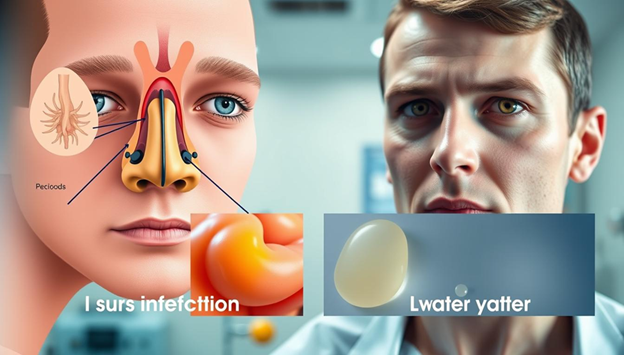
Sinus Infection vs Cold: Key Differences and Treatments Explained
Ever feel confused when you're stuffy and achy? You're not alone. Many people struggle to tell apart these two common conditions.
They share many similar signs like nasal congestion and headaches. This makes it tricky to know what you're dealing with.
The main distinction lies in how long your discomfort lasts and specific symptoms. Understanding these details helps you get the right care faster.
This guide will walk you through the telling signs of each condition. You'll learn when it's likely just a virus and when it might be something more.
Key Takeaways
- Colds and sinus issues often begin with similar discomfort
- Duration of symptoms is a major distinguishing factor
- Mucus appearance can indicate which condition you have
- Most colds resolve within 7-10 days without special treatment
- Persistent symptoms beyond 10 days may indicate bacterial involvement
- Proper identification leads to more effective relief strategies
- Knowing when to consult a doctor prevents complications
Understanding Sinus Infections and Colds: What You Need to Know
Distinguishing between common respiratory ailments can feel like solving a medical mystery. Both conditions start with similar discomfort that makes everyday activities challenging.
Why It's Challenging to Tell Them Apart
These conditions share many identical symptoms that confuse most people. Nasal congestion, fatigue, and headaches appear in both scenarios. This overlap makes self-diagnosis particularly difficult.
Colds always come from viruses, with over 200 different types causing trouble. Rhinovirus is the most common culprit behind your discomfort. Meanwhile, other respiratory issues can have multiple origins.
Some problems develop when inflammation blocks proper drainage in your nasal passages. This trapped mucus creates an environment where unwanted microorganisms can multiply. What began as a simple virus might transform into something more complicated.
When to Seek Professional Medical Advice
Your body usually handles minor illnesses within 7-10 days through its natural defenses. When symptoms persist beyond this period, it's time to consider professional help. This is especially true if you experience high fever or facial swelling.
Healthcare providers play a crucial role in determining the root cause of your symptoms. They can identify whether bacteria are involved and if specific medications would help. Getting the right diagnosis leads to more effective care and faster recovery.
Never hesitate to seek medical attention for severe or prolonged discomfort. Your health deserves proper attention, and sometimes self-care strategies aren't enough. Professional guidance ensures you receive appropriate treatment for your specific condition.
What Causes Sinus Infections Versus Colds
Have you ever wondered why some sniffles turn into more serious conditions? The answer lies in understanding what triggers each type of illness.
While both may start with similar discomfort, their origins and development paths differ significantly. Knowing these differences helps you respond appropriately to your symptoms.
Viral Origins of the Common Cold
When you catch a cold, you're dealing with tiny invaders called viruses. Rhinovirus is the most common culprit behind your sniffles and sneezes.
Other viruses like RSV and certain coronaviruses can also cause cold symptoms. These microorganisms specifically target your upper respiratory system.
This explains why you typically experience nasal congestion , sore throat , and cough during a cold. Your body's reaction to these viruses creates the symptoms you feel.
How Sinus Infections Develop
Sometimes what begins as a simple cold can transform into something more complicated. When inflammation blocks your sinus openings, trouble can begin.
This blockage traps mucus inside your sinus cavities. The stagnant moisture creates a perfect environment for bacteria to multiply.
This bacterial growth turns viral inflammation into a full-blown infection. The process often explains why symptoms persist beyond the typical cold duration.
Risk Factors for Chronic Sinus Issues
Some people experience recurring sinus problems due to specific risk factors. Allergies rank among the most common contributors to chronic issues.
Nasal polyps or structural abnormalities can also predispose you to recurrent infections. Immune system deficiencies might make it harder for your body to fight off these problems.
Environmental irritants like pollution or smoke can increase your susceptibility too. Recognizing your personal risk factors helps you take preventive measures.
Monitoring symptom changes becomes crucial when you have these risk factors. What starts as a typical cold might require different attention if you're prone to chronic issues.
Comparing Symptoms: Sinus Infection vs Cold
Navigating through respiratory discomfort requires paying close attention to specific symptom patterns. Your body communicates differently depending on what's causing your distress.
Learning to recognize these subtle variations helps you understand your condition better. This knowledge guides you toward the most appropriate care for your situation.
Overlapping Symptoms Both Conditions Share
Several discomforts appear in both respiratory conditions, making initial identification challenging. You might experience nasal congestion that makes breathing through your nose difficult.
Postnasal drip often accompanies this congestion, potentially irritating your throat. Headaches and general fatigue commonly occur with both types of illnesses.
Body aches and watery eyes complete the list of shared symptoms. These overlapping signs explain why confusion arises during early stages.
Unique Sinus Infection Symptoms to Watch For
Certain indicators strongly suggest you're dealing with more than a typical virus. Facial pressure and pain around your cheeks and eyes often signal sinus involvement.
Discolored mucus that appears yellow or green frequently accompanies these conditions. You might notice an unpleasant taste or smell due to drainage issues.
Some people experience tooth discomfort or noticeable bad breath . These particular symptoms typically don't appear with simple viral infections.
If your discomfort continues to last longer than ten days, this suggests possible bacterial involvement. Tracking these patterns helps distinguish between conditions.
Cold-Specific Symptoms That Typically Don't Occur with Sinusitis
Certain manifestations point more toward viral origins than sinus problems. Frequent sneezing episodes commonly accompany colds but rarely occur with sinus issues.
Children often develop a low-grade fever during viral infections. This temperature elevation is less common in sinus-related conditions.
General body aches tend to be milder and more widespread with colds. The specific facial pressure associated with sinus problems usually doesn't develop.
Most cold-related symptoms gradually improve within seven to ten days. If yours persist beyond this timeframe, consider consulting healthcare professionals.
Key Differences Between Sinus Infections and Colds
Understanding the specific signals your body sends helps you determine whether you're dealing with a temporary virus or something more persistent. While these conditions share many symptoms, several telling signs set them apart.
Learning to recognize these variations empowers you to seek appropriate care. This knowledge can significantly impact your recovery timeline and comfort level.
Duration of Illness: How Long Symptoms Last
One major difference lies in how long your discomfort persists. Viral respiratory issues typically run their course within 7-10 days.
Your body's natural defenses usually clear the virus within this timeframe. You should notice gradual improvement each day.
When symptoms extend beyond ten days, this suggests something different might be happening. Persistent issues may indicate bacterial involvement requiring different attention.
Sinus Pressure and Facial Pain Indicators
Specific discomfort around your facial areas provides important clues. Pressure around your cheeks, forehead, or between your eyes often signals sinus involvement.
This sensation might intensify when you bend forward or move your head suddenly. The pain typically feels deeper and more localized than general headache discomfort.
Some people notice tooth discomfort or jaw tenderness accompanying this pressure. These specific sensations rarely occur with simple viral respiratory issues.
Mucus Color and What It Reveals
Your nasal discharge offers valuable information about what's happening inside. Clear, watery mucus usually accompanies typical viral conditions.
As your body fights invaders, the consistency and color might change temporarily. Thicker yellow or green discharge often indicates something different is occurring.
This coloration suggests your immune system is battling bacteria rather than viruses. While not definitive proof, it's certainly a sign worth noting.
Fever Patterns and What They Mean
Temperature changes provide another way to tell these conditions apart. Mild fever frequently accompanies viral respiratory issues, especially in children.
This elevation typically remains low-grade and improves within a few days. Bacterial issues rarely cause significant fever unless they become severe.
High or persistent fever warrants medical attention regardless of the suspected cause. Monitoring your temperature pattern helps complete the diagnostic picture.
Additional signs like unpleasant breath might accompany prolonged nasal congestion. Tracking symptom progression from onset through resolution provides the clearest picture.
When in doubt, consulting healthcare professionals ensures you receive appropriate guidance. They can help interpret your specific combination of signs and symptoms.
Treatment Approaches for Sinus Infections and Colds
When discomfort strikes, knowing your treatment options brings comfort and confidence. The right approach depends on whether you're dealing with a virus or something more persistent.
Most respiratory issues respond well to simple supportive measures. Understanding when to use which strategy makes all the difference in your recovery.
Simple Soothing Strategies You Can Try
Your body has amazing healing abilities when given proper support. Rest remains one of the most powerful home remedies for both conditions.
Staying hydrated helps thin mucus and keeps your membranes moist. Warm fluids like tea or broth provide comfort while maintaining hydration.
Saline nasal rinses clear irritants and reduce nasal congestion. Steam inhalation loosens secretions and makes breathing easier.
Many people find warm compresses soothing for facial discomfort. These simple measures often provide significant relief without medications.
Understanding Medication Options
Over-the-counter products can ease specific cold symptoms. Pain relievers like acetaminophen reduce headaches and body aches.
Decongestants temporarily shrink swollen nasal passages. Guaifenesin helps thin thick mucus for easier clearance.
Antihistamines may help if allergies contribute to your discomfort. Always read labels carefully and follow dosage instructions.
When Antibiotics Become Necessary
Antibiotics only work against bacterial infections, not viruses. They're appropriate for confirmed bacterial sinus issues but useless for viral conditions.
Unnecessary antibiotics can cause side effects and promote resistance. Your doctor determines when these medications might help based on your specific situation.
Seeking Professional Guidance
Most viral issues improve within 7-10 days with self-care. Persistent symptoms beyond this timeframe warrant professional attention.
Contact healthcare providers if you develop high fever or severe facial pain. Vision changes or neck stiffness also require immediate medical evaluation.
Proper diagnosis ensures you receive the most effective treatment for your condition. Don't hesitate to seek help when your symptoms concern you.
Conclusion: Making Sense of Your Symptoms
Knowing what's happening in your body helps you choose the right path to feeling better. You now understand how to spot the difference between these common conditions.
Watch for how long your symptoms last and any facial pressure. Notice if your mucus changes color or if discomfort persists beyond ten days.
Most common cold cases clear up with simple self-care . When issues continue, it might signal a bacterial sinus infection needing medical attention.
Trust your instincts and seek help when something feels off. You're now equipped to make smart choices about your health and recovery.
FAQ
How can I tell if I have a cold or a sinus infection?
Pay attention to how long your symptoms last and their intensity. Colds usually improve within 7--10 days, while sinus infections often linger or worsen. Look for signs like facial pressure, thick yellow or green mucus, and pain around your eyes or teeth, which are more common with sinusitis.
When should I see a doctor for my symptoms?
Reach out to a healthcare provider if your symptoms last more than 10 days, suddenly worsen, or if you develop a high fever, severe headache, or vision changes. These could be signs of a bacterial sinus infection or another condition needing medical attention.
Are antibiotics necessary for treating a sinus infection?
Not always. Most sinus infections are viral and won't respond to antibiotics. Your doctor may prescribe them only if symptoms suggest a bacterial cause, like persistent fever or worsening condition after a week. Overusing antibiotics can lead to resistance.
What home remedies can help relieve sinus pressure?
A> Try using a warm compress on your face, inhaling steam, or rinsing your nasal passages with a saline solution. Staying hydrated and using a humidifier can also ease congestion and discomfort. These simple steps often bring relief without medication.
Can a cold turn into a sinus infection?
Yes, sometimes. A common cold can cause swelling and blockage in your sinuses, trapping mucus and creating an environment where bacteria can grow. If your cold symptoms don't improve or get worse after a week, it might have developed into sinusitis.
What over-the-counter medicines are safe to use?
A> Decongestants, pain relievers like ibuprofen or acetaminophen, and saline nasal sprays can help manage symptoms. Always read labels and talk to a pharmacist or doctor if you have other health conditions or are unsure what's right for you.