
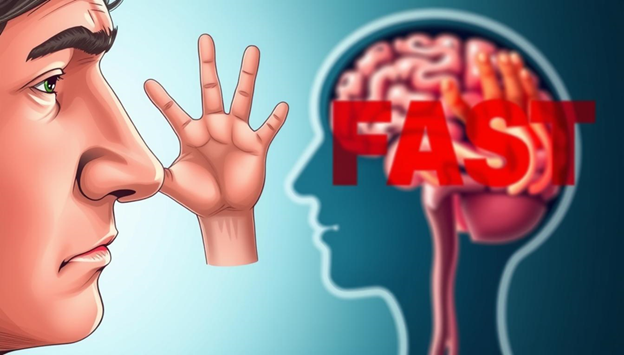
Signs of a Stroke: FAST Symptoms You Need to Know
Every 40 seconds, someone in the U.S. experiences a medical crisis that changes their life forever. Strokes rank as the fifth-leading cause of death nationwide and create lasting disability for countless survivors. What makes this condition so dangerous? Nearly two million brain cells vanish each minute without proper treatment.
Time becomes your greatest enemy during these emergencies. Quick recognition of unusual changes -- like sudden confusion or numbness -- can mean avoiding paralysis or speech loss. Young adults, seniors, and even children aren't immune, which is why everyone should learn to spot red flags.
Modern medicine offers hope when action happens right away. Studies show faster emergency care leads to better recovery rates and fewer long-term challenges. But hesitation remains common, often because people second-guess what they're seeing.
Key Takeaways
- Strokes destroy brain cells rapidly, making immediate response critical
- Age doesn't protect anyone -- preparation matters for all adults
- Quick action reduces disability risks by up to 30%
- Confusion or one-sided weakness often signal trouble
- Call 911 without delay -- never wait for symptoms to fade
- New treatments work best within 3 hours of onset
Understanding Stroke and Its Impact
When blood flow falters, the brain sounds an alarm that can't be ignored. This life-threatening event occurs when clots block arteries (ischemic ) or weakened vessels burst (hemorrhagic). Both scenarios starve brain cells of oxygen, triggering a race against time.
What Causes a Stroke?
Most strokes (87%) happen when fatty deposits or clots jam blood pathways. Think of it like a highway closure for vital supplies. The remaining cases involve ruptured vessels flooding brain tissue. "Every minute without oxygen destroys neural connections we can't rebuild," notes a Johns Hopkins neurology study.
How Stroke Affects the Brain and Body
Your brain controls everything -- from lifting a finger to recalling memories. Damage to speech areas might silence words. Harm to motor regions could paralyze limbs. Even subtle changes in vision or balance signal trouble.
Women and minority groups face higher risks due to genetic factors and healthcare gaps. Quick action preserves abilities -- that's why recognizing symptoms matters. Treatment differs by type, making fast ER visits essential for recovery.
Recognizing signs of a stroke
Time becomes critical when brain cells start failing. Knowing what to look for helps save lives and reduces recovery challenges. Symptoms often strike without warning, creating visible changes that demand swift action.
Key Symptoms to Watch For
Sudden facial drooping or uneven smiles often appear first. Arm weakness might show as difficulty lifting one limb or holding objects. Speech changes could involve slurred words or scrambled sentences that confuse listeners.
Vision issues like double images or partial blindness may develop rapidly. Balance problems might cause stumbling or unexplained dizziness. Even temporary symptoms require emergency care -- they're never "just a spell."
The Role of F.A.S.T. in Identification
The F.A.S.T. method simplifies detection:
|------------|----------------------------|---------------------------| | Letter | Check For | Action | | F (Face) | Uneven smile or drooping | Ask person to show teeth | | A (Arm) | Weakness on one side | Have them raise both arms | | S (Speech) | Slurred or strange phrases | Request a simple sentence | | T (Time) | Any symptom present | Call 911 immediately |
This system works because it focuses on visible, measurable changes. Emergency responders train with these markers -- using them speeds diagnosis and treatment.
Importance of Acting F.A.S.T.
When brain cells are under attack, minutes determine outcomes. The F.A.S.T. method gives everyone power to recognize trouble and act decisively. Medical professionals designed this simple checklist to cut through confusion during crises.
What Does F.A.S.T. Stand For?
Start by checking facial movements. Ask the person to smile -- unevenness could mean nerve damage. Next, test arm strength by having them raise both arms; weakness in one arm often signals trouble.
Speech tests reveal hidden clues. Request a simple phrase like "The sky is blue." Slurred or jumbled words demand action. These three checks take under a minute but provide critical data for responders.
Why Every Second Matters in Stroke Treatment
Clot-busting medications and advanced therapies work best within three hours. Emergency teams start treatment en route, shaving precious minutes off hospital arrival delays. "We can reverse damage if we reach patients quickly," explains a Mayo Clinic neurologist.
Driving someone yourself wastes golden minutes. Ambulance crews alert hospitals during transport, ensuring CT scans and specialists stand ready. Even if symptoms fade, immediate care prevents secondary complications.
Special Considerations for Unique Stroke Symptoms
Stroke symptoms don't always announce themselves with textbook clarity. Some people experience unusual warning signs that fly under the radar, especially in specific groups. Recognizing these variations can mean catching emergencies that others might miss.
Differences Between Men and Women
Women often face stroke challenges that differ from men. While numbness or speech issues appear in both, women may experience sudden nausea, hiccups, or confusion without classic weakness. These subtle changes frequently get dismissed as fatigue or stress.
|--------------------|--------------------------------------|-------------------------------| | Symptom Type | Common in Women | Common in Men | | Primary Indicators | General weakness, disorientation | Arm numbness, slurred speech | | Secondary Clues | Memory gaps, vomiting | Facial drooping, balance loss | | Action Needed | Call 911 immediately for any symptom | |
Understanding Silent Strokes and Posterior Circulation Effects
Silent strokes cause brain damage without obvious symptoms. Advanced imaging reveals these hidden events, which increase dementia risk by 60%. Nearly 25% of octogenarians show evidence of past silent infarcts.
Posterior circulation strokes target the brain's balance centers. Patients often describe "the room spinning " alongside coordination issues or double vision. "These cases require urgent MRI scans," advises a Harvard Medical School review.
Transient ischemic attacks (TIAs) serve as critical warnings -- 15% lead to major strokes within months. Even temporary symptoms like slurred speaking or trouble seeing one side demand ER visits. Quick action during these ischemic attack windows can prevent irreversible damage.
Conclusion
Your ability to spot trouble could rewrite someone's story. Strokes demand swift action -- not hesitation. When the brain sounds alarms through sudden confusion or weakness, every second counts toward preserving life and function.
Knowing the F.A.S.T. method turns bystanders into lifesavers. Share this knowledge freely -- your coworker's slurred speaking or a stranger's wobbling walk might need your help. Medical teams can't work miracles without timely alerts to spring into action.
Recovery journeys vary, but modern treatments offer real hope. Celebrate small wins like regained movement or clear sentences. Prevention matters too -- manage blood pressure and stay active to reduce risks.
Trust your gut when something feels off. Quick hospital visits enable clot-busting drugs and specialized care that save brain cells. Together, we can build communities where strokes lose their power to devastate.
FAQ
What should I do if I think someone is having a stroke?
Call 911 immediately. Time is critical---every minute counts to prevent permanent brain damage. Note when symptoms started and stay with the person until help arrives.
How does a transient ischemic attack (TIA) differ from a full stroke?
A TIA, or "mini-stroke," causes temporary symptoms like slurred speech or weakness but doesn't leave lasting damage. However, it's a major warning sign that a full stroke could occur soon.
Can a stroke affect only one side of the body?
Yes. Sudden numbness or weakness in the face, arm, or leg---especially on one side---is a common sign. Ask the person to raise both arms; if one drifts downward, seek emergency care.
Why is the F.A.S.T. acronym important?
F.A.S.T. helps identify key symptoms: Face drooping, Arm weakness, Speech difficulty, Time to call 911. This quick check can save lives by speeding up treatment.
Are stroke symptoms different for women?
Women may experience less obvious signs like sudden fatigue, hiccups, or confusion alongside classic symptoms. Always err on the side of caution and seek urgent care.
What treatments are available if caught early?
Clot-busting drugs like tPA or mechanical thrombectomy can restore blood flow if given within hours. The sooner treatment starts, the better the chances of recovery.
Can vision problems signal a stroke?
Yes. Sudden trouble seeing in one or both eyes, double vision, or loss of balance could indicate a posterior circulation stroke affecting the brainstem.
How do silent strokes show up?
Silent strokes may cause subtle memory issues or coordination problems without obvious symptoms. They're often detected later during brain scans for other conditions.