
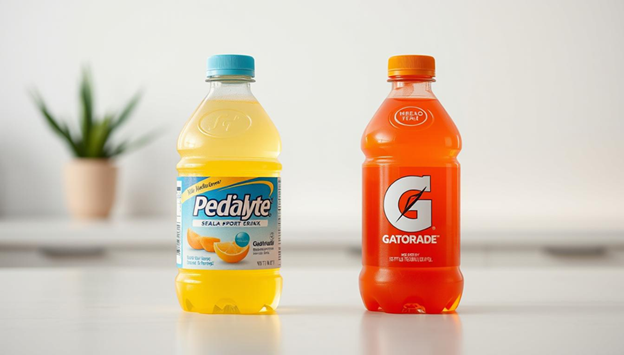
Pedialyte vs Gatorade: What’s Better for Rehydration?
When your body needs fluids fast, you have options. Two popular drinks stand out for rehydration. But they serve different needs.
One is often linked to medical recovery. The other targets athletic performance. Knowing which to choose can boost your health.
Dehydration strikes from many causes. Illness, exercise, or heat can drain your fluids and electrolytes . Proper hydration is key to feeling your best.
This guide will break down both options. We'll compare sugar content , mineral levels, and ideal uses. You'll learn which solution fits your situation.
Key Takeaways
- Different drinks serve different primary purposes for fluid replacement
- Medical rehydration often requires specific electrolyte balances
- Athletic activities demand energy support alongside hydration
- Sugar content varies significantly between hydration solutions
- Individual health conditions should guide your drink choice
- Both products are safe when used for their intended purposes
- Understanding nutritional differences prevents misuse and optimizes benefits
Understanding Dehydration and Rehydration Solutions
When dehydration strikes, understanding the right solution matters. Your body's delicate fluid balance affects everything from energy to mental clarity.
What happens when your body gets dehydrated
Dehydration occurs when you lose more fluids than you take in. This imbalance disrupts your body's normal functions.
Fluid loss happens through sweating, excessive urination, or illness. Diarrhea and vomiting can quickly drain your system.
This affects your energy levels and cognitive function. Even mild dehydration impacts your overall health and performance.
How electrolyte drinks work better than water
Plain water doesn't always solve dehydration. It lacks the minerals your body desperately needs.
Electrolyte drinks contain sodium, potassium, and other minerals. These help your body absorb and retain fluids more effectively.
They slow urination and gastric emptying. This improves water retention during heat or exercise.
The right balance of sugars and minerals enhances absorption. This makes them more effective than water alone.
Signs you need more than just water
Persistent thirst after drinking water signals trouble. So does fatigue that doesn't improve with rest.
Headaches and muscle cramps often indicate mineral loss. Dark yellow urine suggests concentrated waste products.
Infants and older adults face higher dehydration risk. People with diabetes also need special attention.
For children with vomiting or diarrhea, water can dilute electrolytes further. Specialized drinks become crucial for recovery.
Recognizing these signs early prevents serious complications. It helps you choose the right rehydration approach.
Pedialyte vs Gatorade: Key Differences Explained
These two beverages serve distinct roles in fluid replacement. Their formulations reflect different design philosophies.
One targets medical recovery scenarios. The other supports physical exertion. Understanding their composition helps you choose wisely.
Original Development Goals
Medical researchers created one product for sick children. It addressed dehydration from stomach illnesses.
University scientists developed the other for football players. They needed to maintain athletic performance during games.
These different origins explain their contrasting approaches to hydration science.
Mineral Content Analysis
The medical rehydration solution contains higher electrolyte levels. It has approximately 370mg sodium per serving.
This content helps rapidly restore mineral balance after fluid loss. The sports drink offers about 160mg sodium.
Potassium levels show similar differences. The medical option provides 280mg versus 50mg in the athletic formula.
Zinc appears only in the medical formulation. This mineral aids nutrient absorption during digestive distress.
Sweetener Composition
The athletic drink contains 21 grams of sugar per serving. This provides quick energy for active people.
High sugar content can worsen digestive issues. The medical formula uses less sweetener to avoid this problem.
Some medical versions use artificial sweeteners. These maintain taste without adding excessive sugars.
The athletic brand offers sugar-free alternatives. These cater to health-conscious adults and athletes.
These differences make each product ideal for specific situations. Choose based on whether you need medical recovery or exercise support.
Nutritional Breakdown: Side-by-Side Comparison
Looking at the numbers reveals why these hydration solutions serve different purposes. The nutritional profiles tell a clear story about their intended uses.
Each drink contains specific amounts of key ingredients. These differences determine which situation they best address.
Calories and carbohydrate content
The medical rehydration solution contains 40 calories per 12-ounce serving. This lower calorie count suits people recovering from illness.
It provides just 9 grams of carbohydrates. This amount helps avoid worsening digestive issues.
The sports drink offers 80 calories in the same serving size. This higher energy content supports physical activity.
It contains 22 grams of carbohydrates. These carbs fuel muscles during exercise and sports.
Sodium, potassium and other minerals
Sodium levels differ significantly between these drinks. The medical formula provides 370 milligrams per serving.
This higher sodium content improves fluid retention during recovery. It helps your body absorb water more effectively.
The athletic option contains 160 milligrams of sodium. This amount supports sweat replacement without overloading your system.
Potassium shows even greater variation between products. The medical solution offers 280 milligrams.
The sports drink contains just 50 milligrams. This mineral helps maintain proper muscle and nerve function.
Special ingredients: Zinc
One key difference involves zinc content. The medical rehydration solution includes 2.8 milligrams of this important mineral.
Zinc supports immune function during illness. It also enhances electrolyte absorption in your digestive system.
Research shows zinc can reduce diarrhea duration. This makes it valuable for people recovering from stomach issues.
The sports drink contains no zinc. Its formulation focuses on energy replacement rather than medical recovery.
These nutritional differences guide your hydration choice. The medical solution works best for illness recovery.
The sports drink supports athletic performance and energy needs. Neither product should replace water for daily hydration.
Understanding these profiles helps you make informed decisions about your health needs.
Best Uses for Pedialyte
When illness strikes, your body needs special care. The right rehydration solution makes recovery smoother and faster.
Medical-grade formulas work differently than everyday drinks. They target specific health challenges with precision.
Recovering from stomach flu and viruses
Stomach bugs drain your body of essential fluids and minerals. Fever and sweating increase dehydration risk.
This oral rehydration solution contains optimal electrolyte levels . It helps restore your natural mineral balance quickly.
The formula replaces what illness takes away. You regain strength faster than with water alone.
Managing diarrhea and vomiting
Digestive issues require careful fluid management. Too much sugar can worsen diarrhea symptoms.
This solution uses lower sugar content than sports drinks. It prevents additional digestive stress during recovery.
High sodium and potassium levels work together. They help your body absorb fluids more effectively.
Zinc enhances this absorption process. Research shows it can reduce diarrhea duration significantly.
Pedialyte for children's rehydration
Children face higher dehydration risk during illness. Their smaller bodies lose fluids faster.
This oral rehydration solution is formulated for children aged one year and up. It meets strict medical standards for safety.
Healthcare providers often recommend it for young patients. The electrolyte balance is perfect for little ones.
Offer small, frequent sips rather than large amounts. This approach helps prevent further vomiting.
Adults sometimes use this solution for hangover recovery. The low sugar content helps avoid nausea.
Remember that these solutions are for medical needs. They shouldn't replace daily water intake.
Always consult a doctor for severe dehydration . This choice works best for mild to moderate cases.
Best Uses for Gatorade
For active individuals pushing their limits, proper fuel makes all the difference. This sports drink shines when your body needs both hydration and energy support.
Sports performance and endurance training
This beverage truly excels during intense physical activity. Its 21 grams of carbohydrates per serving provide quick energy to maintain your glycogen stores.
During prolonged exercise, this combination helps delay fatigue. It improves stamina and reduces muscle cramping during activities like running or cycling.
Research shows it supports athletic performance in high-intensity sports. This is especially true in hot conditions where dehydration risk increases.
Replenishing during strenuous activity
When you're sweating heavily, this drink replaces lost fluids and minerals. The sodium content slows gastric emptying to enhance hydration retention.
This makes it ideal for activities lasting 90 minutes or longer. Your body gets both fluid replacement and energy support simultaneously.
For best results, consume it during or immediately after your exercise session. This timing maximizes the benefits for recovery and performance.
Gatorade Zero as a sugar-free option
The sugar-free version offers a smart alternative for certain needs. It uses artificial sweeteners to provide electrolytes without the calories.
This makes it suitable for weight management or people monitoring sugar intake. It delivers the mineral support without the energy boost.
Child athletes can use this option in moderation to avoid excess sugar. It provides hydration support without unnecessary calories.
Remember that these sports drinks serve specific athletic purposes. They shouldn't replace water for daily hydration or be consumed by sedentary individuals.
The higher sugar content benefits energy needs but isn't suitable for illness recovery. Always match your hydration choice to your actual activity level.
For active lifestyles where energy replenishment matters as much as hydration, this remains the go-to solution. Choose flavors and types based on your exercise intensity and duration.
Special Considerations: When to Choose Which
Your personal health situation should guide your hydration product selection. Different conditions require specific approaches to fluid replacement.
Understanding these special circumstances helps you make the safest choice. Your age, health status, and situation all matter.
For Hangover Recovery
Alcohol consumption causes significant fluid and mineral loss. Your body needs careful rehydration the morning after.
The medical solution works better here due to its composition. It contains less sugar, which helps avoid worsening nausea.
Added zinc supports recovery from stomach upset. The athletic drink's higher sugar content might actually prolong your discomfort.
For People With Diabetes or Blood Pressure Concerns
Blood sugar management requires careful drink selection. The athletic option's high sugar content makes it unsuitable for diabetics.
Consider sugar-free versions if you need mineral support. The medical formula's sodium levels might affect blood pressure.
People with hypertension should monitor their sodium intake carefully. Both products require moderation and medical guidance.
Age Considerations: Children vs Adults
Children have different hydration needs than adults. The medical solution is approved for ages one year and older.
It works well for illness-related fluid loss in young ones. The athletic drink is recommended for children aged four and up.
Active kids participating in sports might benefit from the energy boost. Otherwise, stick to safer options for daily hydration.
Remember that overuse carries specific risks. Excessive medical solution consumption can lead to high sodium levels.
This is particularly concerning for people with kidney issues. Regular athletic drink consumption increases obesity risk.
Always match your choice to your actual needs. Medical recovery requires different support than athletic activity.
Consult healthcare providers for personalized advice. They can recommend the best approach for your specific situation.
Conclusion: Making the Right Choice for Your Needs
Selecting the optimal hydration solution depends entirely on your specific circumstances. Medical recovery demands different support than athletic exertion.
Choose the medical formula for illness-related dehydration or hangovers. Its higher electrolyte content and lower sugar work best here.
Pick the sports drink for physical activities requiring energy replenishment. The carbohydrates fuel performance during extended exercise.
Consider your health conditions carefully. The medical option's sodium may affect blood pressure, while the athletic drink's sugar isn't ideal for diabetics.
Remember that neither product replaces water for daily hydration . Both serve specific purposes rather than general consumption.
Consult healthcare providers for personalized advice, especially for children or chronic conditions. Your individual needs should guide your final choice.
Both products effectively support rehydration when used appropriately. The right selection ensures you recover efficiently and maintain overall wellness.
We'd love to hear about your experiences with these hydration solutions! Share your thoughts or questions in the comments below.
FAQ
Can I drink Gatorade when I'm sick?
While Gatorade provides electrolytes, it has a high sugar content that can sometimes worsen stomach upset or diarrhea. For illness-related dehydration, an oral rehydration solution like Pedialyte is generally a better choice because it's specifically designed to help your body absorb fluids more effectively.
Is Pedialyte good for athletes?
Pedialyte can be effective for rehydration after exercise because it contains higher levels of sodium and potassium than many sports drinks. However, if you need quick energy during prolonged, intense activity, a traditional sports drink with carbohydrates might be more suitable for supporting athletic performance.
Which drink has more sugar?
Gatorade typically contains significantly more sugar. A 20-ounce bottle of the original formula has about 34 grams of sugar, while an equivalent serving of Pedialyte has roughly 9 grams. If you're watching your sugar intake, both brands offer lower-sugar or sugar-free options.
Can adults use Pedialyte?
Absolutely! While it's often associated with children, Pedialyte is safe and effective for adults. It's an excellent choice for rehydration when you're dealing with a stomach virus, hangover, or any situation where you've lost a lot of fluids and need to restore your electrolyte balance quickly.
Are there any risks to drinking these beverages regularly?
For general hydration, water is usually your best bet. Consuming electrolyte drinks like these when you don't need them can lead to excessive sugar or sodium intake. It's best to reserve them for times when you're actively dehydrated from sickness, strenuous exercise, or heat exposure.
What makes Pedialyte different from a typical sports drink?
The key difference lies in the electrolyte balance. Pedialyte is formulated as an oral rehydration solution with a specific sodium-to-glucose ratio that maximizes fluid absorption in your intestines. Sports drinks are designed to replenish electrolytes and provide energy during physical activity, often with a higher carbohydrate content.