
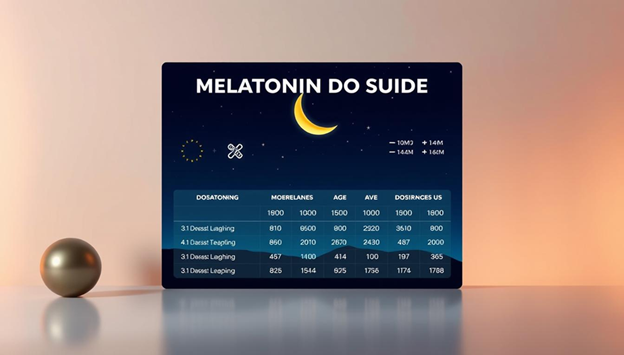
Melatonin Dosage by Age: How Much Is Safe?
Do you struggle to fall asleep at night? You're not alone. Many people face challenges with their sleep patterns. Your body naturally produces a hormone that helps regulate your internal clock.
This natural substance has become a popular supplement for those seeking better rest. It can help with sleep onset and adjusting to schedule changes. However, using these supplements requires careful consideration.
Finding the right amount is crucial for your health and wellbeing. The proper quantity varies significantly between adults and children. This guide will help you understand safe usage across different life stages.
Key Takeaways
- Melatonin supplements can support healthy sleep patterns when used correctly
- Proper dosing depends on multiple factors including age and individual needs
- Children require special consideration and professional guidance
- Timing your supplement intake is as important as the amount you take
- These supplements work best as part of a comprehensive sleep routine
- Always consult healthcare providers before starting any new supplement regimen
- Understanding potential side effects helps ensure safe usage
What You Need to Know About Melatonin and Sleep
Your body has an amazing internal clock that helps you feel sleepy at night. This natural rhythm works with a special hormone that tells your brain when it's time to rest. As evening approaches, your system increases production of this substance to prepare for sleep.
Levels peak during the night and drop to low amounts in the morning. This pattern helps you wake up feeling refreshed. Understanding this process is key to using supplements effectively.
Many people choose to take melatonin supplements when their natural cycle gets disrupted. Modern life with artificial light and screen time can interfere with your body's production. This is why some folks use melatonin to help reset their internal clock.
There's an important difference between your body's natural production and supplement forms. The American Academy of Sleep Medicine supports specific uses for these products. They endorse them for circadian rhythm disorders and REM sleep behavior disorder.
Research continues to explore potential benefits beyond sleep support, including applications for migraines and age-related insomnia.
When considering a melatonin dosage , timing matters just as much as quantity. Taking these supplements at the right moment helps synchronize with your natural rhythm. This approach can help you improve sleep quality more effectively.
These products work differently than prescription sleep medicine . They gently signal sleep time rather than forcing sedation. This makes them popular among those seeking a more natural approach to better sleep.
Special consideration is needed for children adolescents whose systems are still developing. Research shows promising results for various sleep issues when used appropriately. Always remember that melatonin supplements work best as part of a comprehensive sleep routine.
Current studies are examining how taking melatonin might help with conditions like post-traumatic brain injury. Scientists are also researching potential neuroprotective benefits. The key is finding the right amount of much melatonin for your individual needs.
Whether you're dealing with jet lag or shift work challenges, these supplements can be helpful tools. They support your body's natural processes rather than replacing them. Combined with good sleep habits, they can make a significant difference in your rest quality.
Understanding Melatonin: Your Body's Natural Sleep Signal
Nature has equipped you with an elegant system that signals when it's time to rest and recharge. This internal mechanism works through a special hormone produced in your pineal gland.
Your pineal gland acts as your body's biological clock manager. It responds to light changes throughout your day. When darkness falls, this tiny gland springs into action.
Evening darkness triggers the release of your body's sleep-signaling hormone. This natural process prepares your system for nightly restoration. The transition happens gradually as daylight fades.
Modern lifestyles often disrupt this delicate balance. Artificial lighting and screen time can confuse your internal clock. This interference may lead to various sleep problems.
There's an important distinction between circadian rhythm issues and general insomnia. Circadian disorders involve timing problems with your internal clock. General insomnia refers to difficulty falling or staying asleep regardless of timing.
When you travel across time zones, your natural rhythm faces challenges. Jet lag occurs because your internal clock remains synced to your home time. This temporary mismatch can disrupt your rest patterns.
Shift workers experience similar challenges with their sleep schedule. Working nights while the world sleeps creates biological confusion. Your body's natural signals conflict with your required wake times.
Research shows that aging affects your body's production of this sleep-signaling hormone, which may explain why sleep patterns often change as people grow older.
Some individuals might benefit from supplemental support for their rest cycles. Those with certain sleep disorders or circadian disruptions could find help. However, experts recommend professional guidance before starting any regimen.
For melatonin kids and adolescents, special consideration is essential. Younger systems are still developing their natural rhythms. Professional advice becomes particularly important for this age group.
When you melatonin take supplements, timing matters significantly. The right moment for intake aligns with your body's natural preparation phase. This approach supports rather than overrides your internal processes.
The drug administration approach for these supplements differs from prescription sleep aids. They work with your biology rather than forcing sedation. This gentle action makes them popular for occasional support.
You can support your natural melatonin production through lifestyle choices. Reducing evening screen exposure helps maintain your natural rhythm. Creating dark, quiet sleep environments supports your body's signals.
Research indicates that consistent sleep habits may increase your body's natural efficiency. Regular bedtimes and wake times strengthen your circadian rhythm. This consistency helps your internal clock function optimally.
Understanding how your body's sleep signaling works empowers you to make informed choices. Whether managing travel, shift work, or occasional rest challenges, this knowledge serves you well. Your natural systems work best when supported by consistent habits and appropriate timing.
General Principles for Melatonin Dosing
Finding your ideal amount begins with understanding basic dosing principles. The ""start low and go slow"" approach works best for most people. Begin with just 0.5 to 1 milligram and observe how your body responds.
Most adults find success with amounts between 1-3 milligrams. This range effectively supports your natural sleep cycle without overwhelming your system. Higher amounts don't necessarily produce better results.
Timing matters as much as quantity when taking these supplements. Plan your intake 30-60 minutes before your desired hours bedtime. This timing aligns with your body's natural preparation phase.
Individual factors significantly influence your ideal amount. Your weight, sensitivity, and specific sleep issues all play important roles. What works for others might not work perfectly for you.
Various forms of these supplements are available on the market. You'll find tablets, liquids, gummies, and time-release options. Each form has different absorption rates and duration effects.
Consistency in timing helps reinforce your natural sleep-wake cycle more effectively than varying your schedule.
Creating a relaxing pre-bed routine enhances your supplement's effectiveness. Avoid alcohol and caffeine in the evening hours. These substances can interfere with your ability to fall asleep naturally.
Assess whether your current approach is working for your needs. Improved sleep quality and daytime cognitive performance are good indicators. Give any new regimen at least a week before making adjustments.
For individuals with spectrum disorder or autism spectrum conditions, specialized guidance is essential. The food drug administration regulates these products as dietary supplements rather than medications.
Remember that these supplements work best as part of comprehensive sleep hygiene. They support your body's natural processes rather than replacing healthy habits. Combining them with good sleep practices creates the best melatonin experience for your melatonin sleep goals.
Melatonin Dosage by Age: How Much Is Safe?
Age-specific guidance ensures your supplement routine supports rather than disrupts your natural rhythms. The proper quantity varies significantly based on your developmental stage and unique physiology.
Younger systems process substances differently than mature ones. Older bodies may respond more sensitively to external support. This makes personalized dosing essential for everyone's health and wellbeing.
Preschoolers (Ages 3-5)
Little ones require extra care when considering sleep support. Their developing systems are particularly sensitive to external substances.
Most experts suggest beginning with just 1 milligram about thirty minutes before bedtime. Some may benefit from up to 2 milligrams under professional guidance.
Medical supervision becomes absolutely essential for this age group. Never attempt to split adult formulations to adjust amounts for your child. Always use products specifically designed for younger users.
School-Age Children (Ages 6-12)
Growing kids still need careful consideration with any dietary supplement. Their bodies are developing rapidly and require gentle support.
A typical range falls between 1-3 milligrams taken before evening rest. Always start at the lowest end of this spectrum. Observe how your children respond before considering any adjustment.
Quality sleep habits form the foundation of healthy rest patterns. These supplements should complement rather than replace good bedtime routines. Professional guidance ensures safe and effective usage.
Adolescents (Ages 13-18)
Teenagers face unique sleep challenges with changing schedules and hormones. Their needs differ from both younger children and adults.
Amounts between 1-5 milligrams may be appropriate depending on individual circumstances. Doctor consultation becomes particularly important during these developmental years.
Many teens benefit from comprehensive sleep strategies beyond supplement use. Consistent schedules and screen time management often provide significant improvement. These approaches work together for better rest quality.
Adults (Ages 19-64)
Most mature individuals find success with modest amounts for occasional support. Beginning with 0.5-1 milligram allows you to assess your response gently.
The typical range spans 1-3 milligrams for regular usage. Very few people require more than 5 milligrams for effective results. Higher amounts don't necessarily produce better sleep outcomes.
Timing remains crucial for optimal effectiveness. Plan your intake 30-60 minutes before your desired rest period. This aligns with your body's natural preparation phase.
Older Adults (Ages 65+)
Senior individuals often experience natural changes in sleep patterns. Their bodies may respond differently to external support than younger adults.
Starting with low doses between 0.3-2 milligrams works best for most seniors. Immediate-release formulations typically suit older systems more effectively.
Increased consultation needs make doctor guidance particularly important. Potential interactions with other medications require careful consideration. The U.S. Food and Drug Administration regulates these products as supplements rather than drugs.
Remember that individual responses vary within every age category. What works perfectly for one person might need adjustment for another. Professional guidance ensures you find your ideal amount safely.
Gradual adjustment under medical supervision provides the safest approach. Never make significant changes to your routine without proper consultation. Your journey to better rest should prioritize safety alongside effectiveness.
Potential Side Effects and Safety Considerations
Being aware of possible reactions helps you use sleep supplements wisely. While many people tolerate these products well, some experience temporary discomforts. Understanding what to watch for ensures your journey to better rest remains safe and comfortable.
When you first start to take melatonin, your body might need time to adjust. Most reactions are mild and often disappear within a few days. Keeping a simple log helps you track any changes you notice.
Common Short-Term Side Effects
Many users report feeling slightly drowsy the next morning. This usually happens during the initial adjustment period. Headaches and mild dizziness can also occur as your system adapts.
Some people experience vivid dreams or occasional nightmares. Digestive issues like nausea might appear in sensitive individuals. These effects typically lessen as your body becomes accustomed to the supplement.
Children and adolescents sometimes show different reactions than adults. Young users might experience increased bedwetting or mood changes. Agitation and fatigue are also possible in younger age groups.
Research indicates that most short-term side effects are dose-dependent and often resolve with proper adjustment or discontinuation.
Understanding the Risks of Long-Term Use
Scientists continue studying extended use of sleep supplements. Current evidence suggests generally good safety profiles for most adults. However, some questions remain unanswered about very prolonged usage.
Children's developing systems require special consideration with long-term use. Hormonal development could potentially be affected by ongoing supplementation. This makes professional guidance particularly important for younger users.
These products might interact with other medications you're taking. Blood thinners, diabetes drugs, and immunosuppressants deserve special attention. Always discuss potential interactions with your healthcare provider.
Signs you might be using too much include persistent daytime sleepiness. Intense headaches or ongoing digestive issues also warrant attention. Any unusual mood changes or cognitive fogginess should prompt reevaluation.
Store all supplements safely away from children's reach. Child-resistant packaging helps prevent accidental ingestion. Proper storage maintains product potency and safety.
Contact your doctor if side effects persist beyond a few days. Seek immediate medical attention for severe reactions like breathing difficulties. Professional guidance ensures your supplement use supports rather than compromises your health.
Remember that these products work best as part of comprehensive sleep hygiene. They complement rather than replace healthy bedtime routines. Combining them with good habits creates the safest path to improved rest.
Navigating the Supplement Aisle: Quality and Regulation
Walking through the supplement aisle can feel overwhelming with countless options. You want to make smart choices for your family's rest needs. Understanding quality differences helps you select the best products.
These supplements fall under dietary supplement regulations rather than sleep medicine approvals. The drug administration doesn't verify every product's contents before market release. This means actual amounts can differ from what labels claim.
Product quality varies significantly between different manufacturers. Some contain exactly what their labels promise while others don't. This variation may increase confusion when trying to find consistent results.
Most experts recommend seeking pharmaceutical-grade products when possible. These undergo stricter manufacturing processes for purity assurance. They typically provide more reliable dosing consistency.
Third-party testing offers additional quality verification. Look for seals from these organizations:
- USP (United States Pharmacopeia)
- NSF International
- ConsumerLab
These certifications indicate independent verification of product contents. They help ensure you get what the label promises. This peace of mind matters for your sleep problems solutions.
Studies show that some products contain significantly more or less than their labeled amounts, highlighting the importance of quality verification.
Different formulations affect how your body absorbs these supplements. Gummies, liquids, tablets, and time-release options work differently. Each has unique considerations for timing and effectiveness.
When considering products for melatonin kids, extra caution becomes essential. Some formulations contain added sugars or artificial ingredients. Others might include additional herbs that aren't appropriate for children.
Products with added ingredients deserve careful consideration. Some combinations melatonin may interact unexpectedly with other supplements or medications. Always check ingredient lists thoroughly before purchase.
Consulting healthcare providers helps identify reputable brands. They often know which companies maintain consistent quality standards. Their guidance becomes particularly valuable for addressing specific sleep disorders.
If you experience unexpected effects from any product, report them properly. The FDA maintains a reporting system for supplement concerns. Your reports help improve market safety for everyone.
Remember that quality products work best alongside healthy sleep habits. They support your body's natural melatonin production rather than replacing it. When you melatonin take quality supplements, you invest in consistent rest.
Behavioral Strategies and Alternatives to Melatonin
Sometimes the most effective sleep solutions don't come from a bottle. Your daily habits and environment play a huge role in how well you rest at night. Building healthy routines can often address sleep issues without needing supplements.
Behavioral approaches should typically be your first line of defense. They work with your body's natural rhythms rather than adding external substances. Many people find these methods provide lasting improvement.
Creating a consistent sleep schedule forms the foundation of good rest habits. Try to go to bed and wake up at similar times every day. This consistency helps regulate your internal clock naturally.
Your pre-bed routine matters more than you might realize. Develop calming activities during your final waking hours bedtime. Reading, gentle stretching, or listening to soft music can signal your brain that it's time to wind down.
Screen time significantly impacts your ability to fall asleep easily. Blue light from devices can disrupt your natural sleep-wake cycle. Consider establishing a digital curfew an hour before bed.
Daily movement supports better nighttime rest. Regular exercise helps reduce stress and anxiety that might interfere with sleep. Even moderate activity like walking can make a difference.
Your eating habits influence your sleep quality too. Avoid heavy meals, caffeine, and alcohol close to bedtime. These can disrupt your natural rest patterns.
Research shows that consistent bedtime routines can improve sleep quality as effectively as some sleep aids, particularly for children with developmental conditions.
Nutrition offers natural support for restful nights. Certain foods contain compounds that promote relaxation:
- Tart cherries provide natural sleep-supporting compounds
- Nuts and seeds offer magnesium for muscle relaxation
- Fatty fish contain omega-3s that may improve sleep quality
- Turkey includes tryptophan, which supports sleepiness
- Kiwi fruit provides antioxidants and serotonin precursors
Stress management techniques can calm your mind before sleep. Try these relaxation methods:
- Deep breathing exercises to slow your heart rate
- Meditation to quiet racing thoughts
- Progressive muscle relaxation for physical calm
- Gentle stretching to release tension
Your sleep environment significantly affects your rest quality. Create a bedroom that supports relaxation:
- Keep the room cool, dark, and quiet
- Use comfortable bedding that suits your preferences
- Remove work materials and electronic distractions
- Consider blackout curtains for complete darkness
For individuals with spectrum disorder or autism spectrum conditions, behavioral strategies often work well. Structured routines provide predictability that supports better sleep. Many families find these approaches reduce the need for supplements.
The food drug administration doesn't regulate behavioral approaches like it does supplements. This makes lifestyle changes a safe first option for addressing sleep challenges.
Sometimes behavioral strategies need supplemental support. When sleep difficulties persist despite good habits, a melatonin supplement might help. The best melatonin experience combines behavioral approaches with occasional supplement use.
Remember that achieving good melatonin sleep naturally through habits creates lasting benefits. These methods strengthen your body's own sleep systems rather than creating dependency. They work with your biology for sustainable rest improvement.
Special Considerations and When to Talk to Your Doctor
Knowing when to seek professional guidance makes your journey to better rest safer and more effective. While many people use sleep supplements successfully, certain situations absolutely require medical consultation. Your health deserves this extra layer of protection.
Always consult your doctor before giving any dietary supplement to children . Young systems process substances differently than adult bodies. Professional guidance ensures proper dose melatonin amounts for your child's specific needs.
Several medical conditions require special consideration with these products. Autoimmune disorders, liver conditions, and kidney issues need doctor supervision. Depression and seizure disorders also warrant professional advice before starting any new regimen.
""Always discuss supplement use with your healthcare provider if you have chronic health conditions or take regular medications.""
Medication interactions deserve serious attention. These products might affect how your body processes other drugs. Blood thinners, diabetes medications, and blood pressure drugs require particular caution.
Special populations need extra protective measures. Pregnant women and breastfeeding mothers should avoid these supplements without doctor approval. Older adults face increased risks due to age-related metabolic changes.
Watch for these warning signs requiring medical attention:
- Persistent side effects that don't improve
- Unexpected changes in mood or thinking
- Sudden effectiveness loss after initial success
- Allergic reactions like rash or breathing difficulty
- Worsening sleep problems instead of improvement
Prepare thoroughly for doctor appointments about sleep concerns. Bring these important details:
- Your current sleep schedule and habits
- All medications and supplements you're taking
- Specific sleep challenges you're experiencing
- How long you've been dealing with these issues
- Any lifestyle factors affecting your rest
Sometimes sleep issues indicate deeper health concerns. Persistent problems might signal sleep apnea or other disorders. Your doctor can determine if you need specialist referral or sleep studies.
Remember that these products work alongside medical guidance rather than replacing it. Your doctor helps create a comprehensive plan addressing all aspects of your sleep health. This partnership ensures the safest path to better rest.
The U.S. Food and Drug Administration classifies these as supplements rather than medications. This means they don't undergo the same rigorous testing as prescription drugs. Your doctor's oversight provides crucial safety monitoring.
Your cognitive performance and overall health benefit from professional sleep management. Don't hesitate to seek guidance when questions arise. Quality rest contributes significantly to your wellbeing and daily functioning.
Working with healthcare providers ensures you address sleep concerns comprehensively. They consider your full health picture rather than just single symptoms. This holistic approach leads to the most effective, sustainable solutions.
Conclusion: Making an Informed Decision for Better Sleep
Making smart choices about your rest routine leads to lasting results. Sleep supplements can support your journey when used thoughtfully.
Always begin with the smallest effective amount. Take it about thirty minutes before your bedtime. This timing helps your body prepare for rest naturally.
Remember that good sleep habits form the foundation of quality rest. These supplements work best alongside consistent routines. They support rather than replace healthy practices.
Special care is needed for children adolescents and those taking other medications. Professional guidance ensures safety for everyone.
Monitor how your body responds when you take melatonin . Watch for any unwanted side effects. Adjust your approach based on your personal experience.
Your path to better sleep combines multiple strategies. Address underlying causes while using supplements wisely. This balanced approach helps you improve sleep quality sustainably.
FAQ
Is melatonin safe for kids?
While many parents use it, you should always talk to your child's pediatrician first. It's not officially approved by the U.S. Food and Drug Administration for children, and the right amount can vary a lot depending on your child's specific needs and health.
What's a typical dose for an adult?
For adults, a common starting point is between 0.5 mg and 5 mg, taken about 30 to 60 minutes before you want to fall asleep. It's best to start with the lowest possible amount and see how your body responds.
Can I become dependent on melatonin?
Unlike some prescription sleep medications, it's not considered chemically addictive. However, your body might get used to the extra help for dozing off. It's generally recommended for short-term use to help reset your sleep schedule.
What are the most common side effects?
A> You might experience some mild effects like headaches, dizziness, or feeling drowsy the next morning. Some people also report vivid dreams or nightmares. These usually go away on their own.
How do I choose a good supplement?
Look for brands that have been tested by a third party, like USP or NSF, to ensure the bottle contains what it says it does. This is important because the supplement aisle isn't as tightly regulated as prescription drugs.
Are there natural ways to boost my melatonin?
Absolutely! Creating a dark, cool bedroom environment and limiting screen time before bed can help your body produce its own natural supply. Establishing a consistent bedtime routine is one of the most effective strategies for better sleep.
When should I definitely talk to my doctor?
You should always consult a doctor before giving it to a child, if you are pregnant or nursing, or if you take other medications. It's also crucial to seek advice if your sleep problems are chronic or severely impact your daily life.