
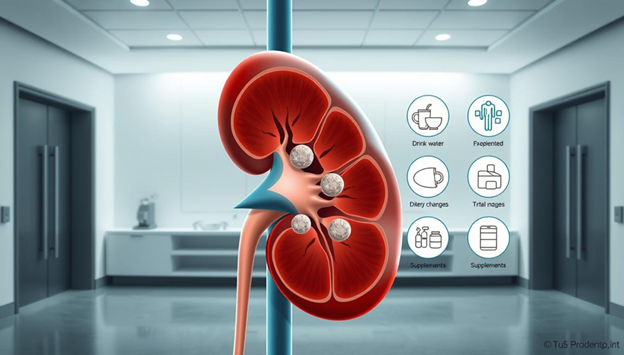
Kidney Stones: Symptoms, Types, and Prevention Guide for You
Did you know about one in eleven adults in the United States will develop this painful condition? These hard mineral deposits form in your urinary system and can cause significant discomfort.
Hot climates and certain demographics see higher rates of this health issue. Recognizing early warning signs is crucial for effective management.
This comprehensive guide will help you understand what causes these formations. You'll learn how to identify different varieties and implement effective protective strategies.
We'll cover everything from immediate relief to long-term wellness plans. Our friendly approach puts you in control of your health journey.
Key Takeaways
- Approximately 1 in 11 US adults experience this painful condition
- Climate and demographic factors influence your risk level
- Early recognition of warning signs is crucial for management
- Different varieties require specific approaches to treatment
- Protective strategies can significantly reduce your risk
- Comprehensive understanding helps in long-term wellness planning
- Proper care and management can prevent complications
Understanding Kidney Stones: What You Need to Know
Understanding what creates these solid deposits is your first step toward prevention. These hard mineral masses form inside your kidneys when certain substances become too concentrated.
Your urine normally contains dissolved minerals and salts. When there's not enough fluid to dilute them, crystals can begin to stick together. This process gradually forms what we call kidney stones.
These formations can travel through your urinary tract. As they move, they may cause blockages that lead to significant discomfort. Knowing how they develop helps you take preventive measures.
Research shows these conditions have become more common over time. In 1994, about one in twenty adults experienced them. By 2010, that number rose to one in eleven people.
Certain groups face higher risks. Men, non-Hispanic whites, and people living in warmer climates show increased prevalence rates. Hot weather can contribute to dehydration, which plays a role in stone development.
It's not just adults who need awareness. Children are experiencing more cases too. Factors like obesity and diabetes contribute to this concerning trend across all age groups.
The good news is that most kidney stones are manageable. Many pass naturally without intervention. With proper knowledge, you can reduce your risk significantly.
Simple lifestyle adjustments often make a big difference. Staying hydrated helps keep minerals dissolved in your urine. This prevents them from crystallizing into problematic formations.
Remember that early awareness is your best defense. Recognizing potential issues lets you take action before discomfort occurs. You have more control over your health than you might think.
Recognizing the Symptoms of Kidney Stones
Your body has a unique way of communicating when something isn't right with your urinary system. Learning to recognize these signals can help you take timely action and potentially avoid more serious complications.
Common Signs to Watch For
One of the most telling symptoms is intense discomfort that comes in waves. This excruciating sensation often starts in your back or side and may radiate to your lower abdomen.
As these formations travel through your ureter , the pain location can shift. You might feel it moving from your kidney area down toward your bladder . This journey through your urinary tract creates changing discomfort patterns.
Many people experience nausea and occasional voting alongside the discomfort. Shared nerve pathways between your urinary and digestive systems explain this connection. The intensity of discomfort often triggers these reactions.
You might notice changes in your urine appearance. A pink, red, or brown tint could indicate the presence of blood. This occurs when these hard formations irritate your urinary passageways.
Most people find relief when the stones pass naturally. The process can be uncomfortable but typically resolves once the formation exits your body.
When to Seek Immediate Medical Attention
Certain warning signs require prompt professional evaluation. Fever accompanied by chills suggests possible infection that needs urgent treatment.
Complete inability to urinate demands emergency care. This could indicate a blockage that requires immediate medical intervention.
If over-the-counter medications provide insufficient pain relief, consult your healthcare provider. Unmanaged discomfort might signal complications needing professional management.
Special consideration applies if you have existing health conditions or pregnancy. These situations increase your risk for complications and warrant earlier medical consultation.
Remember that timely action often prevents more serious issues. Don't hesitate to seek help when your symptoms concern you or interfere with daily activities.
""Listening to your body's signals is the first step toward effective health management.""
Exploring the Different Types of Kidney Stones
Not all urinary system formations are created equal. Understanding their composition helps you and your doctor create the right management plan.
These mineral deposits vary in their chemical makeup. Each type responds differently to treatment approaches.
Identifying your specific variety is crucial for effective prevention. The right strategy depends on what's actually forming inside you.
Calcium-Based Stones: Oxalate and Phosphate
Calcium formations represent the majority of cases. They account for about two-thirds to over ninety percent of adult occurrences.
The most frequent type combines calcium with oxalate. Calcium oxalate forms when you consume high-oxalate foods.
Spinach, nuts, and chocolate contain substantial oxalate amounts. Insufficient fluid intake also contributes to their development.
Another variation involves calcium phosphate. This form often appears in people with metabolic conditions.
Both types require similar preventive approaches. Your doctor might recommend dietary adjustments and increased hydration.
Uric Acid, Struvite, and Cystine Stones
Uric acid formations develop in acidic urine conditions. They frequently affect people who consume high-protein diets.
Men experience these more commonly than women. Genetic factors and conditions like gout increase your uric acid risk.
Struvite formations have a unique origin story. They typically develop in response to urinary tract infections.
These can grow surprisingly large quite quickly. Sometimes they require surgical intervention for removal.
Cystine formations are quite rare. They result from a hereditary condition called cystinuria.
This disorder causes excessive cystine in your urine. It accounts for about one percent of all cases.
""Knowing your stone composition transforms guesswork into targeted prevention.""
Your healthcare provider can analyze passed fragments. This information guides personalized treatment recommendations.
Different compositions respond to various dietary changes. What helps one type might not affect another.
Proper identification makes your prevention efforts more effective. You'll know exactly which lifestyle adjustments to implement.
What Causes Kidney Stones and Are You at Risk?
Certain lifestyle choices and medical conditions can significantly increase your chances of forming mineral deposits. Your personal susceptibility depends on both things you can change and factors beyond your control.
Understanding these elements helps you make informed decisions about your health. Some people face higher risks due to their genetic background or existing health conditions.
Key Risk Factors to Consider
Some influences on your urinary health cannot be changed. Your family history plays a important role - if close relatives experienced this condition, your risk increases.
Men generally face higher susceptibility than women. Certain medical conditions also elevate your chances significantly.
- Hypertension and metabolic disorders affect your body's mineral balance
- Gout and inflammatory bowel disease change how your system processes substances
- Existing diseases like diabetes can alter your urinary chemistry
- Genetic disorders may cause specific types of crystal formation
How Diet and Lifestyle Play a Role
Your daily choices dramatically impact your urinary health. Dehydration concentrates minerals in your system, making crystallization more likely.
What you eat directly influences your risk level. High-sodium foods increase calcium in your urine, while animal protein raises uric acid levels.
Oxalate-rich foods like spinach and nuts contribute to specific crystal types. Sedentary habits and obesity change your body's metabolism and urinary composition.
Even medications can affect your susceptibility. Diuretics and calcium-based antacids might increase mineral concentration in your urine.
Always discuss medication alternatives with your doctor if you're prone to formations. Your water intake remains one of the most powerful protective factors you control.
Assessing your personal situation helps you create an effective prevention plan. Simple changes like drinking more water and adjusting your diet can make a substantial difference.
""Your daily habits build either protection or vulnerability - choose wisely.""
How Kidney Stones Are Diagnosed
When you visit your doctor with discomfort, they'll use several methods to confirm what's happening. The process begins with understanding your experience and checking your overall health.
Your healthcare provider will ask about your medical background. They'll want to know about any previous episodes and family patterns. This information helps them assess your situation accurately.
Tests and Imaging Your Doctor Might Use
The first step usually involves checking your urine. A simple test can reveal important clues about what's happening inside your body.
This analysis looks for blood cells or crystals in your sample. Finding these elements helps confirm the diagnosis. It also rules out possible infections that might need different treatment.
Your doctor might order blood work too. This checks how well your organs are functioning. It provides a complete picture of your current health status.
Imaging tests show exactly what's happening internally. Ultrasound is often the first choice because it's safe and effective. It works well for most people without using radiation.
For more complex situations, CT scans provide detailed images. They show the exact size and position of any formations. This helps your medical team plan the right approach for your care.
If you pass a fragment, your doctor will want to analyze it. They might give you a special strainer to catch it in your urine. Knowing the composition helps create personalized prevention strategies.
These diagnostic methods are standard and reliable. They help your healthcare team make informed decisions about your treatment. You'll know exactly what you're dealing with and how to proceed.
""Proper diagnosis turns uncertainty into actionable knowledge for your health journey.""
Follow-up appointments ensure everything is progressing well. Your doctor will monitor any changes in your condition. This ongoing care helps prevent future complications.
Remember that these tests are designed to help you. They provide the information needed for effective management. You're taking positive steps toward better urinary health.
Treatment Options for Kidney Stones
Finding the right approach for your situation depends on several factors. Your doctor will consider the size and location of the formation before recommending a plan.
Most small formations under 4 millimeters pass naturally with proper support. Your medical team focuses on managing discomfort during this process.
Larger or stuck formations might need different approaches. Various procedures can help remove or break them into smaller pieces.
Medications to Help You Pass Stones
Your doctor might prescribe medication to ease the journey through your system. Nonsteroidal anti-inflammatory drugs often provide effective pain relief.
These medications reduce inflammation in your ureter . This helps the formation move more comfortably toward your bladder.
Alpha blockers like tamsulosin relax your urinary muscles. They make passage easier and reduce discomfort during the process.
Your doctor might also prescribe anti-nausea drugs if needed. These help manage other symptoms that sometimes accompany the main discomfort.
Always follow your healthcare provider's instructions carefully. They know which medications work best for your specific situation.
Procedures for Larger or Stuck Stones
Some formations require more active intervention. Several modern techniques can address larger or obstructive cases.
Shock wave lithotripsy uses sound waves from outside your body. These waves break the formation into smaller fragments that pass more easily.
Ureteroscopy involves a thin scope inserted through your urethra. Your doctor can see and remove the formation directly through this instrument.
Percutaneous nephrolithotomy addresses very large formations. A small tube inserted through your back allows direct removal.
Laparoscopic surgery remains an option for complex cases. This approach is rarely needed but available when necessary.
Recovery times vary from days to several weeks depending on the procedure. Your medical team will guide your aftercare carefully.
""The right treatment turns a painful experience into manageable recovery.""
Never self-medicate during an acute episode. Some common pain relievers like ibuprofen might risk further complications.
Your personalized treatment plan ensures the safest and most effective approach. Trust your healthcare provider's recommendations for your care.
Can Kidney Stones Pass on Their Own?
Good news! Your body often handles these mineral formations naturally. About 80% of cases resolve without medical procedures.
Smaller formations under 4 millimeters usually exit within one to two weeks . Larger ones might take two to three weeks to complete their journey.
The process begins when the stone moves from your kidney into the ureter. This tube connects to your bladder, where it typically waits briefly before exiting during urination.
This journey can cause significant pain as the formation travels. Once it reaches your bladder, passage usually happens quickly.
Larger formations over 6 millimeters have reduced chances of natural passage. Only about 59% of these pass spontaneously without assistance.
Your doctor might recommend medical expulsive therapy for larger cases. This approach helps relax muscles to ease the stone's path through your system.
Stay hydrated to help flush the formation through your urine. Watch for symptoms and maintain regular monitoring with your healthcare provider.
If nothing passes within four to six weeks, consult your doctor. Prolonged obstruction could affect your urinary system function.
""Your body's natural processes often handle these situations better than you might expect.""
Medical evaluation ensures no blockages or complications develop. Your doctor can confirm the size and position through imaging tests.
Remember that most people experience successful natural passage. Your body knows how to handle these situations with proper support.
Preventing Kidney Stones: Your Action Plan
Taking control of your urinary health starts with simple daily choices. These practical steps can significantly reduce your chances of developing painful mineral formations.
Your personalized plan combines smart lifestyle adjustments with medical guidance when needed. Consistency matters more than perfection in your prevention journey.
Daily Habits That Make a Difference
Hydration forms the foundation of your protection plan. Aim for 2.5 to 3 liters of water daily to keep your urine dilute and clear.
Pale yellow urine indicates proper hydration levels. This simple visual check helps you maintain optimal fluid balance throughout your day.
Your diet plays a crucial role in prevention. Limit sodium intake to reduce excess calcium in your urinary system.
Moderate animal protein consumption helps control uric acid production. Balance these proteins with plenty of fruits and vegetables.
Include calcium-rich foods rather than supplements. Dietary calcium binds with oxalate in your digestive system before it reaches your kidneys.
Citrate-rich options like lemonade may offer additional protection. These help create a less favorable environment for crystal formation.
When Medical Support Becomes Necessary
Some situations benefit from professional intervention. Recurrent formations might require prescribed medication for better control.
Thiazide diuretics help reduce calcium excretion in urine. Allopurinol addresses uric acid issues for specific formation types.
Potassium citrate supplements can alkalize your urine effectively. This creates an environment less conducive to crystal development.
Regular monitoring ensures your health remains protected long-term. Your doctor checks potassium levels and liver function during treatment.
Always work with your healthcare provider to tailor your approach. They consider your specific formation type and metabolic testing results.
""Small consistent actions create powerful protection against urinary health issues.""
Your prevention plan evolves with your changing needs. Regular check-ins with your medical team keep your strategy effective and safe.
Remember that every positive choice supports your overall well-being. Your body responds gratefully to consistent, thoughtful care.
Special Considerations for Different Groups
Your urinary health needs change throughout life's different stages. Some situations require extra attention and specialized approaches.
Young people and expectant mothers face unique challenges with mineral formations. Understanding these differences helps you get the right support when needed.
Kidney Stones in Children
Pediatric cases have become more common in recent years. Obesity, diabetes, and hypertension contribute to this concerning trend.
Young patients often have underlying metabolic or structural issues. These conditions increase their susceptibility to crystal formation.
Children typically experience similar symptoms as adults. However, they might need more thorough evaluation for genetic causes.
Doctors look carefully for inherited disorders or anatomical variations. This comprehensive approach ensures proper long-term management.
Prevention remains the cornerstone of pediatric care . Safe treatment options focus on minimizing discomfort while addressing root causes.
Kidney Stones During Pregnancy
Expectant mothers face unique challenges with urinary health. Physiological changes during gestation affect your system's balance.
Up to 75% of formations during this period contain calcium phosphate. Increased urine pH and stasis create favorable conditions for these crystals.
Diagnosis and treatment options become more limited due to fetal safety concerns. Imaging techniques must protect the developing baby.
This condition may increase risk for preterm labor in some cases. Careful monitoring helps manage potential complications.
Conservative management is usually preferred during this special time. Procedures are only considered when absolutely necessary for maternal health.
""Specialized care transforms challenging situations into manageable health journeys.""
Both groups benefit from tailored approaches and close medical supervision. Your healthcare team creates personalized plans considering all factors.
Remember that effective management is always possible with proper support. You can navigate these special situations successfully with expert guidance.
Living with Kidney Stones: Long-Term Management
Your journey doesn't end after passing that first painful formation. Many people experience repeat episodes without proper ongoing attention to their urinary health.
Staying proactive becomes your new normal when you've dealt with these mineral deposits before. Regular check-ups help catch potential issues early when they're easiest to address.
Your doctor becomes your partner in this ongoing wellness plan. They'll monitor your system through periodic imaging tests and urine analysis.
These appointments help track any new developments in your urinary tract. Early detection means simpler solutions and less discomfort down the road.
Your daily habits form the foundation of your protection strategy. Consistent hydration keeps minerals dissolved and moving through your system smoothly.
Aim for that clear, pale yellow urine that signals proper fluid balance. This simple visual check keeps you on track with your hydration goals throughout the day.
Your eating patterns need thoughtful adjustment too. Limit sodium-rich foods that increase calcium excretion in your urine.
Moderate animal protein intake while maintaining balanced nutrition. Include calcium from food sources rather than supplements for better oxalate control.
For recurrent situations, metabolic testing provides valuable insights. Your doctor might recommend a 24-hour urine collection to analyze your specific chemistry.
This detailed information helps tailor your prevention plan perfectly. Medications like thiazides or citrate supplements might be prescribed based on your results.
""Consistent management turns vulnerability into confident control over your urinary health.""
Keep detailed records of your personal health journey. Note your formation type, treatment approaches, and any pattern you observe.
This information becomes invaluable for future medical consultations. It helps your healthcare team make informed decisions quickly when needed.
Stay alert for any familiar sensations or changes in your urine. Prompt attention to potential warning signs prevents complications from developing.
Your active participation makes all the difference in long-term success. Small daily choices build powerful protection against repeat episodes.
Remember that you have more control than you might realize. With consistent effort and proper medical support, you can maintain excellent urinary tract health for years to come.
Conclusion
You now have the knowledge to confidently navigate urinary mineral formations and maintain excellent health. These common issues are manageable with proper understanding and care.
Many smaller formations pass naturally, while medical treatment helps with larger ones. Your daily hydration and dietary choices form the foundation of effective prevention.
Always seek professional care for severe symptoms or persistent issues. Work closely with your healthcare provider to create a personalized plan that addresses your specific risk factors.
Adopting healthy water intake and balanced nutrition helps you stay formation-free. With this knowledge, you can enjoy better quality life while protecting your urinary wellness.
FAQ
What are the most common signs that you might have a kidney stone?
You might experience sharp, severe pain in your back or side, pain when urinating, pink or brown urine, nausea, and a constant need to go to the bathroom.
How long does it usually take for a stone to pass on its own?
Most small stones pass within a few days to three weeks. Drinking plenty of water can help move things along, but if pain is severe or you develop a fever, seek care right away.
What are the main types of stones, and how are they different?
The most common type is calcium oxalate. Others include uric acid, struvite (often linked to infections), and cystine stones (due to a genetic disorder). Your doctor can test to determine your specific type.
Can your diet really help prevent them from forming?
Absolutely! Staying hydrated is key. Limiting sodium and animal protein, and eating less oxalate-rich foods (like nuts and spinach) if you form calcium oxalate stones, can significantly lower your risk.
When is surgery or a medical procedure necessary?
Procedures are typically needed if a stone is too large to pass, is causing a blockage, leads to an infection, or if the pain is unmanageable. Common treatments include shock wave lithotripsy or ureteroscopy.
Are some people more likely to get stones than others?
Yes. Risk factors include a family history, not drinking enough fluids, certain diets high in sodium or protein, health conditions like diabetes, and being a man, as they are more commonly affected.
Can children get kidney stones?
While less common in kids, they can still occur. Factors like a high-sodium diet, not drinking enough water, or certain metabolic disorders can contribute. The symptoms and treatment are similar to those for adults.