
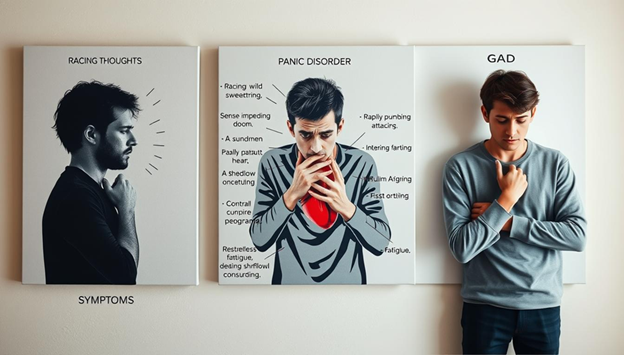
GAD vs Panic Disorder: Signs and Treatment Options Explained
Welcome to this helpful guide about two common mental health challenges many people face. You might be wondering about the differences between persistent worry and sudden intense fear episodes. These experiences can significantly impact your daily life and overall well-being.
We'll explore how these conditions manifest through various symptoms. Understanding these patterns is crucial for recognizing what you might be experiencing. Getting the right information empowers you to take control of your health journey.
This article breaks down the distinct characteristics of each condition. You'll learn about effective approaches for managing these challenges. We'll provide practical insights in a supportive, easy-to-understand way.
By the end, you'll have a clearer picture of these anxiety-related experiences. Knowledge helps you make informed decisions about your mental wellness. Let's begin this important conversation together.
Key Takeaways
- Two distinct anxiety conditions affect people differently in their daily lives
- Recognizing specific symptoms helps identify what you might be experiencing
- Proper understanding leads to more accurate diagnosis and care approaches
- Multiple treatment methods exist for managing these mental health challenges
- Knowledge empowers you to make confident decisions about your wellness journey
- Both conditions require different management strategies for optimal results
- Early recognition of patterns leads to more effective long-term outcomes
Understanding Anxiety Disorders: GAD and Panic Disorder
Understanding different anxiety patterns can be the first step toward better mental health management. These conditions affect millions of people across the United States. Knowing what you're experiencing helps you seek appropriate support.
What are anxiety disorders?
Anxiety disorders represent a group of mental health conditions. They cause intense fear and worry that feels out of proportion to actual situations. These feelings can significantly impact your daily functioning.
These disorders rank among the most common mental health issues seen by healthcare providers. They affect people's relationships, work performance, and overall quality of life. Recognizing them as real medical conditions helps reduce stigma.
Generalized anxiety disorder and panic disorder are two frequently diagnosed types. Both can create challenging experiences that require proper understanding and care.
How common are GAD and Panic Disorder?
These anxiety disorders affect a substantial portion of the adult population. Approximately 8% of Americans experience generalized anxiety disorder during their lifetime. About 5% will face panic disorder at some point.
Women face higher risks for developing these conditions. They are two to three times more likely to experience both disorders compared to men. This gender difference highlights the importance of personalized care approaches.
These statistics show that you're not alone if you're dealing with these challenges. Many people successfully manage these conditions with proper support and treatment.
Why proper diagnosis matters for your mental health
Getting an accurate diagnosis is crucial for effective management. People with anxiety disorders often have other health conditions. Proper identification ensures you receive the right approach for your specific needs.
Correct diagnosis leads to appropriate treatment strategies. It helps healthcare providers create personalized plans that address your unique situation. This precision improves your chances of successful management.
Understanding your specific condition empowers you to make informed decisions. It reduces uncertainty and helps you navigate your mental health journey with confidence.
What is Generalized Anxiety Disorder (GAD)?
Let's explore one specific type of anxiety that affects many people's daily experiences. This condition involves more than just occasional nervousness. It creates a persistent pattern that can influence various aspects of your life.
The nature of persistent worry in GAD
People with this condition experience excessive worry about everyday situations. Unlike normal concerns, these anxious feelings become difficult to control. They often focus on routine matters like work responsibilities or family safety.
The worrying thoughts tend to be disproportionate to actual circumstances. You might find yourself anticipating disaster in relatively normal situations. This pattern creates ongoing tension that affects your emotional well-being.
DSM-5 diagnostic criteria for GAD
Mental health professionals use specific guidelines to identify this condition. The Diagnostic and Statistical Manual outlines clear parameters for diagnosis. These standards help ensure accurate assessment and appropriate care.
Key requirements include excessive anxiety occurring most days for at least six months. The worry must cause significant distress or impairment in functioning. Several physical or cognitive symptoms should accompany these anxious feelings.
Common indicators include restlessness, fatigue, and concentration problems. Muscle tension and sleep disturbances also frequently appear. These elements combine to form a comprehensive diagnostic picture.
How GAD affects your daily life
Living with constant worry can impact multiple areas of your experience. You might notice effects on your work performance and personal relationships. Daily tasks that others find simple may feel overwhelming.
Common challenges include:
- Difficulty maintaining focus during conversations or tasks
- Physical discomfort like headaches or stomach issues
- Trouble falling or staying asleep through the night
- Irritability that affects interactions with others
- Avoidance of situations that might trigger anxious feelings
Many people develop this condition during their late teens or early adulthood. However, it can emerge at any stage of life. Recognizing these patterns early helps you seek appropriate support.
The constant mental chatter of ""what if"" scenarios can be exhausting. It might feel like your mind never gets a break from worrying. This emotional burden can make joyful moments harder to fully experience.
Understanding these aspects helps you recognize what you might be experiencing. Knowledge empowers you to take positive steps toward management and relief.
What is Panic Disorder?
Imagine suddenly feeling an overwhelming sense of terror that seems to come out of nowhere. This experience characterizes a specific type of anxiety condition that differs from constant worry. It involves sudden, intense episodes that can disrupt your daily activities.
These unexpected events create a unique pattern of emotional and physical responses. Understanding this condition helps you recognize what you might be experiencing. Knowledge empowers you to seek appropriate support and management strategies.
Understanding panic attacks and their characteristics
Panic attacks represent the core feature of this anxiety condition. They strike without warning, often when you feel completely relaxed. The intensity can make you feel like you're facing immediate danger.
Physical symptoms typically include heart palpitations, which many people describe as their heart racing or pounding. Sweating and trembling often accompany these episodes. Shortness of breath can make you feel like you're struggling for air.
Other common experiences include nausea, dizziness, and chills or hot flashes. Some people report chest pain during these intense moments. The fear of dying or losing control often overwhelms your thoughts.
DSM-5 diagnostic criteria for Panic Disorder
Mental health professionals follow specific guidelines for identifying this condition. The Diagnostic and Statistical Manual outlines clear parameters for diagnosis. These standards ensure accurate assessment and appropriate care planning.
Key requirements include recurrent unexpected panic attacks. At least one attack must be followed by persistent concern about additional episodes. This worry typically lasts for a month or longer.
Diagnosis requires at least four physical or cognitive symptoms during attacks. These may include the symptoms mentioned earlier. The condition significantly impacts your daily functioning and quality of life.
The cycle of fear and avoidance in Panic Disorder
After experiencing an attack, many people develop anticipatory anxiety. This creates a cycle where you worry about when the next episode might occur. The constant anticipation can become exhausting.
This pattern often leads to avoidance behaviors. You might start avoiding places or situations where attacks previously happened. Some people develop significant lifestyle limitations as a result.
The cycle typically follows this pattern:
- Initial unexpected panic attack occurs
- Persistent worry develops about future episodes
- Avoidance behaviors emerge to prevent attacks
- Quality of life becomes increasingly limited
- The cycle reinforces itself without intervention
Breaking this pattern requires understanding and appropriate support. Recognizing these elements helps you take positive steps toward management. Professional guidance can help you develop effective coping strategies.
Comparing Symptoms: GAD vs Panic Disorder
When you're trying to understand what you're experiencing, symptom patterns tell an important story. These two anxiety conditions create very different experiences in your body and mind. Knowing these differences helps you communicate more effectively with healthcare providers.
Your physical responses can reveal which condition you might be dealing with. The intensity and timing of symptoms provide crucial clues. Let's explore how these manifestations differ between the two experiences.
Physical symptoms comparison
The physical aspects of these conditions feel dramatically different. One creates ongoing discomfort while the other brings intense, sudden episodes.
Generalized anxiety typically shows up as chronic physical sensations. You might experience persistent muscle tension that never quite goes away. Digestive issues and frequent headaches often accompany daily worry.
Fatigue becomes a constant companion with this type of anxiety. Restlessness makes it hard to relax even during quiet moments. Sleep problems frequently disrupt your nightly rest.
Panic attacks create entirely different physical experiences. Your heart might suddenly race or pound during these episodes. Chest pain and shortness of breath can make you feel like you're in immediate danger.
Trembling and sweating often appear without warning. Some people experience nausea or dizziness during these intense moments. Chills or hot flashes might sweep through your body unexpectedly.
Psychological symptoms differences
Your mental and emotional experiences also follow distinct patterns. The focus of worry differs significantly between these two conditions.
With generalized anxiety, your concerns typically revolve around everyday life. You might constantly worry about work responsibilities or family safety. These thoughts feel persistent and difficult to control.
Panic-related anxiety focuses primarily on future attacks. You might develop intense fear about when the next episode will strike. Concerns about losing control or ""going crazy"" often dominate your thinking.
The psychological burden varies in its nature and focus. One condition creates background worry about daily matters. The other generates fear about the anxiety experience itself.
Duration and pattern of symptoms
Timing plays a crucial role in distinguishing these anxiety experiences. How long symptoms last and when they occur provides important diagnostic information.
Generalized anxiety requires six months of persistent symptoms for diagnosis. The worry feels like a constant background presence in your life. It rarely disappears completely, though intensity may fluctuate.
Panic attacks typically last minutes to hours at their peak intensity. The worry about future attacks becomes an ongoing concern between episodes. This creates a cycle of anticipation and avoidance.
Understanding these timing patterns helps identify what you're experiencing. One condition maintains a steady presence while the other strikes in dramatic waves. Recognizing these differences empowers you to seek appropriate support.
Causes and Risk Factors for Both Conditions
Many factors come together to influence how these mental health challenges develop over time. Understanding these elements helps you see the bigger picture of your experience. This knowledge can guide you toward more effective management strategies.
These anxiety conditions don't have single causes. Instead, multiple influences work together in complex ways. Your unique combination of factors shapes your personal experience.
Biological factors and brain chemistry
Your brain's wiring plays a significant role in how you respond to fear. Specific circuits may become overstimulated when facing stressful situations. This biological sensitivity can make you more vulnerable to anxiety challenges.
Neurotransmitter imbalances contribute to these experiences. Serotonin levels particularly influence mood regulation and emotional responses. When this system doesn't function optimally, it can heighten anxious feelings.
Brain imaging studies show differences in how certain regions process threats. The amygdala, which handles fear responses, may be more reactive. Understanding these biological aspects helps explain why treatment approaches work.
Environmental triggers and life experiences
Your personal history significantly impacts your anxiety levels. Childhood experiences shape how you cope with stress as an adult. Traumatic events or ongoing adversity can increase vulnerability.
Major life transitions often trigger these conditions. Moving, changing jobs, or relationship shifts create stress that may overwhelm your coping resources. Even positive changes can activate anxiety responses.
Substance use patterns influence your mental health. Caffeine and other stimulants can exacerbate nervous system arousal. Alcohol and drug use may provide temporary relief but often worsen symptoms over time.
Genetic predisposition and family history
Your genetic makeup contributes to your anxiety risk. Studies show these conditions tend to run in families. If close relatives experience similar challenges, your likelihood increases.
Research indicates approximately one-third of generalized anxiety has genetic roots. For panic-related experiences, nearly half involves hereditary factors. This doesn't mean you're destined to develop these conditions.
Your temperament and personality traits also play roles. Some people naturally have more sensitive nervous systems. These innate characteristics interact with life experiences to shape your anxiety patterns.
Understanding these risk factors empowers you to make positive changes. While you can't alter genetics, you can manage environmental influences. This knowledge helps you work effectively with healthcare providers.
Getting an Accurate Diagnosis
Taking the step toward proper identification of your experiences can feel empowering. Getting the right diagnosis opens doors to effective management strategies. This process helps you understand what you're dealing with and how to address it.
Healthcare professionals follow specific protocols to identify mental health challenges. They use established guidelines and screening tools during evaluations. This systematic approach ensures you receive appropriate care for your unique situation.
When to seek professional help
Consider reaching out when your experiences significantly impact daily life. If anxiety symptoms cause persistent distress, it's time to consult a professional. Many adults wait too long before seeking proper evaluation.
Watch for these signs that indicate professional help might be beneficial:
- Your worry or fear interferes with work or relationships
- Physical symptoms disrupt your normal activities
- You avoid certain situations due to anxiety
- Self-care strategies don't provide adequate relief
- Your quality of life feels consistently diminished
Diagnostic tools and screening methods
Healthcare providers use validated instruments during assessments. These tools help measure the severity and nature of your experiences. They provide objective data to guide diagnosis and treatment planning.
The GAD-2 and GAD-7 screeners effectively identify generalized anxiety patterns. For panic-related conditions, the Patient Health Questionnaire offers accurate screening. These tools help professionals understand your specific symptoms.
Your provider might use additional assessments based on your presentation. Comprehensive evaluation often includes discussion of your medical history. This thorough approach ensures nothing gets overlooked.
Differential diagnosis: ruling out other conditions
Many health conditions can mimic anxiety disorder symptoms. Proper diagnosis requires eliminating these other possibilities. This process ensures you receive the most appropriate care.
Medical issues like hyperthyroidism can create anxiety-like experiences. Heart and lung diseases sometimes produce similar physical symptoms. Neurological conditions may also require consideration during evaluation.
Substance use or medication withdrawal can trigger anxiety manifestations. Your provider will ask about any substances you might be using. This information helps distinguish between different possible causes.
Co-occurring conditions like depression often accompany anxiety disorders. Your evaluation should assess for these additional challenges. Comprehensive assessment leads to more effective treatment planning.
Getting the right diagnosis forms the foundation for your recovery journey. It guides your healthcare team in developing personalized strategies. This precision helps you move forward with confidence and clarity.
GAD vs Panic Disorder: Signs and Treatment Options
Modern treatment options offer hope and practical solutions for managing anxiety. These evidence-based approaches can significantly improve your quality of life. Understanding available options helps you make informed decisions about your care.
First-line treatment approaches for both conditions
Healthcare providers typically recommend specific medications as initial treatment. Selective serotonin reuptake inhibitors (SSRIs) and serotonin-norepinephrine reuptake inhibitors (SNRIs) are commonly prescribed. These antidepressants help regulate brain chemistry effectively.
These medications are generally well-tolerated with fewer side effects than older options. They work by balancing neurotransmitters that influence mood and anxiety responses. Most people experience significant improvement within several weeks.
Psychotherapy represents another powerful treatment approach. Cognitive Behavioral Therapy (CBT) shows strong effectiveness for both anxiety conditions. This therapy helps you identify and change unhelpful thought patterns.
For panic-related experiences, interoceptive exposure techniques prove particularly beneficial. This approach safely induces physical sensations similar to panic symptoms. You learn to manage these feelings without fear or avoidance.
How treatment plans differ between conditions
While both conditions respond to similar treatments, some differences exist in approach. Medication choices may vary based on your specific symptom patterns. Your provider considers which symptoms dominate your experience.
Therapy techniques often emphasize different aspects depending on your condition. Constant worry requires different strategies than sudden panic episodes. Your therapist tailors exercises to address your unique challenges.
Treatment duration follows similar guidelines for both conditions. Providers recommend continuing medication for six to twelve months after improvement. This maintenance period helps prevent symptom recurrence.
Benzodiazepines are not recommended as first-line therapy due to dependency risks. These medications can cause withdrawal symptoms and tolerance issues. Most providers reserve them for short-term use in specific situations.
Setting realistic expectations for treatment outcomes
Understanding what to expect from treatment helps you stay committed to the process. Improvement typically occurs gradually rather than overnight. Most people notice significant changes within several weeks to months.
Combination treatment often provides the best outcomes for many people. Using both medication and therapy together can address multiple aspects of your experience. This comprehensive approach supports lasting improvement.
Your treatment plan should be personalized based on your specific needs. Providers consider your symptom severity, preferences, and lifestyle factors. This customization ensures the approach works well for your situation.
Treatment requires time and may need adjustments along the way. Don't get discouraged if the first approach doesn't work perfectly. Your provider can modify your plan based on your response and feedback.
Realistic expectations include understanding that management is often ongoing. Many people maintain treatment benefits long-term with proper support. You can learn techniques that serve you throughout your life journey.
Living with and Managing Your Anxiety
Taking charge of your mental health journey involves practical strategies you can use every day. These approaches complement formal treatment and help you build resilience. You'll discover how small changes can make a big difference in your overall well-being.
Daily coping strategies and lifestyle adjustments
Regular physical activity significantly reduces anxiety symptoms. Exercise programs release endorphins that naturally improve your mood. Even short walks can help manage stressful feelings.
Mindfulness practices offer powerful tools for daily management. Meditation and yoga help you stay present in the moment. These techniques teach you to observe thoughts without judgment.
Healthy sleep habits support your mental wellness. Consistent sleep schedules improve emotional regulation. Avoiding screens before bed can enhance sleep quality.
Nutrition plays a role in managing anxiety symptoms. Balanced meals stabilize your energy throughout the day. Limiting caffeine and sugar helps prevent energy crashes.
Relaxation techniques address physical tension effectively. Deep breathing exercises calm your nervous system. Progressive muscle relaxation reduces bodily stress.
Building your support system
Strong relationships provide emotional safety nets during challenging times. Supportive friends and family members offer understanding and encouragement. They can help you navigate difficult moments.
Support groups connect you with people facing similar challenges. Sharing experiences reduces feelings of isolation. These connections provide practical advice and emotional validation.
Professional support remains crucial for comprehensive management. Therapists offer evidence-based techniques for symptom reduction. They help you develop personalized coping strategies.
Open communication strengthens your support network. Expressing your needs clearly helps others understand how to help. This honesty fosters deeper, more supportive relationships.
When to consider adjusting your treatment plan
Persistent symptoms despite treatment indicate need for adjustment. If you experience ongoing difficulty managing daily life, consult your provider. They can modify your approach based on your current needs.
Watch for these signs that your plan might need changes:
- Symptoms continue interfering with work or relationships
- Physical discomfort like muscle tension persists
- You struggle implementing recommended techniques
- New stressors emerge that overwhelm current strategies
- Your quality of life doesn't improve as expected
Some people benefit from specialist referrals when initial treatments aren't fully effective. These experts offer advanced approaches for complex cases. They bring additional expertise to your care team.
Addressing co-occurring conditions ensures comprehensive management. Substance use issues require simultaneous treatment for best results. Integrated care addresses all aspects of your health.
Regular check-ins with your provider help track progress effectively. These appointments allow for timely adjustments to your plan. They ensure your approach remains aligned with your current needs.
Conclusion
Your journey toward better mental health begins with understanding your experiences. Recognizing the patterns of anxiety helps you seek appropriate care.
Professional treatment offers real hope for managing these conditions. Most people find significant relief through evidence-based approaches.
Early intervention typically leads to better outcomes. Reaching out for help shows strength and commitment to your well-being.
Effective therapy and proper medication can transform your quality of life. You're not alone---millions successfully manage these challenges every day.
With the right support, you can build lasting coping skills. Your path toward better health starts with that first courageous step.
FAQ
How can I tell if I have generalized anxiety or panic disorder?
If you experience constant, excessive worry about everyday life that's hard to control, it might be generalized anxiety. If you have sudden, intense episodes of fear with physical symptoms like chest pain or shortness of breath, it could be panic disorder. A healthcare provider can help you get the right diagnosis.
What are common treatment options for these mental health conditions?
Treatment often includes therapy---like cognitive behavioral therapy---and sometimes medication. Lifestyle changes, stress management, and support from loved ones also play a big role in managing symptoms and improving your quality of life.
Can these disorders occur together?
Yes, it's possible to have both conditions at the same time. Many people experience overlapping symptoms, which is why a thorough evaluation by a mental health professional is so important for creating an effective treatment plan.
Are panic attacks the same as a panic disorder?
Not necessarily. A panic attack is a single episode of intense fear and physical symptoms. Panic disorder involves recurring, unexpected panic attacks and ongoing fear of having more attacks. Occasional panic attacks can happen without a full-blown disorder.
How do I know when it's time to seek help?
If anxiety or panic interferes with your daily life, relationships, or happiness, it's a good idea to reach out. You don't have to struggle alone---effective help is available, and early intervention often leads to better outcomes.