
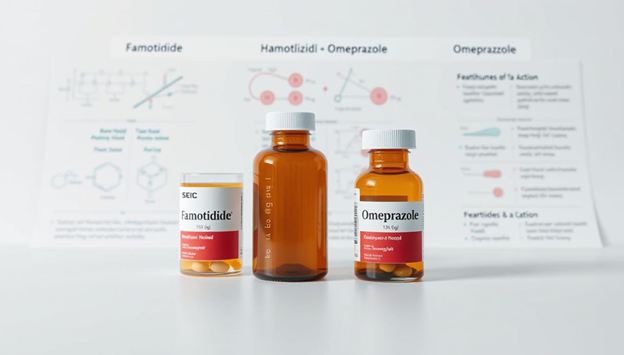
Famotidine vs Omeprazole: Heartburn Relief Comparison Guide
Dealing with that burning feeling in your chest? You're not alone. Many people face discomfort from stomach acid issues.
This guide helps you understand two popular options. We'll break down how they work differently in your body.
One medication works quickly but doesn't last as long. The other takes more time to start but provides extended relief.
Both are available without prescription and with a doctor's order. Always talk to your healthcare provider about what's best for your specific situation.
Understanding these differences can help you manage symptoms better. Let's explore how each one tackles acid problems.
Key Takeaways
- One option provides faster relief while the other offers longer-lasting protection
- These medications work through different mechanisms in your body
- Both are available over-the-counter and by prescription
- Common conditions like GERD respond differently to each treatment
- Always consult your doctor before starting any new medication regimen
- Side effects can occur with both types of acid-reducing drugs
- Personal health factors should guide your choice between these options
Understanding Your Heartburn Relief Options: Famotidine and Omeprazole
That uncomfortable burning sensation creeping up your chest? It's more than just a passing annoyance. It's your body signaling that stomach acid is moving where it shouldn't be.
Knowing what's happening inside helps you make smarter choices about treatment. Let's explore what creates that fiery feeling and how different approaches can help.
What is Heartburn and GERD?
Heartburn occurs when stomach acid flows back into your esophagus. This backflow causes irritation and that familiar burning sensation. It's technically called acid reflux.
When reflux happens frequently, it becomes GERD. This stands for gastroesophageal reflux disease. GERD is a chronic condition requiring ongoing management.
Both situations involve excessive acid production. Your body creates more acid than your system can handle comfortably.
Why Comparing These Two Medications Matters for You
Not all acid-reducing drugs work the same way. Understanding their differences helps you pick what fits your needs.
Famotidine belongs to a class called H2 blockers. It works by blocking histamine receptors in your stomach. This action reduces acid production relatively quickly.
Omeprazole operates differently as a proton pump inhibitor. It targets the tiny pumps that release acid into your stomach. This creates more sustained acid control.
Your choice depends on your symptoms. Do you need immediate relief or longer-term management?
This knowledge empowers you to have better conversations with your healthcare provider. Together, you can select the most appropriate medication for your specific situation.
Remember that every person's body responds differently to medications. What works for others might not work the same for you.
Understanding these options puts you in control of your comfort and health.
Famotidine vs Omeprazole: How They Work Differently
Ever wonder why some acid-reducing medications work faster while others last longer? The secret lies in their unique approaches to calming your stomach.
These two popular options tackle the same problem through completely different pathways. Understanding their mechanisms helps you choose what fits your needs best.
Famotidine: The H2 Blocker
Famotidine belongs to a class called H2 blockers. It works like a friendly bouncer at your stomach's acid production party.
This medication blocks histamine from activating H2 receptors on stomach cells. When these receptors can't receive signals, your body reduces acid production.
You'll typically feel relief within about an hour. This makes it great for those sudden flare-ups that catch you by surprise.
The effects are relatively quick but don't last as long as some other options. It's perfect for occasional discomfort rather than constant management.
Omeprazole: The Proton Pump Inhibitor
Omeprazole takes a different approach as a proton pump inhibitor. It goes straight to the source of your acid production.
This medication targets the tiny pumps that release acid into your stomach. By inhibiting these proton pumps, it blocks the final step in acid creation.
It may take several days to reach its full effect. Once it does, you get more sustained acid control throughout your day.
The result is a more profound and lasting reduction in discomfort. This makes it ideal for managing chronic conditions that need ongoing attention.
Both approaches have their place in your wellness toolkit. Your choice depends on whether you need quick help or longer-term management.
Speed and Duration: How Fast Do They Work and How Long Do They Last?
When that sudden discomfort hits, timing becomes everything in finding relief. The speed at which your medication starts working can make a big difference in your day.
These two approaches offer different timelines for comfort. Understanding their timing helps you plan your use effectively.
Famotidine's Quicker Onset
Famotidine gets to work quickly when you need immediate help. You'll typically notice effects within about one hour after taking it.
This makes it perfect for those surprise moments when stomach issues appear. Many people take it right before meals known to trigger discomfort.
The relief lasts for approximately twelve hours. You might need two doses per day for continuous coverage.
Omeprazole's Longer-Lasting Effect
Omeprazole takes a different approach to managing your symptoms. It requires several days of consistent use to reach its full potential.
Once established in your system, it provides around-the-clock acid control. A single daily dose keeps working for about twenty-four hours.
This makes it ideal for ongoing management rather than sudden flare-ups. The sustained action helps prevent symptoms before they start.
Your choice between these medications depends on your lifestyle and symptom patterns. Quick relief works for occasional needs while sustained protection suits daily management.
Always discuss timing and frequency with your healthcare provider. They can help you create the perfect schedule for your situation.
Conditions Treated by Famotidine and Omeprazole
Your specific symptoms and diagnosis play a crucial role in determining which medication works best for you. Both options tackle acid-related issues but excel in different areas.
Understanding what each one addresses helps you make informed decisions with your healthcare provider. The right choice depends on your particular digestive needs.
Common Uses for Both Medications
These drugs share several important applications for digestive health. They both effectively manage common acid-related conditions that affect many people.
Both work well for GERD symptoms and provide relief from excess stomach acid . They can help heal erosive esophagitis caused by acid reflux.
Various types of ulcers respond to both treatments. This includes stomach and duodenal ulcers that cause discomfort.
Unique Applications for Each Drug
Each medication has special strengths beyond their shared use. Your doctor might choose one based on your specific situation.
One option helps prevent NSAID-induced ulcers in people taking certain pain medications regularly. This protective effect makes it valuable for long-term use.
The other medication works with antibiotics to eradicate H. pylori infections. This combination approach addresses the bacterial cause of some digestive conditions.
Over-the-counter versions primarily address occasional discomfort. Prescription strengths handle more serious conditions involving excessive acid production.
Your doctor will consider whether you need immediate relief or ongoing management. Chronic gerd might require different treatment than occasional gerd symptoms.
Always discuss your full medical history with your healthcare provider. They can recommend the best option for your particular needs.
Dosage and Administration: How to Take Them Correctly
Getting the right amount makes all the difference in managing your symptoms effectively. Proper timing and consistent habits ensure you receive maximum benefits from your treatment plan.
Following directions carefully helps avoid under-dosing or taking too much. Your comfort and safety always come first when using any medication.
Standard Adult Dosages for Heartburn and GERD
Over-the-counter options typically come in lower strengths for occasional needs. The standard dosage for one medication is 10-20 mg as needed.
Prescription strengths offer higher amounts for more severe cases. Doctors may prescribe 20-40 mg twice daily for persistent symptoms.
The other option follows a different pattern for daily management. Its OTC version suggests 20 mg once daily for 14-day courses.
Prescription strengths range from 20-40 mg taken once per day . Many people find this schedule convenient for long-term symptom control.
Important Considerations for Children's Use
Pediatric dosing requires special attention to age and weight factors. One medication is approved for infants while the other works for babies one month and older.
Weight-based calculations ensure children receive appropriate amounts. Never guess when it comes to your child's medication.
Always consult your healthcare provider before giving any acid-reducing drugs to children. They will determine the correct dosage based on individual needs.
Tips for Maximizing Effectiveness
Timing your intake correctly enhances how well these treatments work. Take one option 15-60 minutes before eating for best results.
The other medication works most effectively when taken before a meal. This timing helps your body absorb the medication properly.
Follow package instructions about maximum daily use. Don't exceed recommended limits without medical guidance.
Store tablets in their original container away from moisture and heat. Proper storage maintains their strength and effectiveness.
Pay attention to potential side effects and report any concerns to your doctor. They can adjust your treatment if needed.
Safety First: Understanding Side Effects and Risks
Knowing what to expect from your treatment helps you stay prepared and confident. Every medication comes with potential reactions, but being informed makes you a smarter healthcare partner.
Understanding these possibilities helps you recognize normal responses versus concerns needing attention. Let's explore what you might experience with these popular options.
Common Side Effects of Famotidine and Omeprazole
Most people tolerate these medications well with minimal issues. Temporary reactions are usually mild and disappear as your body adjusts.
For one option, common side effects include headache and occasional dizziness. These typically resolve within a few days of starting treatment.
The other medication might cause abdominal discomfort or digestive changes. Some people experience minor gastrointestinal adjustments during the first week.
Remember that individual responses vary greatly between different people. Your experience might differ from what others report.
Serious and Long-Term Risks to Discuss with Your Doctor
While rare, some situations require immediate medical attention. Long-term use of certain drugs carries specific considerations worth discussing.
One medication may rarely affect mental clarity in older adults. Confusion or memory issues should prompt a conversation with your healthcare provider.
The other option has been associated with nutrient absorption changes over time. Extended use might affect magnesium levels or bone health in some cases.
There's also a small risk of kidney-related changes with prolonged use of certain formulations. Regular monitoring helps catch any concerns early.
These situations underscore why professional guidance matters for long-term treatment plans.
Precautions for Specific Health Conditions
Your existing health status influences which option works best for you. Some conditions require special attention when using acid-reducing treatments.
People with kidney concerns might need dosage adjustments with certain medications. Your doctor can determine the safest approach for your situation.
Some treatments interact with blood thinners and other important drugs. Always share your complete medication list with your healthcare team.
Long-term users might benefit from periodic nutrient level checks. Supplementation can address any deficiencies that might develop over time.
""Knowledge about potential medication effects empowers patients to make informed decisions alongside their healthcare team.""
Your awareness of these possibilities makes you an active participant in your care. Discuss any concerns with your healthcare provider before starting new treatments.
Remember that most people use these options without significant issues. Being informed simply helps you navigate your wellness journey more confidently.
Cost, Insurance, and Accessibility
Managing your budget while getting effective treatment shouldn't add stress to your life. Understanding pricing and coverage options helps you make smart choices for your health and wallet.
Both generic and brand name versions offer the same therapeutic benefits. The main difference often comes down to what fits comfortably in your budget.
Comparing the Price of Brand Name vs. Generic
Generic versions provide significant savings without sacrificing quality. You can find famotidine for as low as $5 for 60 tablets with available coupons.
The brand name equivalent might cost around $40 for the same quantity. This represents substantial savings when choosing generic options.
Omeprazole follows a similar pattern with generics priced around $8 for 30 capsules. The brand version can reach approximately $170 for the same supply.
Multiple studies confirm generic medications work just as effectively as their brand counterparts. You get the same relief without the premium price tag.
Insurance Coverage and Savings Options
Most insurance plans cover both types of these helpful drugs. Medicare and private insurance typically include them in their formularies.
Your out-of-pocket costs might vary depending on your specific plan details. Always check with your provider about coverage before purchasing.
Several savings options can further reduce your expenses throughout the year:
- Manufacturer coupons available online or through your doctor
- Pharmacy discount programs at major retail chains
- Patient assistance programs for qualifying individuals
- Mail-order options for better long-term pricing
Many people find that combining these strategies makes daily use more affordable. You can maintain consistent treatment without financial strain.
Remember that talking to your pharmacist about cost-saving options is always helpful. They often know about current promotions and discount programs that might benefit you.
Can You Take Them Together and What Are the Alternatives?
Sometimes one approach isn't enough to manage persistent symptoms. Your doctor might suggest combining different strategies for better results.
This comprehensive approach addresses both immediate discomfort and long-term control. Let's explore when combination therapy makes sense and what other options exist.
When a Healthcare Provider Might Recommend Both
Doctors sometimes prescribe both famotidine omeprazole for severe cases. This dual approach provides fast relief and sustained protection.
One common schedule involves taking omeprazole in the morning. You might add famotidine at night for extra coverage.
This combination works because these drugs target different pathways in your body . There's minimal risk of negative interactions when properly timed.
Always follow your healthcare provider 's specific instructions about combination use . Never combine medications without professional guidance.
Other Heartburn Management Strategies: Antacids and Lifestyle Changes
Many people find relief through alternatives to prescription drugs . These options can work alongside or instead of regular medications.
Antacids like Tums provide immediate acid neutralization. They're perfect for occasional discomfort after spicy meals.
Lifestyle adjustments often bring significant improvement. Consider these effective changes:
- Avoid trigger foods like citrus and tomato-based products
- Eat smaller meals throughout your day
- Wait at least three hours after eating before lying down
- Elevate the head of your bed six to eight inches
- Maintain a healthy weight through regular activity
These modifications can reduce your reliance on pharmaceutical options. They also improve your overall digestive health.
""Combining medication with lifestyle changes often provides the most comprehensive approach to managing chronic digestive issues.""
Remember that every person's needs differ based on their specific situation. What works for others might need adjustment for you.
Always consult healthcare provider before making significant changes to your management plan. They can help tailor approaches that fit your lifestyle and symptoms perfectly.
Exploring these alternatives empowers you to take control of your comfort. You deserve a strategy that works with your body rather than against it.
Conclusion: Making the Right Choice for Your Heartburn
Finding the best approach for your digestive comfort depends on your specific needs. One option brings quick help when discomfort strikes suddenly. The other provides lasting protection for ongoing management.
Your decision should consider timing, duration, and your personal health profile. Both medications work well but through different mechanisms in your body.
Always partner with your healthcare provider for personalized guidance. They can help you weigh potential side effects and choose the most suitable option.
Combining medication with smart lifestyle choices often delivers the best results. You now have the knowledge to make confident decisions about your wellness journey.
FAQ
Can I take famotidine and omeprazole at the same time?
You should only take both medications together if your healthcare provider specifically recommends it. While they work differently, combining them isn't common for routine heartburn and could increase your risk of side effects. Always consult your doctor before combining any medications.
Which one works faster for immediate heartburn relief?
Famotidine generally starts working faster, often providing relief within an hour. Omeprazole takes longer to start working because it needs to build up in your system to effectively reduce acid production, but its effects last much longer.
Are there any serious long-term risks with these medications?
Long-term use of proton pump inhibitors like omeprazole has been associated with a slightly increased risk of bone fractures, low magnesium levels, and certain infections. Long-term H2 blocker use is generally considered safe, but you should discuss any concerns with your healthcare provider.
Can I buy these over the counter, or do I need a prescription?
Both are available in lower strengths over the counter for frequent heartburn. Higher dosages, often used for treating ulcers or severe GERD, require a prescription from your doctor.
What are some common side effects I might experience?
Common side effects for both can include headache, dizziness, and digestive issues like constipation or diarrhea. It's important to read the medication guide and talk to your pharmacist or doctor if any side effects bother you or don't go away.
How do lifestyle changes compare to medication for managing my symptoms?
Lifestyle changes like adjusting your diet, losing weight, and not eating right before bed are fundamental for long-term management. Medications are great for providing relief, but combining them with healthy habits often gives you the best results and can reduce your need for medication.