
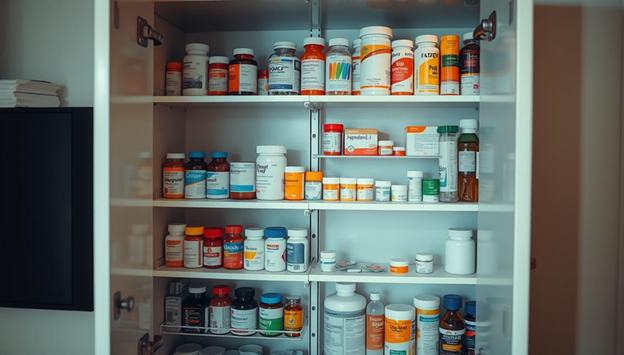
Expired Medications? Here's What to Do
Medication safety is a critical aspect of health that often goes overlooked. Since 1979, the FDA has required expiration dates on all medicines to ensure their effectiveness and safety. Ignoring these dates can lead to serious health risks.
In 2020, the CDC reported 36,564 emergency room visits due to unsupervised child medication exposures. This alarming statistic highlights the importance of proper storage and disposal of medicines.
Understanding the expiration date on your medication is crucial. It guarantees the manufacturer's promise of potency and safety. Storing medicines in the bathroom, a common mistake, can reduce their effectiveness due to humidity and temperature changes.
Proper disposal is equally important. The DEA offers safe medication disposal programs to help prevent misuse. Drug take-back programs and flush list exceptions provide additional options for safe disposal.
This article serves as a comprehensive guide to medication safety, covering everything from storage best practices to understanding expiration dates. Stay informed to protect your health and the well-being of those around you.
Why Expired Medications Pose a Risk
Understanding the risks of using drugs past their expiration date is essential for maintaining health. Over time, chemical changes can reduce a medication's potency , making it less effective. This can lead to treatment failures, especially with critical drugs like antibiotics.
Solid and liquid medications degrade differently. Humidity and temperature changes accelerate this process. For example, expired nitroglycerin can fail to relieve chest pain, putting cardiac patients at serious risk.
Chemical Changes and Reduced Potency
Medications undergo molecular breakdown over time. A 2015 study in the Mayo Clinic Proceedings suggested that some drugs remain effective beyond their labeled expiration date. However, the FDA recommends adhering to these dates to ensure safety and effectiveness.
For instance, epinephrine auto-injectors show reduced bioavailability when expired. This can be life-threatening during emergencies. Similarly, expired antibiotics may not fully treat infections, contributing to antibiotic resistance.
Health Risks of Using Expired Drugs
Certain medications are particularly high-risk when expired. University Hospitals highlights the dangers of using expired blood thinners, insulin, rescue inhalers, and seizure drugs. These can lead to severe health complications if their potency is compromised.
In rare cases, expired tetracyclines can become toxic. A 2020 case study documented a failed infection treatment due to expired antibiotics . This underscores the importance of proper drug disposal and adherence to expiration dates.
|---------------------------|--------------------------------------| | High-Risk Medications | Potential Risks | | Blood Thinners | Increased risk of clots or bleeding | | Insulin | Uncontrolled blood sugar levels | | Rescue Inhalers | Ineffective asthma or allergy relief | | Seizure Drugs | Breakthrough seizures |
How to Safely Dispose of Expired Medications
Proper disposal of unused drugs is a key step in protecting public health. It prevents misuse, accidental ingestion, and environmental contamination. The DEA and FDA provide clear guidelines to ensure safe disposal.
Drug Take-Back Programs
Take-back programs are one of the safest ways to discard unused drugs. The DEA hosts National Prescription Drug Take-Back Day events annually, collecting over 900 tons of drugs. Many pharmacies and law enforcement agencies also offer permanent drop-off locations.
To find a nearby take-back site, visit the DEA 's website and use their disposal locator tool. States like Washington and Massachusetts have mandatory programs, making it easier for residents to participate.
Flushing Medications: When It's Safe
Flushing is recommended only for high-risk drugs on the FDA's flush list. These include opioids like fentanyl patches, which can be dangerous if left in the home. The 2023 flush list also includes specific benzodiazepines.
However, the EPA warns about potential water contamination. Always check the flush list before discarding drugs this way.
Disposing of Medications in Household Trash
For drugs not on the flush list, household trash is a viable option. Mix the drugs with an unappealing substance like coffee grounds or cat litter. Place the mixture in a sealed bag or the original bottle to prevent leaks.
Use a black permanent marker to obscure personal information on the label. Never crush tablets before disposal, as this can increase the risk of exposure.
|---------------------|---------------------------------------|----------------------------------------| | Disposal Method | Best For | Steps | | Take-Back Programs | All unused drugs | Find a location on the DEA website | | Flushing | High-risk drugs on the FDA flush list | Check the flush list before flushing | | Household Trash | Non-flushable drugs | Mix with coffee grounds, seal in a bag |
Proper Storage to Extend Medication Shelf Life
Storing medications correctly can significantly extend their shelf life. Proper storage ensures that drugs retain their potency and effectiveness. According to a Khanchandani study, 91% of medical personnel agree that cool, dry, and dark conditions are ideal for drug preservation.
Ideal Storage Conditions
Medications thrive in specific environments. Most drugs should be stored at room temperature, between 68°F and 77°F. For liquids like insulin, a refrigerator is often the best option. Light-sensitive drugs, such as certain antibiotics, should be kept in amber bottles to prevent degradation.
Desiccant packets in prescription bottles help control humidity . A NIST-certified hygrometer can monitor moisture levels, ensuring optimal conditions . Avoid storing drugs in the bathroom, where humidity can reduce effectiveness by 30%.
Common Storage Mistakes to Avoid
Many people unknowingly compromise their medications' quality. Storing drugs in the car glove compartment exposes them to extreme temperatures. Kitchen cabinets, while convenient, often have higher humidity levels compared to bedroom drawers.
The FDA warns against improper cannabis storage, which can lead to mold growth. Signs of improper storage include discoloration, unusual odors, and texture changes. Always follow the manufacturer's guidelines to avoid these pitfalls.
|----------------------|--------------------|--------------------| | Storage Location | Humidity Level | Recommendation | | Bathroom | High | Avoid | | Kitchen Cabinet | Moderate | Use with desiccant | | Bedroom Drawer | Low | Ideal |
"Proper storage is not just about convenience; it's about ensuring the safety and effectiveness of your medications."
Investing in quality storage containers like LockMed or Pill Guard can further protect your drugs. By following these guidelines, you can extend the shelf life of your medications and safeguard your health.
Understanding Medication Expiration Dates
The meaning behind medication expiration dates is often misunderstood by many. These dates are not arbitrary; they are based on rigorous testing by manufacturers to ensure safety and effectiveness. Since the 1979 Expiration Dating Law, all drugs must display a date indicating when they are expected to retain their full potency.
Manufacturers determine these dates through stability testing, which evaluates how a drug's chemical composition changes over time. Factors like temperature, humidity, and light exposure are considered. The shelf life assigned reflects the period during which the drug is guaranteed to work as intended.
What Expiration Dates Really Mean
An expiration date is the manufacturer's assurance that the drug will remain effective and safe until that point. Beyond this date , the chemical structure may degrade, reducing its effectiveness. For example, the SLEP program found that 88% of tested drugs remained stable for an average of 66 months beyond their labeled expiration.
However, the FDA advises against using drugs past their date unless under specific circumstances. This is especially true for critical medications like epinephrine auto-injectors, which lose potency over time.
Exceptions to the Rule
Not all drugs follow the standard expiration date guidelines. The SLEP program has extended the shelf life of many drugs used in military stockpiles. For instance, Epipen Jr. remained stable for 90 months in testing, far beyond its labeled date.
Consumer advocacy groups are pushing for reforms to make expiration dates more transparent. The 2023 FDA guidance on compounded medications also highlights the importance of accurate labeling, including "beyond use" dates for repackaged drugs.
"Expiration dates are a critical tool for ensuring medication safety and effectiveness."
Understanding these nuances helps consumers make informed decisions about their health. Always check the manufacturer's guidelines and consult a healthcare professional if unsure.
What to Do If You've Taken Expired Medication
Accidentally taking drugs past their labeled date can be concerning, but knowing the right steps can make a difference. Staying calm and informed is the first step toward ensuring your health and safety.
When to Seek Medical Help
If you've ingested an outdated pill, assess the situation carefully. For high-risk drugs like anticoagulants, a 72-hour observation period is recommended. Call the 24/7 Poison Control Center at 1-800-222-1222 for immediate guidance.
Red flag symptoms include irregular heartbeat, difficulty breathing, or severe dizziness. These require urgent care. High-risk categories like blood thinners, insulin, and seizure drugs often need professional evaluation.
Monitoring for Adverse Effects
Even if symptoms aren't immediate, monitor for adverse effects. Use a downloadable symptom tracker template to record any changes. This can help healthcare providers assess your condition more effectively.
In cases of overdose, understanding drug half-life is crucial. Some substances take longer to leave the body, increasing the risk of prolonged effects. Always preserve the medication evidence for analysis, as it can aid in diagnosis.
- Immediate actions: Stay calm, call Poison Control, and monitor symptoms.
- High-risk drugs: Seek urgent care for anticoagulants, insulin, and seizure medications.
- Preserve evidence: Keep the original packaging for analysis.
"Quick action and proper monitoring can significantly reduce the risks associated with outdated medications."
For more information, visit the GoodRx website for their expired drug toxicity database. Understanding ER protocols and insurance coverage considerations can also provide peace of mind.
Lastly, be aware of the legal implications of sharing outdated drugs. Proper disposal and responsible use ensure safety for everyone. Taking these steps can protect your life and the well-being of those around you.
Conclusion
Taking control of your health starts with understanding how to manage your prescriptions safely. A 2023 NIH survey found that 68% of Americans improperly store their drugs, highlighting the need for better awareness.
Participate in the DEA's Take-Back Day to dispose expired drugs responsibly. The FDA's "Up and Away" campaign also offers valuable resources to keep medications out of children's reach.
Emerging technologies like smart pill bottles are making it easier to track expiration dates and ensure safety. Additionally, community pharmacy consultations can provide personalized advice on proper storage and disposal.
Remember, improper handling of drugs can contribute to antibiotic resistance, a growing public health concern. By staying informed and proactive, you can protect your health and contribute to a safer community.
FAQ
Why are expired drugs potentially harmful?
Over time, chemical changes can occur in medicines, reducing their effectiveness. Using them past their expiration date may also pose health risks, especially with antibiotics, which can lead to resistance.
How can I safely get rid of old prescriptions?
Many communities offer drug take-back programs for safe disposal. If unavailable, check the FDA's website for guidelines on flushing or throwing them in household trash securely.
What's the best way to store medicines to extend their shelf life?
Keep them in a cool, dry place, away from humidity and direct sunlight. Avoid storing them in the refrigerator unless the label specifically recommends it.
Do expiration dates guarantee a drug's safety and potency?
Expiration dates indicate the period during which the manufacturer ensures full potency and safety. However, some medicines may remain effective beyond this date, though it's not guaranteed.
What should I do if I accidentally take a drug past its expiration date?
Monitor for any adverse effects and contact a healthcare provider if you experience unusual symptoms. Most expired medicines won't cause harm but may lose their effectiveness.
Are there exceptions to the expiration date rule?
Yes, certain medicines, like liquid antibiotics or insulin, should never be used past their expiration date due to rapid loss of potency and potential health risks.
Where can I find more information about proper drug disposal?
The FDA's website and local pharmacy resources are excellent places to start. They provide detailed instructions on safe disposal methods and take-back programs.