
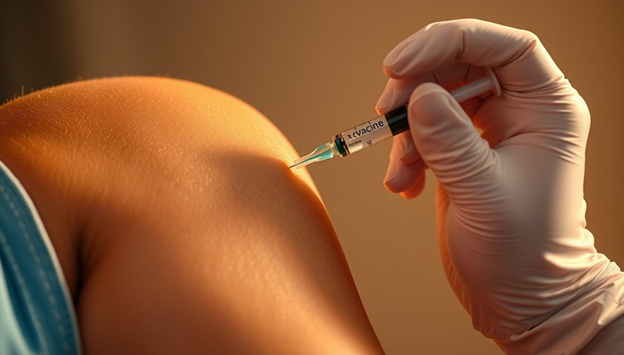
CDC Recommended Adult Vaccine Schedule for Adults
Staying up-to-date with immunizations is a key step in protecting health and preventing diseases. The Centers for Disease Control and Prevention (CDC) provides clear guidelines to help individuals in the United States make informed decisions about their health.
These recommendations are developed by the Advisory Committee on Immunization Practices (ACIP) and supported by major medical associations. They include age-specific guidance and considerations for various medical conditions, ensuring everyone can follow a plan tailored to their needs.
For 2025, the CDC's adult immunization updates also address COVID-19 boosters and other critical vaccines. By following these guidelines, individuals can take proactive steps to safeguard their well-being and contribute to public health.
Introduction to the CDC Adult Vaccine Schedule
Immunizations play a vital role in safeguarding public health. They help prevent the spread of infectious diseases and protect individuals from serious complications. The Centers for Disease Control and Prevention (CDC) provides clear guidelines to ensure everyone stays protected.
Why Vaccines Are Important for Adults
Many people think immunizations are only for children, but they are equally crucial for adults. Since 1990, there has been a 48% reduction in preventable diseases thanks to widespread immunization efforts. Staying up-to-date helps protect not only individual health but also the community.
Overview of the CDC Recommendations
The CDC's guidelines are developed by the Advisory Committee on Immunization Practices (ACIP). They are based on thorough reviews of epidemiology, safety, and economic analyses. These recommendations are supported by major medical associations like the AAFP, ACOG, and APhA, ensuring standardized care for all.
The system is divided into two tiers: By Age and By Medical Condition. This approach ensures that individuals, especially those years older or with chronic conditions, receive tailored advice. For 2025, updates include new RSV guidelines for pregnant women and adults 60+.
Healthcare providers are also required to document previous immunizations and report any adverse events to VAERS. This ensures continuous monitoring and improvement of disease control prevention efforts.
Understanding the Adult Vaccine Schedule
Navigating the world of immunizations can be straightforward with the right tools and information. The CDC's guidelines are designed to simplify the process, ensuring everyone can stay protected. These recommendations are based on thorough research and expert input, making them reliable and easy to follow.
How the Schedule is Organized
The CDC uses a color-coded system to categorize immunizations. Yellow indicates routine recommendations, blue highlights shared decision-making, and red marks contraindications. This visual approach helps healthcare providers and individuals quickly understand what's needed.
For example, Table 1 combines the 19-26 age groups for simplified guidance. This ensures clarity and reduces confusion for younger individuals. Additionally, new PCV13 guidance for seniors is based on shared clinical decision-making, allowing for personalized care.
Key Components of the Schedule
The schedule includes several important features to support both providers and patients. Mobile app tools offer dose calculators and contraindication alerts, making it easier to stay on track. Catch-up protocols are also available for those who missed childhood immunizations.
Providers follow a step-by-step workflow: starting with age, then considering medical conditions, notes, and contraindications. Special symbols denote pregnancy recommendations and booster intervals, ensuring comprehensive care for all individuals.
An appendix includes updated contraindications for live vaccines, providing essential resources for safe decision-making. These components work together to create a clear and effective system for staying protected.
Vaccines Recommended by Age Group
Understanding which immunizations are needed at different stages of life can help individuals stay healthy. The CDC provides age-specific guidelines to ensure everyone receives the right protection at the right time. These recommendations are tailored to meet the unique health needs of each group.
19-26 Years: Key Vaccines
For individuals aged 19-26, certain immunizations are critical. College students should consider the meningococcal B (MenB) vaccine to protect against meningitis. Additionally, HPV catch-up doses are now recommended for all genders up to age 26. Staying up-to-date during these years sets a strong foundation for long-term health.
27-45 Years: What You Need to Know
Between 27 and 45, Tdap boosters are recommended every 10 years to protect against tetanus, diphtheria, and pertussis. Shared decision-making is encouraged for HPV considerations, especially for those who missed earlier doses. Regular check-ups can help ensure all immunizations are current.
46-64 Years: Staying Protected
Individuals aged 46-64 should prioritize the shingles vaccine to prevent painful complications. Smokers in this group are also advised to get pneumococcal vaccines. Hepatitis B testing is recommended for diabetics aged 19-59 to ensure timely protection.
65 Years and Older: Essential Vaccines
For those 65 and older, high-dose flu vaccines provide stronger protection. The PCV20/PPSV23 sequence is recommended for pneumococcal prevention. RSV vaccines are advised for individuals aged 60-74. Age-specific COVID-19 protocols include extra boosters for enhanced immunity.
|---------------|-----------------------------------| | Age Group | Key Vaccines | | 19-26 | MenB, HPV catch-up | | 27-45 | Tdap boosters, HPV considerations | | 46-64 | Shingles, pneumococcal | | 65+ | High-dose flu, PCV20/PPSV23, RSV |
Vaccines Based on Medical Conditions
Certain health conditions require tailored immunization plans to ensure optimal protection. The CDC provides specific guidelines for individuals with chronic illnesses, weakened immune systems, or those who are pregnant. These recommendations help reduce risk and promote better health care outcomes.
Chronic Illnesses and Vaccination
People with chronic conditions like diabetes or heart disease often need additional immunizations. For example, those with diabetes under 60 should receive the hepatitis B vaccine, while individuals with COPD or heart disease benefit from the PCV20 + PPSV23 sequence. These steps help prevent complications and improve overall health.
Immunocompromised Individuals
Those with weakened immune systems, such as HIV patients or cancer survivors, require special considerations. For instance, MMR is contraindicated for HIV patients with a CD4 count below 200. Extra pneumococcal doses are recommended for these individuals to enhance protection.
Pregnancy and Vaccination
Pregnant individuals should follow specific guidelines to protect both themselves and their babies. The RSV vaccine is advised between 32-36 weeks of pregnancy , while live attenuated influenza vaccines (LAIV) should be avoided. Tdap is also recommended during each pregnancy to ensure safety.
By following these tailored recommendations, individuals with medical conditions can stay protected and reduce their risk of preventable diseases.
COVID-19 Vaccination for Adults
Protecting against COVID-19 remains a priority for individuals of all ages. The CDC continues to update its guidelines to address new variants and ensure effective protection. Staying informed about the latest recommendations is essential for maintaining health and safety.
Current Recommendations
The 2024-2025 formula targets the XBB.1.5 variant, providing enhanced protection. For those with weakened immune systems, two or more doses are recommended to ensure adequate immunity. Novavax is also available as an alternative to mRNA options, offering flexibility for individuals with specific preferences.
Healthcare providers must adhere to workplace requirements, including proper cold chain management for mRNA vaccines. This ensures the effectiveness of the doses administered. Long COVID patients can safely receive their immunizations without contraindications.
Booster Shots and Timing
Individuals aged 65 and older, as well as those who are immunocompromised, should receive an annual booster at minimum. A four-month interval between infection and vaccination is advised to maximize effectiveness. Special dosing protocols are in place for those who received the J&J vaccine initially.
By following these guidelines, individuals can stay protected and contribute to broader public health efforts. Regular updates from the CDC ensure that everyone has access to the most current and effective strategies for COVID-19 prevention.
Influenza Vaccination: Annual Protection
Annual influenza vaccination is a critical step in maintaining personal and public health . The flu can lead to serious complications, especially for older individuals or those with chronic conditions. Staying protected helps reduce the spread of this contagious disease.
Types of Flu Vaccines
There are several options available to suit different needs. For individuals aged 65 and older, the high-dose Fluzone offers 24% greater efficacy. Egg-free options like Flucelvax Quadrivalent are ideal for those with allergies. Live attenuated influenza vaccines (LAIV) are not recommended for certain groups, including household contacts of immunocompromised individuals.
Who Should Get Vaccinated?
Everyone aged six months and older is encouraged to get vaccinated. Healthcare workers have an 85% target rate to ensure patient safety. Seniors and those with a history of Guillain-Barré syndrome should consult their provider for case-by-case evaluation. The ideal window for vaccination is between August and November.
Post-exposure oseltamivir protocols are also available for those who miss their shot. By following these guidelines, individuals can stay protected and contribute to broader public health efforts.
Respiratory Syncytial Virus (RSV) Vaccine
Respiratory Syncytial Virus (RSV) poses significant health risks, especially for certain groups. This virus can lead to severe respiratory issues, particularly in older individuals and those with chronic conditions. Vaccination offers a proactive way to reduce these risks and improve overall health outcomes.
RSV in Older Adults
For individuals aged 60-74 with risk factors, a single dose of the RSV vaccine is recommended. Studies show that COPD patients experience a 45% reduction in complications after vaccination. Two options, Arexvy and Abrysvo, are available, with slight efficacy differences in the 60+ population.
Chronic heart disease is another key indication for vaccination. Timing is also important---RSV vaccines should be administered at least 14 days apart from other immunizations. Post-market surveillance continues to monitor for rare neuroinflammatory events, ensuring safety and effectiveness.
Pregnancy and RSV Vaccination
Pregnant individuals can protect their babies by getting vaccinated between 32-36 weeks of pregnancy. Maternal immunization provides up to six months of protection for infants, reducing the risk of severe RSV infections. This approach is especially beneficial for families with limited access to healthcare resources.
By following these guidelines, individuals can take meaningful steps to safeguard their health and the well-being of their loved ones.
Tetanus, Diphtheria, and Pertussis (Tdap) Vaccine
Protecting against tetanus , diphtheria, and pertussis is essential for long-term health. The Tdap immunization offers a strong defense against these serious illnesses, ensuring individuals stay safe and healthy. It's particularly important for wound management, where Tdap is preferred over Td.
When to Get Tdap
Booster doses are recommended every 10 years to maintain immunity. For those with a "dirty wound," a dose is needed if it's been less than five years since the last one. This protocol helps prevent infections and complications.
The acellular version of the vaccine is widely used today, offering fewer side effects compared to the whole-cell version. Grandparents and caregivers are also encouraged to get vaccinated as part of the cocooning strategy to protect newborns.
Pregnancy and Tdap
For pregnant individuals, the optimal window for Tdap is between 27-36 weeks. This timing ensures the baby receives protective antibodies before birth. "Maternal immunization is a safe and effective way to protect both mother and child," experts say.
However, those with a history of encephalopathy should avoid Tdap due to potential contraindications. Always consult a healthcare provider to determine the best course of action.
Measles, Mumps, and Rubella (MMR) Vaccine
The MMR immunization is a critical tool in preventing three highly contagious diseases. Measles, mumps, and rubella can lead to serious complications, making this shot essential for maintaining public health. The CDC provides clear guidelines to ensure everyone receives the protection they need.
Who Needs the MMR Vaccine?
Individuals born after 1957 should receive a 2-dose series for full protection. Those born between 1963 and 1967 should verify their vaccine type, as early versions may not provide adequate immunity. International travelers are also advised to get vaccinated, especially if visiting regions with active outbreaks.
College students and health care workers are at higher risk and should ensure their immunizations are up-to-date. "Outbreak response protocols emphasize the importance of timely vaccination," experts note. For those who cannot receive the shot, IgG titer testing offers an alternative to confirm immunity.
Health Care Workers and MMR
Health care providers play a vital role in preventing the spread of these diseases. Those born after 1957 must complete the 2-dose series to meet workplace requirements. Postpartum guidelines also recommend vaccination for new mothers who are not immune.
For HIV patients, CD4 count thresholds determine eligibility. Those with a count below 200 should avoid the MMR shot due to potential risks. Regular monitoring ensures safe and effective care for all individuals.
|-------------------------|----------------------| | Group | Recommendation | | Born after 1957 | 2-dose series | | International travelers | Vaccination required | | Health care workers | 2-dose series | | HIV patients | CD4 count check |
Varicella (Chickenpox) Vaccine
Chickenpox, caused by the varicella virus, can be effectively prevented through vaccination. This highly contagious disease was once common, but widespread immunization efforts have significantly reduced its spread. The varicella shot is a safe and reliable way to protect individuals and communities.
Who Should Get Vaccinated?
Individuals born in 1980 or later should receive two doses of the varicella immunization. Healthcare workers are required to undergo serology testing to confirm immunity. For those with HIV, a CD4 count of at least 200 is necessary to ensure safe vaccination.
The varicella shot also offers benefits in preventing shingles, a painful condition caused by the same virus. Breakthrough infections are rare but possible, making it essential to complete the full series. Post-exposure vaccination can still be effective if administered within a specific timeframe.
Two-Dose Series Explained
The varicella immunization requires two doses, spaced 4 to 8 weeks apart. This interval ensures optimal protection and long-term immunity. Combination vaccines like MMRV are available but may have contraindications for certain individuals.
|--------------------|--------------------| | Group | Recommendation | | Born 1980+ | 2-dose series | | Healthcare workers | Serology testing | | HIV patients | CD4 ≥200 |
By following these guidelines, individuals can stay protected against chickenpox and its complications. Regular consultations with healthcare providers ensure timely and safe vaccination.
Human Papillomavirus (HPV) Vaccine
The Human Papillomavirus (HPV) vaccine is a powerful tool in preventing several types of cancers. It targets the most common strains of HPV, which are linked to cervical, anal, and other cancers. The FDA has expanded its approval to include individuals up to 45 years old, though benefits are minimal for those over 26.
HPV Vaccination for Adults
The 9-valent Gardasil offers broader coverage compared to the original version, protecting against more strains. For men who have sex with men (MSM), the vaccine significantly reduces the risk of anal cancer. Smoking cessation counseling is often linked to HPV prevention efforts, as smoking increases cancer risks.
For HIV-positive individuals, there is no upper age limit for vaccination. However, insurance coverage can be a challenge, so it's important to check with providers. Immunocompromised individuals may require a 3-dose series for optimal protection.
Shared Clinical Decision-Making
Healthcare providers often recommend co-testing with Pap smears to ensure comprehensive care. This approach helps identify any abnormalities early. Shared decision-making is crucial, especially for those over 26, to weigh the benefits and risks.
By understanding the importance of the HPV vaccine, individuals can take proactive steps to protect their health. Regular consultations with healthcare providers ensure timely and safe vaccination.
Pneumococcal Vaccines
Pneumococcal protection is essential for individuals with specific health needs. These vaccines help prevent serious infections caused by the Streptococcus pneumoniae bacteria. Understanding the differences between PCV13 and PPSV23 can ensure the right choice for optimal health.
PCV13 and PPSV23 Explained
PCV13 (Pneumococcal Conjugate Vaccine) and PPSV23 (Pneumococcal Polysaccharide Vaccine) serve different purposes. PCV13 is recommended for shared decision-making in individuals years older than 65, while PPSV23 remains a routine option. A minimum one-year interval is required between the two doses for effective protection.
Who Should Get Pneumococcal Vaccines?
Certain groups are at higher risk and should prioritize these vaccines. Individuals with chronic liver disease, cochlear implants, or asplenia/hyposplenism are among those who benefit most. Nursing home residents are also prioritized due to their increased exposure to infections.
- Chronic liver disease patients should receive both PCV13 and PPSV23.
- Cochlear implant recipients follow a special protocol for vaccination.
- Revaccination intervals for PPSV23 are crucial for long-term protection.
By staying informed about pneumococcal vaccines , individuals can take proactive steps to safeguard their health. Regular consultations with healthcare providers ensure timely and appropriate immunization.
Hepatitis A and B Vaccines
Hepatitis A and B vaccinations are essential for preventing serious liver infections. These diseases can lead to long-term health complications if left untreated. Staying informed about the latest recommendations ensures timely protection.
Who Needs Hepatitis A Vaccination?
Certain groups are at higher risk and should prioritize the hepatitis A vaccination. This includes individuals with HIV, as they are more susceptible to infections. Men who have sex with men (MSM) are also advised to get vaccinated due to increased exposure risks.
Food handlers and those working in homeless shelters are often required to receive the dose by state mandates. Post-vaccination titer testing is recommended to confirm immunity, especially for high-risk groups.
Key Recommendations for Hepatitis B
Hepatitis B immunization is crucial for preventing perinatal transmission. Pregnant individuals should follow updated safety guidelines to protect both themselves and their babies. Dialysis patients require special formulations for effective protection.
The Twinrix combination vaccine offers a convenient option for those needing both hepatitis A and B protection. Regular consultations with healthcare providers ensure the right dose and timing for optimal results.
- MSM vaccination requirements
- Special formulations for dialysis patients
- Post-vaccination titer testing
- Twinrix combination vaccine options
- Homeless shelter outbreaks
- Perinatal transmission prevention
- Food handler mandates by state
Meningococcal Vaccines
Meningococcal vaccines are a critical defense against serious infections. These immunizations protect against diseases caused by the Neisseria meningitidis bacteria, which can lead to meningitis and sepsis. Staying informed about these vaccines is essential for maintaining health and preventing outbreaks.
MenACWY and MenB Vaccines
There are two main types of meningococcal vaccines: MenACWY and MenB. The MenACWY vaccine protects against four strains of the bacteria, while the MenB vaccine targets the B strain. Both are crucial for reducing the risk of severe illness.
For individuals with terminal complement deficiencies, MenB boosters are recommended every 2-3 years. This ensures continued protection against the B strain, which is particularly dangerous for this group.
Who Should Get Meningococcal Vaccines?
Certain groups are at higher risk and should prioritize these vaccines. College freshmen living in dorms are often required to get vaccinated due to close living conditions. Travelers to regions like Hajj/Mecca are also advised to receive the MenACWY vaccine.
- Microbiologists working with the bacteria need regular immunizations.
- Outbreak response protocols may include additional doses for affected communities.
- Individuals with splenic dysfunction should follow specific guidelines for protection.
By understanding the importance of meningococcal vaccines , individuals can take proactive steps to safeguard their health. Regular consultations with healthcare providers ensure timely and safe immunization.
Haemophilus Influenzae Type B (Hib) Vaccine
The Haemophilus influenzae type B (Hib) immunization is a key defense against serious bacterial infections. This vaccine helps prevent conditions like meningitis, pneumonia, and sepsis, which can be life-threatening for certain groups. Understanding who needs this protection and when it's recommended is essential for maintaining health.
Who Should Consider Hib Vaccination?
While Hib is often associated with children, it's also important for specific groups of adults . Those with conditions like sickle cell disease, HIV with low CD4 counts, or those undergoing stem cell transplants are at higher risk and should prioritize this immunization. Elective splenectomy patients should also prepare with the Hib vaccine to reduce complications.
When is Hib Recommended?
The Hib vaccine is typically administered in 1-3 doses, depending on the individual's health status. For example:
- Those with IgA deficiency may require additional doses for full protection.
- Post-exposure prophylaxis is advised for close contacts of infected individuals.
- Combination vaccines like Pentacel offer a convenient option for comprehensive protection.
By staying informed about the Hib vaccine, individuals can take proactive steps to safeguard their health. Regular consultations with healthcare providers ensure timely and appropriate immunization.
Conclusion: Staying Up-to-Date with Your Vaccinations
Keeping track of your immunizations ensures you stay protected and healthy. The CDC Vaccine Schedules app is a helpful tool to manage your health needs. It provides reminders and detailed information about which vaccines you may need.
Insurance coverage under the ACA makes it easier to access these essential resources. If you're planning to travel, consult a travel clinic to ensure you're prepared for any destination-specific requirements.
Workplace health programs and state pharmacy laws also support convenient access to immunizations. Seasonal reminder systems and multilingual materials make it simpler for everyone to stay informed and protected.
FAQ
Why are immunizations important for adults?
Immunizations help protect against serious diseases that can lead to complications, hospitalization, or even death. Staying up-to-date with vaccinations is a key part of maintaining overall health and preventing the spread of illnesses.
How does the CDC organize its immunization recommendations?
The CDC organizes its recommendations by age group, medical conditions, and specific health risks. This helps individuals and health care providers determine which immunizations are needed at different stages of life.
What vaccines are recommended for adults aged 19-26?
Key immunizations for this age group include the HPV vaccine, Tdap booster, and annual flu shot. MMR and varicella vaccines may also be recommended if not previously received.
Are there specific vaccines for adults with chronic illnesses?
Yes, individuals with chronic conditions like diabetes, heart disease, or lung disease may need additional immunizations, such as pneumococcal or hepatitis B vaccines, to reduce the risk of complications.
Should pregnant individuals receive immunizations?
Yes, certain vaccines, like Tdap and influenza, are safe and recommended during pregnancy to protect both the parent and the baby from preventable diseases.
What are the current COVID-19 vaccine recommendations?
The CDC advises staying up-to-date with COVID-19 vaccines, including booster doses, based on age, health status, and previous vaccinations. Check their website for the latest guidance.
Who should get the RSV vaccine?
The RSV vaccine is recommended for older adults aged 60 and older, as well as pregnant individuals during specific weeks of pregnancy to protect newborns.
How often should adults get the Tdap vaccine?
Adults should receive a Tdap booster every 10 years. Pregnant individuals should get it during each pregnancy, ideally between 27 and 36 weeks.
Is the MMR vaccine necessary for health care workers?
Yes, health care workers should ensure they are immune to measles, mumps, and rubella, either through vaccination or prior infection, to protect themselves and their patients.
What is the two-dose series for the varicella vaccine?
The varicella vaccine is given in two doses, spaced 4 to 8 weeks apart, to ensure full protection against chickenpox for those who have not had the disease or been vaccinated before.
Can adults get the HPV vaccine?
Yes, adults up to age 45 can receive the HPV vaccine through shared clinical decision-making with their health care provider, especially if they were not vaccinated earlier.
What's the difference between PCV13 and PPSV23?
PCV13 protects against 13 types of pneumococcal bacteria, while PPSV23 covers 23 types. Both are recommended for certain adults, particularly those over 65 or with specific health conditions.
Who needs the hepatitis A and B vaccines?
Hepatitis A is recommended for travelers, individuals with chronic liver disease, and others at risk. Hepatitis B is advised for adults with diabetes, health care workers, and those with certain medical conditions.
Are meningococcal vaccines necessary for adults?
Meningococcal vaccines (MenACWY and MenB) are recommended for adults with specific risk factors, such as a damaged spleen, certain medical conditions, or travel to high-risk areas.
When is the Hib vaccine recommended for adults?
The Hib vaccine is typically not needed for most adults but may be recommended for those with certain medical conditions, such as sickle cell disease or a compromised immune system.