
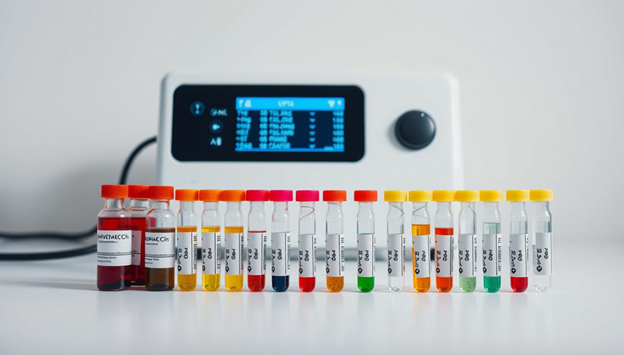
CBC and CMP Labs: Comprehensive Blood Testing Guide
CBC and CMP Labs: Comprehensive Blood Testing Guide
Understanding your health starts with knowing what's happening inside your body. Blood tests are essential tools that provide valuable insights into your overall well-being. Two of the most common tests are the complete blood count and the comprehensive metabolic panel. These tests help diagnose conditions, monitor treatment, and track your health over time.
Physicians often order these tests every 3 to 6 months to monitor chronic conditions or assess treatment effectiveness. The complete blood count focuses on cell counts, helping detect issues like infections or anemia. Meanwhile, the comprehensive metabolic panel evaluates liver, kidney, and metabolic functions, providing a detailed picture of your body's performance^1^.
This guide will walk you through everything you need to know about these tests. From understanding results to interpreting lab values, you'll gain practical knowledge to take control of your health. Whether you're preparing for a test or reviewing results, this resource is designed to be clear and approachable.
Key Takeaways
- Blood tests are vital for diagnosing and monitoring health conditions.
- Physicians may order tests every 3 to 6 months for chronic conditions.
- The complete blood count helps detect infections and anemia.
- The comprehensive metabolic panel assesses liver, kidney, and metabolic health.
- Results are typically available within a few days after the test^2^.
Overview of cbc and cmp labs
Blood tests are a window into your body's inner workings. They provide essential insights into your health, helping detect issues early and monitor ongoing conditions. Two key tests, the complete blood count and the comprehensive metabolic panel, are commonly used to evaluate different aspects of your well-being.
What is a Complete Blood Count?
A complete blood count measures the levels of red blood cells, white blood cells, and platelets in your blood. This test is crucial for identifying infections, anemia, and other blood-related conditions. For example, a low red blood cell count may indicate anemia, while a high white blood cell count could signal an infection^3^.
What is a Comprehensive Metabolic Panel?
The comprehensive metabolic panel evaluates liver and kidney function, blood sugar levels, and electrolyte balance. It includes 14 different measurements, such as glucose, calcium, and creatinine, providing a detailed view of your metabolic health^4^. This test is often used to monitor chronic conditions like diabetes or kidney disease.
Both tests are typically performed together to give a comprehensive picture of your health. Results are usually available within 1-2 days, though delays can occur due to external factors^5^.
|-------------------------------|-------------------------------------------------|------------------------------------------------| | Test | Components Measured | Purpose | | Complete Blood Count | Red blood cells, white blood cells, platelets | Detect infections, anemia, and blood disorders | | Comprehensive Metabolic Panel | Glucose, electrolytes, liver and kidney markers | Assess metabolic health and organ function |
Understanding these tests can empower you to take charge of your health. Always discuss your results with a healthcare provider for personalized insights.
Key Components Explained
Blood Cells: CBC Insights
Your blood holds the key to understanding your body's health. A complete blood count measures components like red blood cells, white blood cells, and platelets. These elements play vital roles in oxygen transport, immune response, and clotting^6^.
For example, low red blood cell counts may signal anemia, while high white blood cell counts could indicate an infection^7^. Platelet levels help assess clotting ability, which is crucial for preventing excessive bleeding or clotting disorders.
Metabolic Markers: CMP Breakdown
The comprehensive metabolic panel evaluates 14 different substances, including glucose, electrolytes, and liver enzymes. These markers provide insights into organ function and metabolic balance^4^.
For instance, abnormal glucose levels may suggest diabetes, while elevated liver enzymes could indicate liver damage. This panel is often used to monitor chronic conditions like kidney disease or diabetes^6^.
Understanding Lab Ranges and Normal Values
Interpreting test results requires understanding normal ranges. For example, a healthy red blood cell count typically falls between 4.7 to 6.1 million cells per microliter for men and 4.2 to 5.4 million for women^7^.
Similarly, glucose levels should range from 70 to 100 mg/dL when fasting. Slight variations can signal changes in health, making it essential to discuss results with a healthcare provider^4^.
Knowing these ranges empowers you to take charge of your health. Regular monitoring helps detect issues early, ensuring timely intervention and better outcomes.
Interpreting Results for Health Conditions
Blood test results can reveal critical insights into your health and guide treatment decisions. Regular testing helps monitor disease progression, evaluate treatment effectiveness, and manage chronic conditions. Understanding these results empowers you to take proactive steps toward better health.
Monitoring Disease, Treatment Effects, and Chronic Conditions
Blood tests are essential for tracking chronic diseases like diabetes or kidney issues. For example, the comprehensive metabolic panel measures markers like creatinine and blood urea, which indicate kidney function^8^. Abnormal levels can signal complications early, allowing for timely intervention.
Patients undergoing treatments like chemotherapy often rely on these tests to monitor their health. Changes in lab values can reveal infections or anemia, which are common side effects^9^. Regular testing ensures treatments are effective and adjustments are made when necessary.
The Role of Blood Tests in Detecting Infections and Anemia
Blood tests are a powerful tool for detecting infections and anemia. For instance, a low red blood cell count may indicate anemia, while a high white blood cell count often signals an infection^9^. These findings help healthcare providers diagnose conditions accurately and recommend appropriate treatments.
Tracking lab values over time is also beneficial. Trends in results can reveal patterns in health, such as improving kidney function or worsening metabolic issues. This long-term view helps tailor care plans to individual needs.
|-------------------------------|------------------------------------|---------------------| | Test | Key Indicators | Health Insights | | Comprehensive Metabolic Panel | Creatinine, Blood Urea | Kidney Function | | Complete Blood Count | Red Blood Cells, White Blood Cells | Infections, Anemia |
Discussing results with a healthcare provider is crucial. They can explain what the numbers mean, suggest further testing if needed, and guide you toward the best course of action. Regular blood testing is a simple yet effective way to stay on top of your health.
Conclusion
Taking charge of your health begins with understanding the insights provided by essential blood tests. The complete blood count and comprehensive metabolic panel are powerful tools for diagnosing and monitoring conditions. They evaluate key markers like cell counts, liver function, and kidney health, offering a clear picture of your well-being^10^.
Regular testing supports early detection of issues, from infections to chronic diseases. Discussing results with your healthcare team ensures personalized care and informed decisions. This guide has walked you through the importance of these tests, their components, and how to interpret results effectively.
Understanding lab values empowers you to take proactive steps toward better health. Schedule regular screenings and stay engaged with your care. Your health is in your hands---make it a priority today.
FAQ
What does a Complete Blood Count (CBC) test for?
A CBC measures red blood cells, white blood cells, hemoglobin, hematocrit, and platelets. It helps detect conditions like anemia, infection, and other blood disorders.
What is included in a Comprehensive Metabolic Panel (CMP)?
A CMP checks glucose, calcium, electrolytes, kidney function, and liver enzymes. It provides insights into metabolism, organ health, and overall body function.
How often should someone get a CBC or CMP?
Frequency depends on health status. People with chronic conditions may need regular tests, while others might only require them during annual checkups or when symptoms arise.
Can these tests detect infections?
Yes, a CBC can identify infections by measuring white blood cell levels. A CMP helps assess organ function, which can be affected by infections.
What do abnormal results mean?
Abnormal results may indicate issues like kidney disease, liver problems, or electrolyte imbalances. A healthcare provider will interpret the findings and recommend next steps.
Is fasting required before a CMP?
Yes, fasting for 8-12 hours is usually required for accurate glucose and lipid measurements in a CMP.
How long does it take to get results?
Results are often available within 24-48 hours, but timing can vary depending on the lab and specific tests ordered.
Can these tests diagnose chronic conditions?
While they provide valuable information, additional tests are often needed to confirm chronic conditions like diabetes or liver disease.