
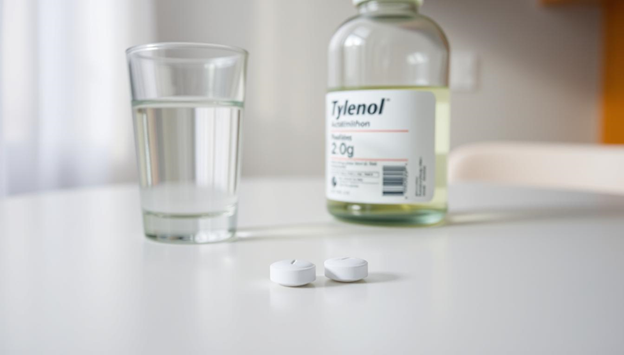
Can I Take 2 500 mg Tylenol? Safe Dosage Tips
Acetaminophen, the active ingredient in many over-the-counter medications, is widely used for pain relief and fever reduction. However, understanding the correct dosage is crucial to avoid potential risks. For instance, the recommended dosage for adults is 1-2 tablets of 500 mg at a time, with a maximum of 6 tablets (3,000 mg) in 24 hours.
Different Tylenol products vary in strength, so it's essential to read the label carefully. Exceeding the daily dose can lead to serious liver damage, especially if combined with alcohol or other medications containing acetaminophen^2^. Always follow the instructions provided by healthcare professionals or on the packaging.
This article will guide you through expert dosage guidelines, time intervals between doses, and special considerations for children and adults. Staying informed ensures safe and effective use of this common medication.
Key Takeaways
- Acetaminophen is effective for pain and fever but must be used responsibly.
- Always check the label for dosage instructions and product strength.
- Do not exceed the maximum daily dose to avoid liver damage.
- Different Tylenol formulations have varying strengths.
- Consult a doctor if symptoms persist or if unsure about dosage.
Understanding Tylenol and Its Formulations
Tylenol, a trusted name in pain relief, comes in various formulations to meet different needs. Its active ingredient, acetaminophen, is widely used for managing pain and fever. However, not all Tylenol products are the same. Understanding the differences ensures safe and effective use.
Regular Strength vs Extra Strength
Tylenol is available in two primary strengths: Regular Strength and Extra Strength. Regular Strength contains 325 mg of acetaminophen per tablet, while Extra Strength offers 500 mg. The choice depends on the severity of symptoms and individual needs^2^.
Extra Strength is often recommended for more intense pain or fever. However, it's crucial to follow the daily dose limits to avoid risks like liver damage^3^. Always check the product label for specific instructions.
Tablet, Caplet, and Gelcap Forms
Tylenol is also available in different forms, including tablets, caplets, and gelcaps. Tablets are the most common, while caplets are easier to swallow. Gelcaps, with their liquid-filled center, provide faster relief for some users^4^.
Each form has its advantages, but the active ingredient remains the same. The key is to choose a form that suits your preferences and follow the recommended dosage. Misinterpreting the label can lead to incorrect use, so always read carefully.
Understanding these formulations helps users make informed decisions. Whether it's Regular Strength or Extra Strength, tablets or gelcaps, the right choice ensures effective relief without unnecessary risks.
Can i take 2 500 mg tylenol? Expert Advice and Dosage Guidelines
Safe pain management with Tylenol starts with knowing the right dose. Extra Strength Tylenol, containing 500 mg of acetaminophen per tablet, is a popular choice for adults. Experts recommend taking 2 tablets every 6 hours, but the daily dose should not exceed 6 tablets within 24 hours^5^.
Recommended Dosages and Time Intervals
For adults, the maximum single dose of acetaminophen is typically 1,000 mg, which equals 2 tablets of Extra Strength Tylenol^6^. This dose can be repeated every 6 hours, but it's crucial to wait the full interval before taking more. Skipping or shortening the time between doses increases the risk of liver damage^5^.
Children and individuals with liver conditions may require different dosages. Always consult a doctor or pharmacist for personalized advice. Following these guidelines ensures effective relief without unnecessary risks.
Interpreting Product Labels
Reading and understanding product labels is essential for safe use. Labels provide details on the active ingredient, dosage, and maximum daily limits. For example, Extra Strength Tylenol clearly states the recommended dose and time intervals^5^.
Misinterpreting the label can lead to incorrect use, such as taking more than the allowed amount. Always check the label for specific instructions, especially if using multiple medications containing acetaminophen. This prevents accidental overdose and protects liver health.
Proper use of Tylenol ensures effective pain and fever relief while minimizing risks. By following expert guidelines and reading labels carefully, users can manage symptoms safely and responsibly.
Considerations for Safe Acetaminophen Use
Understanding the risks associated with acetaminophen is essential for safe use. While it's effective for pain and fever , improper use can lead to serious health issues. This section covers key precautions, including liver health, alcohol interactions, and how to interpret product labels.
Assessing Liver Health and Overdose Risks
Acetaminophen is processed by the liver, making liver health a critical factor. Exceeding the recommended daily dose of 4,000 mg can cause severe liver damage, sometimes requiring a transplant^7^. Symptoms of overdose include nausea, abdominal pain, and yellowing of the skin or eyes^7^.
Individuals with pre-existing liver conditions should consult a doctor before use. Even healthy adults should avoid taking acetaminophen for more than 10 days without medical advice^1^. Always follow the instructions on the label to minimize risks.
Alcohol Interaction and Contraindications
Alcohol consumption significantly increases the risk of liver damage when using acetaminophen. Drinking three or more alcoholic beverages per day can amplify these risks^7^. For safe use, avoid alcohol entirely while taking this medication.
Certain groups, such as children under 2 years, should avoid combination products containing acetaminophen due to potential side effects^7^. Always check the label for specific contraindications and consult a pharmacist if unsure.
|------------------|----------------------------------| | Factor | Recommendation | | Daily Dose | Do not exceed 4,000 mg | | Alcohol | Avoid while taking acetaminophen | | Liver Conditions | Consult a doctor before use | | Children | Follow age-specific guidelines |
By understanding these considerations, users can safely manage pain and fever without compromising their health. Always prioritize safety and consult a healthcare professional when in doubt.
When to Seek Medical Help and Recognize Overdose Symptoms
Recognizing the signs of acetaminophen overuse is crucial for preventing serious health complications. This medication, found in many products, is safe when used correctly but can pose risks if misused. Understanding the warning signs and knowing when to seek help can make a significant difference in outcomes.
Warning Signs of Acetaminophen Overuse
Early symptoms of overuse include nausea, vomiting, and abdominal pain. These signs may appear within hours or take several days to develop^8^. Yellowing of the skin or eyes, a condition known as jaundice, is a more severe indicator of liver damage^9^.
Ignoring these symptoms can lead to severe complications, including liver failure. Overdose accounts for over 56,000 emergency room visits annually, with young adults aged 15 to 24 at the highest risk^9^. Recognizing these signs early is vital to prevent long-term damage.
Steps to Take in an Emergency
If overdose is suspected, immediate action is necessary. Contact the Poison Control Center at 1-800-222-1222 or seek emergency medical help right away^9^. Do not wait for symptoms to worsen, as prompt treatment can prevent severe outcomes.
Here are essential steps to follow in an emergency:
- Stop taking the medication immediately.
- Call a doctor or visit the nearest emergency room.
- Provide details about the dose and time of ingestion.
Severe cases may require hospitalization or even a liver transplant^8^. Following these steps ensures the best chance of recovery.
Always read the label carefully and adhere to the recommended daily dose . If unsure, consult a healthcare professional for guidance. Safety is key when using any medication containing acetaminophen.
Conclusion
Using acetaminophen safely requires careful attention to dosage and product labels . Whether managing pain or fever , following the recommended daily dose is essential to avoid risks like liver damage^10^. Always read the label to ensure proper use and avoid combining medications that contain this active ingredient.
Exceeding the maximum daily limit can lead to serious health issues, including liver failure^11^. For those with pre-existing conditions or who consume alcohol, consulting a doctor or healthcare professional is crucial. Proper storage and adherence to instructions further ensure safe use.
By staying informed and using acetaminophen responsibly, individuals can effectively manage symptoms without compromising their health. When in doubt, seek professional guidance to ensure safe and effective relief.
FAQ
What's the difference between regular strength and extra strength Tylenol?
Regular strength Tylenol contains 325 mg of acetaminophen per tablet, while extra strength has 500 mg. The extra strength version is designed for more severe pain or fever relief but should be used carefully to avoid exceeding the daily dose.
How often should acetaminophen be taken for pain or fever?
For adults, the standard recommendation is one dose every 4 to 6 hours, not exceeding 3,000 mg in 24 hours. Always follow the instructions on the label or consult a healthcare professional for personalized advice.
What should be checked on a Tylenol product label?
Look for the active ingredient, dosage strength, and recommended daily dose. Ensure the product doesn't contain other medications with acetaminophen to avoid accidental overdose.
Can acetaminophen damage the liver?
Yes, taking more than the recommended dose or combining it with alcohol can harm the liver. People with liver disease or those who drink regularly should consult a doctor before use.
What are the signs of acetaminophen overdose?
Symptoms include nausea, vomiting, loss of appetite, and abdominal pain. In severe cases, it can lead to liver failure. Seek medical help right away if overdose is suspected.
Is it safe to take acetaminophen with alcohol?
Combining acetaminophen and alcohol increases the risk of liver damage. It's best to avoid alcohol while using acetaminophen unless directed by a healthcare provider.
What should be done in case of an acetaminophen overdose?
Immediately contact a poison control center or seek emergency medical attention. Quick action can prevent serious liver damage.
Are there different forms of Tylenol available?
Yes, Tylenol comes in tablets, caplets, and gelcaps. Each form has the same active ingredient but may differ in how quickly it works or how easy it is to swallow.
How does weight affect acetaminophen dosage for children?
Dosage for children is based on weight and age. Always use the dosing chart on the product label or consult a pediatrician to ensure the correct amount is given.
Can acetaminophen be used for conditions other than pain and fever?
Acetaminophen is primarily for pain and fever relief. It's not effective for inflammation or other symptoms like cough. Always check with a doctor for appropriate treatment options.