
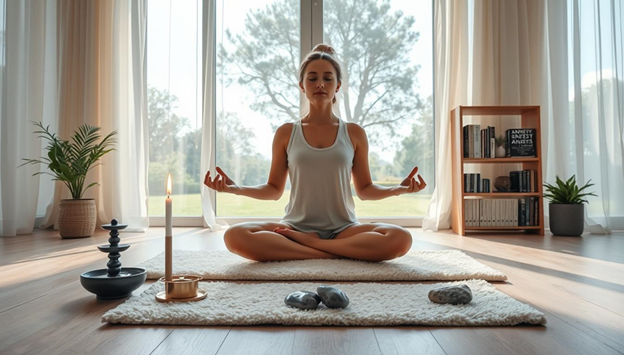
Anxiety Coping Techniques to Manage Stress
Stress is a common experience that can impact daily life and overall mental health . For many, it can feel overwhelming, but understanding how to manage anxiety effectively can make a significant difference. According to the National Institute of Mental Health (NIMH), over 40 million U.S. adults are affected by stress-related challenges annually.
Chronic stress doesn't just affect the mind---it also impacts the body. Studies show that prolonged stress can increase cortisol levels by up to 50%, leading to physical symptoms like fatigue and tension. This highlights the importance of adopting evidence-based strategies rather than relying on quick fixes.
This article provides a step-by-step guide to understanding, identifying, and managing stress. It explores both immediate relief and long-term strategies, offering a comprehensive toolkit for gradual improvement. By focusing on self-awareness and personalized approaches, readers can feel empowered to take control of their well-being.
Understanding Anxiety and Its Impact
Anxiety, often misunderstood, plays a significant role in daily functioning. It's a natural survival mechanism designed to protect us from danger. However, in modern life, this response can become exaggerated, leading to challenges in both mental health and physical well-being.
What is Anxiety?
Anxiety is rooted in the body's stress response, which triggers the release of cortisol and adrenaline. These hormones prepare the body for a fight-or-flight reaction. While this response is helpful in dangerous situations, it can misfire in everyday scenarios, causing unnecessary worry and tension.
Common physical symptoms include muscle tension, rapid heartbeat, and digestive issues. On the cognitive side, racing thoughts and decision paralysis are frequent challenges. These symptoms can make it difficult to focus or complete tasks effectively.
How Anxiety Affects Daily Life
Anxiety doesn't just impact the mind---it also takes a toll on the body. Prolonged stress can lead to chronic health issues, such as fatigue and weakened immunity. In the workplace, 60% of those with anxiety report reduced productivity, highlighting its far-reaching effects.
Certain professions, like healthcare, education, and service industries, have higher rates of anxiety. This is often due to high-stress environments and constant demands. Additionally, anxiety frequently coexists with other mental health disorders, such as depression, creating a complex web of challenges.
Understanding the role of neuroplasticity and the HPA axis can shed light on how anxiety is maintained. These biological mechanisms explain why anxiety can feel overwhelming and persistent. By recognizing these patterns, individuals can take steps toward managing their symptoms effectively.
Identifying Your Anxiety Triggers
Recognizing what sets off stress is the first step toward managing it effectively. For many, certain situations or feelings can act as catalysts, making it essential to pinpoint these triggers. According to recent studies, 78% of stress stems from financial or work-related issues, while 62% of young adults report social triggers as a primary concern.
Common Anxiety Triggers
Some triggers are universal, affecting a wide range of people. Public speaking, health concerns, and major life changes are among the top ten. In specific industries, unique triggers emerge. For example, teachers often face stress during evaluations, while healthcare workers deal with the pressures of ER shifts.
Here's a breakdown of common triggers across different areas:
|--------------|---------------------------------------------------| | Category | Examples | | Work | Deadlines, performance reviews, job insecurity | | Social | Public speaking, social gatherings, conflicts | | Health | Chronic illness, medical tests, physical symptoms |
How to Recognize Your Personal Triggers
Identifying personal triggers requires self-awareness. One effective method is trigger journaling. By noting down stressful events and their context, patterns can emerge. Timestamping these entries helps track when and where stress occurs most frequently.
Another approach is body scanning. This involves paying attention to physical warning signs like tension or a racing heartbeat. Recognizing these early signals can help address stress before it escalates.
"Understanding your triggers is like having a map---it shows you where the obstacles are so you can navigate around them."
It's also important to distinguish between obvious and subtle triggers. While some, like caffeine, are easy to spot, others, like certain environments or habits, may require deeper reflection. Developing a trigger hierarchy can help prioritize which ones to address first.
Finally, be cautious of misinformation in online self-diagnosis. While resources can be helpful, consulting a professional ensures accurate identification and tailored strategies.
Effective Anxiety Coping Techniques
Finding ways to calm the mind and body can make a big difference in stressful moments. Simple practices like focused breathing and movement can bring quick relief. These techniques can help manage daily stress and improve overall well-being.
Breathing Exercises for Immediate Relief
Breathing exercises like the 4-7-8 technique can reduce stress in just minutes. Research from Johns Hopkins shows it lowers tension by 40% in five minutes. Here's how to do it:
- Inhale quietly through your nose for 4 seconds.
- Hold your breath for 7 seconds.
- Exhale completely through your mouth for 8 seconds.
Other methods, like cyclic sighing and box breathing, are also effective. Wearable tech like Fitbit offers guided breathing sessions, making it easier to practice anywhere.
Physical Activity to Reduce Anxiety
Regular exercise helps lower cortisol levels. A 30-minute walk can decrease stress hormones by 15%. For those short on time, gym-free options like chair dips or stair climbing work well.
Here's a quick comparison of exercise types:
|----------|----------------------------------------------| | Type | Benefits | | Yoga | Improves focus and reduces office stress | | HIIT | Quick, intense workouts for emergencies | | Walking | Gentle and accessible for all fitness levels |
While physical activity is beneficial, overexertion can trigger health concerns. Peloton offers anxiety-focused classes for those looking for structured routines.
These techniques, when practiced regularly, can help manage stress effectively. Start small and build a routine that works for you.
Mindfulness and Meditation Practices
Mindfulness and meditation have become powerful tools for managing stress in today's fast-paced world. These practices help individuals stay present, reduce overwhelming thoughts, and improve overall well-being. Studies show that consistent practice can lead to significant changes in both mental and physical health.
Introduction to Mindfulness
Mindfulness is the practice of focusing on the present moment without judgment. It helps individuals become more aware of their thoughts and feelings. The RAIN method, for example, has been shown to reduce stress by 58% in just eight weeks. This technique involves Recognizing, Allowing, Investigating, and Nurturing emotions.
In the workplace, mindfulness can improve focus and productivity. Simple exercises, like a 5-minute desk meditation, can help employees reset during busy days. Apps like Headspace and Calm offer guided sessions tailored to specific needs, making it easier to incorporate mindfulness into daily routines.
Guided Meditation for Anxiety
Guided meditation is a structured way to calm the mind and regain focus. There are two main types: focused-attention and open-monitoring. Focused-attention meditation involves concentrating on a single object, like the breath. Open-monitoring meditation encourages awareness of all sensations and thoughts without judgment.
Here's a comparison of the two:
|-------------------|------------------------------|------------------------| | Type | Focus | Benefits | | Focused-Attention | Single object (e.g., breath) | Improves concentration | | Open-Monitoring | All sensations and thoughts | Enhances awareness |
For commuters, subway meditation can be a practical way to reduce stress. Apps like Insight Timer offer features like timers and ambient sounds to enhance the experience. Consistent practice has been linked to changes in brain structure, as shown in neuroimaging studies.
Celebrities like Emma Stone have shared how mindfulness helps them manage stress. Beginners may face frustrations, but starting small and building a routine can make a big difference. Mindfulness-based stress reduction (MBSR) protocols provide structured guidance for those looking to dive deeper.
Challenging Negative Thoughts
Negative thoughts can cloud judgment and make everyday situations feel overwhelming. These patterns often stem from cognitive distortions, which are exaggerated or irrational ways of thinking. Recognizing and addressing these distortions can significantly improve mental well-being.
Research shows that cognitive restructuring, a key component of Cognitive Behavioral Therapy (CBT), reduces stress by 65%. However, persistent "what-if" thoughts can increase the risk of relapse by three times. This highlights the importance of developing effective strategies to manage negative thinking.
Recognizing Cognitive Distortions
Cognitive distortions are common and can affect anyone. Here are 15 examples:
- Catastrophizing: Expecting the worst-case scenario.
- Mind-reading: Assuming you know what others are thinking.
- Black-and-white thinking: Seeing things as all good or all bad.
- Overgeneralization: Making broad conclusions from a single event.
- Personalization: Blaming yourself for things outside your control.
Using a thought record worksheet can help identify these patterns. For example, noting the situation, the thought, and the resulting emotion can reveal recurring distortions.
Reframing Negative Thinking Patterns
Once distortions are identified, the next step is to reframe them. Socratic questioning is a powerful tool. It involves asking yourself questions like, "Is this thought based on facts or assumptions?" or "What evidence supports or contradicts this idea?"
Another effective method is using reframing formulas. For instance, replacing "What if this happens?" with "Even if this happens, then I can handle it." This shifts the focus from fear to problem-solving.
"Reframing negative thoughts is like changing the lens through which you view the world---it can transform your entire perspective."
Here's a comparison of two thought management approaches:
|--------------|--------------------------------------|----------------------------------------| | Approach | Focus | Benefits | | CBT | Identifying and changing distortions | Structured and evidence-based | | ACT | Accepting thoughts without judgment | Encourages mindfulness and flexibility |
While these strategies can be helpful, it's important to avoid toxic positivity. Acknowledging challenges while working toward solutions is key to lasting change.
Building a Support System
Building a strong support system is a cornerstone of emotional resilience and well-being. Studies show that individuals with robust networks experience a 70% reduction in stress-related challenges. However, 43% of people hesitate to discuss their struggles with family, highlighting the need for open communication and understanding.
Importance of Social Connections
Social connections play a vital role in maintaining mental health. A diverse support network can include peers, mentors, and professionals. Mapping out these relationships helps identify gaps and ensures a well-rounded system. For example, peers provide empathy, while mentors offer guidance and professionals bring expertise.
Cultural competence is also essential. Understanding how different cultures view relationships can make seeking help more effective. Additionally, pet therapy has gained recognition, with emotional support animals (ESAs) providing comfort and companionship.
How to Seek Support from Loved Ones
Starting difficult conversations can be challenging. Using scripts like "I feel... when..." helps express emotions clearly. For instance, "I feel overwhelmed when I don't have someone to talk to" opens the door for understanding.
Boundary-setting is equally important. Overbearing supporters, though well-meaning, can sometimes add stress. Teaching them how to offer help respectfully ensures a healthy dynamic. Here's a quick guide to boundary-setting:
|-------------------------------------|-----------------------------------------------------------| | Scenario | Boundary Example | | Overly involved family member | "I appreciate your concern, but I need space to process." | | Friends offering unsolicited advice | "Thank you, but I'd prefer to figure this out on my own." |
Support groups, like those offered by NAMI and ADAA, provide a safe space to connect with others facing similar challenges. Creating a mental health first aid kit with calming tools, such as journals or stress balls, can also be beneficial.
"A strong support system is like a safety net---it catches you when you fall and helps you bounce back stronger."
Lastly, recognizing red flags in unsupportive relationships is crucial. Codependency, for example, can hinder personal growth. Healthy relationships should empower, not drain.
Healthy Lifestyle Choices
Making small changes to daily habits can significantly improve overall well-being. Focusing on sleep and nutrition can have a profound impact on both the mind and body. Research shows that magnesium deficiency is linked to a 50% higher risk of stress-related issues, while improving sleep latency can reduce symptoms by 33%.
Sleep Hygiene and Anxiety
Good sleep hygiene is essential for maintaining mental and physical health. The military sleep technique, for example, is a proven method for combating insomnia. It involves relaxing each muscle group sequentially, which can help calm the mind and prepare the body for rest.
Sleep studies like WatchPAT and in-lab tests offer insights into sleep patterns. WatchPAT is a convenient at-home option, while in-lab studies provide detailed data. Both can help identify issues like sleep apnea, which can exacerbate stress.
Blue light blocking glasses have been shown to boost melatonin production by 48%, improving sleep quality. Reducing caffeine intake gradually can also help, as dependency can disrupt sleep cycles. Here's a simple caffeine taper schedule:
|---------|--------------------------| | Day | Caffeine Intake | | 1-3 | Reduce by 25% | | 4-6 | Reduce by 50% | | 7+ | Eliminate or minimal use |
Nutrition and Its Impact on Mental Health
What we eat directly affects our mental well-being. Foods rich in omega-3s and probiotics can reduce stress, while additives like aspartame and MSG may aggravate it. The gut-brain axis plays a crucial role, as a healthy microbiome supports emotional balance.
Here's a simple anxiety-friendly meal plan for breakfast:
- Oatmeal with chia seeds and blueberries
- Greek yogurt with honey and walnuts
- Green smoothie with spinach, banana, and almond milk
USDA-approved supplements like magnesium and vitamin D can also support mental health. However, it's important to be cautious with sleep medications, as they can lead to rebound stress when discontinued.
"A balanced diet and good sleep are the foundations of a healthy mind and body."
By incorporating these strategies into daily life, individuals can take proactive steps toward better well-being. Small changes can lead to significant improvements over time.
Journaling for Anxiety Management
Journaling offers a simple yet powerful way to process emotions and gain clarity. Studies show that just six weeks of consistent journaling can reduce stress by 28%. This practice helps individuals untangle complex feelings and track their progress over time.
Benefits of Keeping a Journal
Writing down thoughts can create a sense of calm and understanding. Bullet journal users, for example, report 41% better symptom tracking. Journaling also supports memory reconsolidation, helping reframe negative experiences into positive ones.
Here are some popular journal types:
- Gratitude Journals : Focus on positive things each day.
- Stream-of-Consciousness: Write freely without structure.
- Anxiety Spike Logs: Track triggers and responses.
How to Start a Journaling Practice
Starting a journaling practice is easy. Begin with simple prompts like "Today I overcame..." or "What I'm grateful for." Digital tools like Day One and Penzu offer convenient options for those who prefer typing over writing.
For creative individuals, artistic journaling can be a therapeutic alternative. Winston Churchill famously used journaling to manage his "black dog" of depression. Whether you choose to preserve or destroy your entries, the process itself is what matters most.
"Journaling is like having a conversation with yourself---it helps you understand what's really going on."
However, be mindful of potential risks. Excessive rumination can worsen stress, so it's important to balance reflection with action. Joining hashtag communities like #MentalHealthJournal can provide additional support and inspiration.
Professional Help for Anxiety
Seeking professional help can be a transformative step toward better mental health . Whether through therapy, medication, or a combination of both, professional guidance offers structured solutions for managing overwhelming emotions. According to the DSM-5, persistent symptoms like excessive worry and physical tension may indicate the need for professional care.
When to Seek Therapy
Recognizing when to seek therapy is crucial. If symptoms interfere with daily life, such as work or relationships, it's time to consider professional treatment. Cognitive Behavioral Therapy (CBT), for example, has a 60% efficacy rate in reducing symptoms. Platforms like BetterHelp connect individuals with over 20,000 licensed therapists, making access easier than ever.
Here are some signs that therapy might be beneficial:
- Persistent feelings of sadness or worry
- Difficulty concentrating or completing tasks
- Physical symptoms like headaches or fatigue
Types of Therapy for Anxiety
There are various therapy formats to consider. Intensive Outpatient Programs (IOP) and Partial Hospitalization Programs (PHP) offer structured care for those needing more support than traditional therapy. Emerging therapies, like ketamine-assisted treatment, are also gaining attention for their rapid results.
Teletherapy has become a popular option, with studies showing it's as effective as in-person sessions. When choosing a therapist, asking questions like "What's your approach to treatment?" or "How do you handle crises?" can help ensure a good fit. Be mindful of red flags, such as a lack of empathy or unprofessional behavior.
"Therapy is not about fixing what's broken; it's about understanding what's there and building from it."
For those considering medication, understanding the differences between SSRIs and SNRIs is important. State-by-state resources, like NAMI's directory, can help locate local support. Celebrities like Prince Harry have openly shared their therapy journeys, reducing stigma and encouraging others to seek help.
Navigating insurance can be challenging, but knowing CPT codes for therapy sessions can streamline the process. Building a comprehensive plan that includes therapy, lifestyle changes, and support systems can lead to lasting improvements in well-being.
Long-Term Strategies for Anxiety Management
Creating a sustainable plan for long-term well-being requires consistency and adaptability. Research shows that 12-month maintenance plans reduce relapse by 80%, while habit stacking boosts compliance by 40%. These findings highlight the importance of structured, ongoing efforts in managing stress effectively.
Developing a Routine
Establishing a daily routine can provide stability and reduce stress. Morning and night routines, such as mindfulness exercises or journaling, help set a positive tone for the day and promote restful sleep. For example, a 10-minute meditation in the morning can improve focus, while a gratitude journal at night can enhance relaxation.
Relapse prevention planning is another critical aspect. Identifying triggers and creating actionable steps to address them can minimize setbacks. Mental Health First Aid (MHFA) certifications offer valuable tools for both individuals and caregivers, ensuring preparedness in challenging situations.
Continuous Learning and Adaptation
Long-term success often depends on staying informed and adaptable. Annual mental health checkups can track progress and identify areas for improvement. Understanding neuroplasticity---the brain's ability to rewire itself---can also provide hope and motivation for lasting change.
Tracking systems, whether paper or digital, help monitor habits and patterns. Personalized toolkits, including resources like stress balls or calming playlists, can be tailored to individual needs. Continuing education, such as ADAA webinars, keeps individuals updated on the latest strategies and research.
"Adaptability is not about changing who you are; it's about finding new ways to thrive in every situation."
Career accommodations, like those under FMLA, can also support long-term well-being. However, complacency in recovery is a risk. Regularly revisiting goals and strategies ensures continued progress and resilience.
Conclusion
Taking control of your well-being starts with understanding and action. By combining strategies like mindfulness, journaling, and professional support , you can create a personalized plan to manage anxiety effectively. Remember, progress isn't always linear---fluctuations are normal and part of the journey.
If you ever feel overwhelmed, reach out for help. The 988 Lifeline is a valuable resource for immediate care. For long-term success, consider consulting a professional to guide you. Emerging treatments, like digital therapeutics, also offer promising options for the future.
Recovery is possible, and small steps lead to big changes. Download our action plan to start building your toolkit today. You have the power to take charge of your mental health and create a brighter, calmer tomorrow.
FAQ
What is anxiety and how does it affect daily life?
Anxiety is a natural response to stress, but when it becomes excessive, it can interfere with daily activities. It may cause feelings of worry, fear, or unease, impacting relationships, work, and overall well-being.
How can someone identify their anxiety triggers?
Triggers vary from person to person. Common ones include work pressure, social situations, or health concerns. Paying attention to patterns in feelings and reactions can help pinpoint personal triggers.
What are some quick ways to manage stress in the moment?
Breathing exercises, like deep inhales and slow exhales, can provide immediate relief. Physical activity, such as a short walk, also helps reduce tension and improve mood.
How does mindfulness help with anxiety?
Mindfulness involves focusing on the present moment without judgment. It can reduce overthinking and help individuals feel more grounded, easing feelings of stress.
Why is it important to challenge negative thoughts?
Negative thoughts can worsen stress. Recognizing and reframing them into more balanced perspectives can improve mental health and reduce feelings of worry.
How can building a support system help with anxiety?
Strong social connections provide emotional support and a sense of belonging. Talking to loved ones or joining support groups can make managing stress easier.
What lifestyle changes can help reduce anxiety?
Prioritizing sleep, eating a balanced diet, and staying physically active can significantly improve mental health and help manage stress levels.
How does journaling help with anxiety management?
Writing down thoughts and feelings can provide clarity and help process emotions. It's a simple yet effective way to track progress and identify patterns.
When should someone consider seeking professional help?
If stress becomes overwhelming or interferes with daily life, it's a good idea to consult a therapist. They can provide tailored strategies and support for long-term management.
What are some long-term strategies for managing anxiety?
Developing a consistent routine, practicing self-care, and continuously learning new strategies can help build resilience and improve overall mental health over time.