
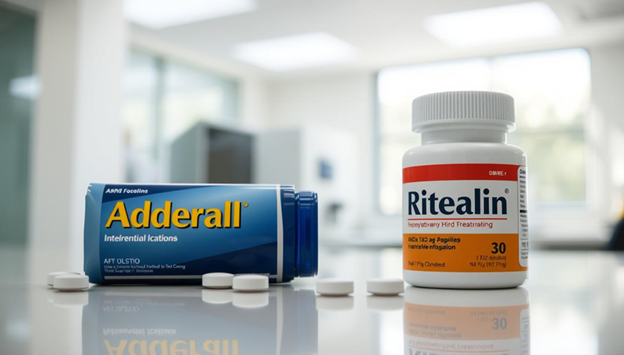
Adderall vs Ritalin: Choosing the Right ADHD Med
When it comes to managing hyperactivity disorder , selecting the right ADHD medication can feel overwhelming. With options like Adderall and Ritalin, patients and caregivers must weigh factors such as effectiveness, side effects, and duration of action. Both medications are stimulants, which are known to help symptoms ADHD in about 70-80% of cases.
In the United States, ADHD is a common condition, affecting 8.8% of children ADHD. Many of these children continue to experience symptoms into adulthood. This makes it crucial to work closely with a healthcare provider to create a personalized treatment plan. Factors like cost and insurance coverage also play a role in the decision-making process.
Understanding the differences between these medications can help patients make informed choices. Whether it's the active ingredients or the potential side effects, every detail matters. Consulting a medical professional ensures the best possible outcome for managing ADHD.
Understanding ADHD and the Role of Medication
ADHD, or attention deficit hyperactivity disorder , is a condition that impacts millions of lives. It's a neurodevelopmental disorder that affects focus, behavior regulation, and impulse control. Common symptoms include trouble concentrating, fidgeting, and difficulty managing daily tasks.
According to the CDC, 8.8% of U.S. children aged 3-17 are diagnosed with ADHD. What's more, 60% of these cases persist into adulthood, making it a lifelong challenge for many. This highlights the importance of early diagnosis and effective management strategies.
What is ADHD?
ADHD is more than just difficulty focusing---it's a complex condition that affects how the brain processes information. It can lead to challenges in school, work, and relationships. For adults, it often manifests as difficulty staying organized or managing time effectively.
How Do Medications Help Manage ADHD?
Medications for ADHD, particularly stimulants, work by increasing the availability of neurotransmitters like norepinephrine and dopamine in the brain. This helps improve focus, reduce impulsivity, and enhance overall behavior regulation.
These medications are often part of a comprehensive treatment plan that includes behavioral therapy. Immediate-release formulations provide quick relief, while extended-release options offer longer-lasting effects, making daily management more manageable.
"Medication can be a game-changer for those with ADHD, but it's most effective when combined with other therapies."
Understanding ADHD and the role of medication is crucial for creating a personalized treatment plan. Working with a healthcare provider ensures the best possible outcomes for managing this condition.
Adderall vs Ritalin: Key Differences
Both medications play a significant role in ADHD treatment, but their mechanisms and effects vary. Understanding these differences can help patients and caregivers make informed decisions about which option might work best for their needs.
Active Ingredients
The primary active ingredient in Ritalin is methylphenidate hydrochloride , while Adderall contains a combination of amphetamine and dextroamphetamine salts . These compounds belong to the class of stimulants, which are known to improve focus and reduce impulsivity.
How They Work in the Brain
Both drugs increase the levels of dopamine and norepinephrine in the brain. However, they do so through different mechanisms. Methylphenidate primarily blocks the reuptake of these neurotransmitters, while amphetamine compounds stimulate their release.
Duration of Effectiveness
The duration of action varies significantly between the two medications. Ritalin's immediate-release form peaks in about 2 hours, while its long-acting version lasts up to 5 hours. In contrast, Adderall's immediate-release form peaks in 3 hours, and its extended-release version can last up to 7 hours.
|----------------|----------------------------|-------------------------------| | Medication | Immediate-Release Peak | Extended-Release Duration | | Ritalin | 2 hours | 5 hours | | Adderall | 3 hours | 7 hours |
These differences in duration can influence dosing schedules. Ritalin often requires multiple doses per day, while Adderall's extended-release form may only need to be taken once daily. Patients should discuss these options with their healthcare provider to determine the best fit for their lifestyle.
Effectiveness in Treating ADHD
Evaluating the effectiveness of ADHD medications is essential for optimal treatment. Both stimulants have shown promising results in managing ADHD symptoms, but their performance can vary based on individual needs and responses.
Adderall's Effectiveness
Clinical studies indicate that about 70-80% of patients respond positively to stimulant medications. In a recent ADDitude survey, 38.9% of adults rated Adderall as "extremely effective" in managing their symptoms. Its extended-release formula provides symptom control for up to 8 hours, making it a popular choice for those needing longer-lasting relief.
Ritalin's Effectiveness
Ritalin, with its active ingredient methylphenidate, also boasts a 70-80% response rate in clinical trials. According to the same survey, 40.77% of adults found it "extremely effective." Its immediate-release form peaks in about 2 hours, while the extended-release version lasts up to 6 hours, offering flexibility in dosing schedules.
Comparing Response Rates
Both medications demonstrate similar response rates, but individual preferences and lifestyles often influence the choice. Dr. Dodson's research highlights that the response rates between these drug classes are nearly identical. For non-responders, dosage adjustments or combining therapies can improve outcomes.
- Adderall's extended-release form lasts 6-8 hours, ideal for full-day symptom control.
- Ritalin's immediate-release form peaks in 2 hours, suitable for shorter-term needs.
- Both medications require careful monitoring to optimize dosage and minimize side effects.
Ultimately, the choice between these medications depends on individual needs and how well they treat ADHD symptoms. Consulting a healthcare provider ensures the best fit for each patient.
Side Effects of Adderall and Ritalin
Managing ADHD often involves navigating potential side effects of stimulant medications. While these treatments can be highly effective, understanding their impact is essential for making informed decisions. Both common and rare side effects should be considered when choosing the right medication.
Common Side Effects
Many patients experience mild to moderate side effects when using stimulant medications. These can include:
- Loss of appetite, which may lead to weight loss in some individuals.
- Insomnia or difficulty falling asleep, especially if taken later in the day.
- Irritability, reported by 43.79% of patients using one medication and 36.18% with another.
- Headaches, nausea, and dry mouth.
- Increased heart rate or mild changes in blood pressure.
These effects are often temporary and can be managed with adjustments in dosage or timing.
Serious Side Effects
While rare, some individuals may experience more severe reactions. These include:
- Cardiovascular risks, such as a 25% increase in blood pressure or Raynaud's phenomenon.
- Psychosis or hallucinations, particularly in patients with a history of mental health conditions.
- Cardiac arrhythmias, which require immediate medical attention.
Patients should report any unusual symptoms to their healthcare provider promptly.
Long-Term Considerations
For children, prolonged use of stimulant medications may lead to growth suppression. Regular monitoring of height and weight is recommended to ensure healthy development. Adults should also be aware of potential long-term effects on the heart and overall health.
"Balancing the benefits and risks of ADHD medications is key to effective treatment."
By working closely with a healthcare provider, patients can manage side effects and optimize their treatment plan. Regular check-ups and open communication ensure the best possible outcomes for those managing ADHD.
Cost and Insurance Coverage
Navigating the financial aspects of ADHD treatment can be a critical step in finding the right medication . Understanding the cost and insurance coverage options helps patients and caregivers make informed decisions. Factors like generic vs brand-name pricing and potential shortages can significantly impact accessibility.
Generic vs Brand-Name Costs
Generic versions of ADHD drugs are often more affordable, costing 30-80% less than their brand-name counterparts. For example, the average retail price for a brand-name medication might be $200, while its generic version could be as low as $40. This makes generics a practical choice for many patients.
However, some individuals may prefer brand-name options due to perceived differences in effectiveness or tolerability. It's essential to discuss these preferences with a healthcare provider to balance cost and treatment goals.
Insurance Considerations
Most insurance plans prioritize coverage for generic medications. Brand-name drugs often require prior authorization, which involves additional paperwork and approval from the insurer. Patients should verify their plan's formulary to understand coverage details and potential out-of-pocket expenses.
Tools like GoodRx can help compare prices across pharmacies, revealing regional variations in cost. This ensures patients find the most affordable options available in their area.
Availability and Shortages
In 2023, shortages of ADHD medications were reported, affecting both generic and brand-name options. These shortages can disrupt treatment plans, making it crucial to plan ahead. Patients can work with their pharmacists to explore alternative formulations or pharmacies with available stock.
Staying informed about potential shortages and having a backup plan ensures uninterrupted access to necessary medication. Open communication with healthcare providers is key to navigating these challenges effectively.
"Understanding your insurance coverage and exploring cost-saving options can make ADHD treatment more accessible and manageable."
Choosing Between Adderall and Ritalin
Deciding on the right ADHD medication involves careful consideration of multiple factors. Age, lifestyle, and existing health conditions all play a role in determining the best fit. A personalized approach ensures the treatment aligns with individual needs and goals.
Factors to Consider
When selecting a medication, several key factors should guide the decision. These include:
- Age: Children, adults, and seniors may respond differently to medications.
- Comorbidities: Conditions like anxiety or heart issues can influence treatment choices.
- Lifestyle Needs: Daily routines and work schedules may affect dosing preferences.
- Response to Treatment: Up to 30% of patients may need to switch stimulant classes for better results.
- Cardiac Health: Screening for heart conditions is essential before starting treatment.
Personalized Treatment Plans
Every individual's journey with ADHD is unique. A personalized treatment plan often includes:
- Starting with a low dose and gradually increasing it to minimize side effects.
- Monitoring progress and adjusting the dosage as needed.
- Combining medication with behavioral therapy for comprehensive care.
Case studies show that patients who switch medications under medical supervision often experience improved symptom control. Dr. Westphalen recommends a tapering process when transitioning between treatments to ensure safety and effectiveness.
Consulting with Your Doctor
Working closely with a healthcare provider is crucial for successful treatment. Doctors can help:
- Evaluate individual needs and recommend the most suitable medication.
- Monitor for side effects and adjust the treatment plan accordingly.
- Provide guidance on managing potential challenges, such as medication shortages.
"A collaborative approach between patients and doctors leads to the best outcomes in ADHD management."
|----------|----------------------------------| | Step | Action | | 1 | Initial evaluation and diagnosis | | 2 | Start with a low dose | | 3 | Monitor and adjust dosage | | 4 | Combine with behavioral therapy |
By considering these factors and working with a trusted healthcare provider, patients can find the right medication to manage their ADHD effectively. Open communication and regular check-ups ensure the treatment remains aligned with their evolving needs.
Special Considerations for Different Age Groups
Treating ADHD effectively requires tailoring medication to specific age groups. Each stage of life brings unique challenges and needs, making it essential to adjust treatment plans accordingly. From children to the elderly, understanding these differences ensures better outcomes.
Children and Adolescents
For children and adolescents, ADHD treatment focuses on managing symptoms while supporting healthy development. Pediatric dosing varies, with Ritalin LA capped at 60mg and Adderall XR at 30mg. Growth monitoring is crucial, as some medications may lead to weight loss---up to 25% in certain cases.
Regular check-ups help track physical and behavioral progress. Parents and caregivers should work closely with healthcare providers to ensure the dosage is appropriate and side effects are minimized.
Adults with ADHD
Adults with ADHD often face challenges in workplace performance and managing comorbid conditions. Treatment plans may include medication combined with behavioral therapy to address these issues. Adults typically require higher doses, but adjustments are made based on individual responses.
Managing ADHD in adulthood also involves addressing lifestyle factors like stress and sleep patterns. Open communication with healthcare providers ensures the treatment remains effective and aligned with personal goals.
Elderly Patients
For the elderly, ADHD treatment requires extra caution due to potential drug interactions and reduced drug clearance. Blood pressure monitoring is essential, as stimulants can affect cardiovascular health. Polypharmacy, or the use of multiple medications, is a common concern in this age group.
Geriatric patients should start with lower doses and be closely monitored for side effects. Tailoring treatment to their unique needs helps maintain safety and effectiveness.
|---------------|----------------------------|------------------------------------------| | Age Group | FDA-Approved Age Range | Typical Dosage | | Children | 6-17 years | Ritalin LA: 20-60mg, Adderall XR: 5-30mg | | Adults | 18+ years | Ritalin LA: 20-60mg, Adderall XR: 5-30mg | | Elderly | 65+ years | Lower initial doses, adjusted as needed |
By considering age-specific factors, healthcare providers can create personalized treatment plans that address the unique needs of each patient. Regular monitoring and open communication ensure the best possible outcomes for managing ADHD across all stages of life.
Conclusion
Choosing the right ADHD medication involves balancing multiple factors. Both options show comparable efficacy, but individual needs vary. Key considerations include duration of action, side effect profiles, and cost. These factors help determine the best fit for each patient.
Medical supervision is essential for dosage adjustments and monitoring. Emerging research highlights potential long-term cardiovascular impacts, making regular check-ups crucial. Combining medication with behavioral therapy often yields the best results.
Ultimately, consulting a doctor ensures a personalized treatment plan. Open communication and regular follow-ups help manage ADHD effectively, improving quality of life for patients of all ages.
FAQ
What is ADHD?
ADHD, or Attention-Deficit Hyperactivity Disorder, is a neurodevelopmental condition. It affects focus, impulse control, and activity levels in both children and adults.
How do medications help manage ADHD?
Medications like stimulants work by balancing brain chemicals. They improve focus, reduce impulsivity, and help manage hyperactivity in people with ADHD.
What are the active ingredients in these medications?
The active ingredient in Ritalin is methylphenidate, while Adderall contains amphetamine salts. Both are stimulants but work differently in the brain.
How long do these medications last?
Ritalin typically lasts 3-4 hours, while Adderall can last 4-6 hours. Extended-release versions of both are available for longer effects.
Are there common side effects to watch for?
Yes, common side effects include trouble sleeping, loss of appetite, and headaches. Serious side effects, like heart issues, are rare but possible.
How do I choose between these medications?
The choice depends on individual needs, side effects, and response. A doctor can help create a personalized treatment plan.
Are these medications safe for children?
Yes, both are FDA-approved for children with ADHD. However, dosages and monitoring are tailored to each child's needs.
Do insurance plans cover these medications?
Most insurance plans cover both generic and brand-name versions. Coverage details vary, so it's best to check with your provider.
Can adults with ADHD take these medications?
Absolutely. Both medications are effective for adults. A healthcare provider can adjust the dosage for optimal results.